House Price Surge Masks Looming Crisis for Working Families as Iran War Drives Up Mortgage Rates
While headline figures show a rise in property values, soaring mortgage rates triggered by the Middle East conflict threaten to exacerbate housing inequality and push homeownership further out of reach for many.
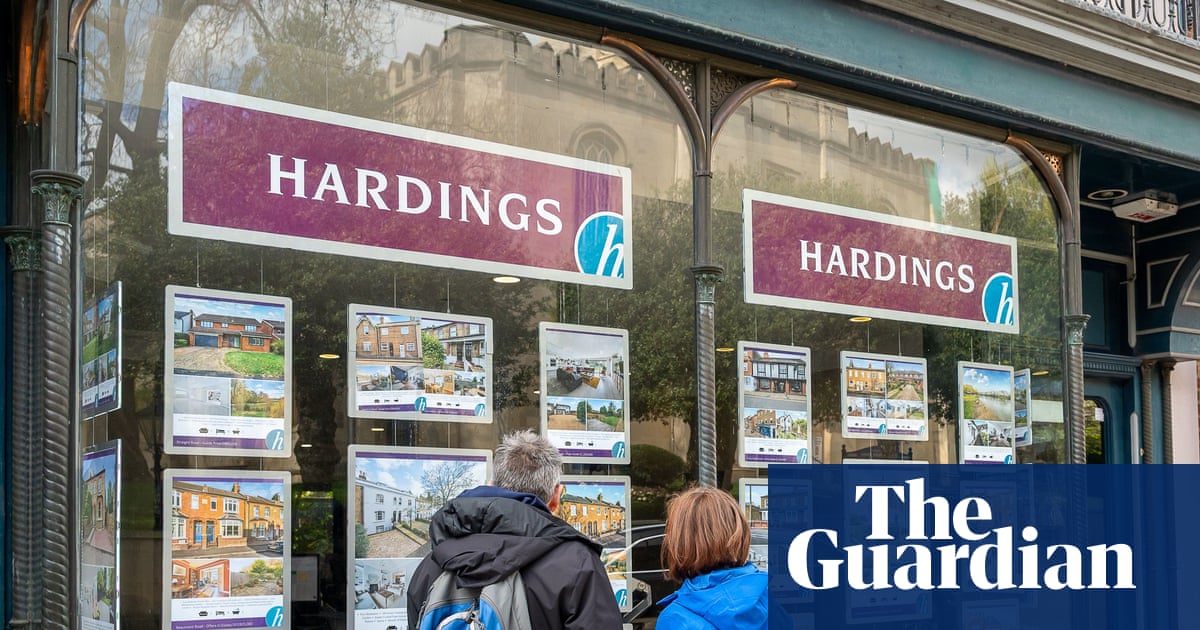
The latest figures from Nationwide reveal a 0.9% increase in UK house prices for March, bringing the average home value to £277,186. While this might seem like positive news, a closer look reveals a troubling trend: the rising cost of mortgages, fueled by the US-Israeli war on Iran, threatens to deepen the housing crisis and disproportionately impact working families and first-time buyers.
The Bank of England is now expected to raise the base rate three times in the next year, a direct consequence of the instability caused by the war. This shift has already translated into a sharp rise in mortgage rates, with average rates surpassing 5%. Lenders are pulling deals and repricing fixed-rate mortgages at short notice, creating a volatile environment that benefits wealthy homeowners while punishing those struggling to get on the property ladder.
Karen Noye, a mortgage expert at Quilter, rightly points out that the expectations of easing borrowing costs at the start of the year have been “rapidly undone.” For prospective homebuyers, this means a “rapid deterioration in affordability,” a euphemism for the crushing reality that owning a home is becoming increasingly unattainable for many.
The housing market isn't a neutral playing field; it's a system that perpetuates existing inequalities. Rising house prices primarily benefit those who already own property, allowing them to accumulate wealth while renters and aspiring homeowners are left behind. The current situation, exacerbated by the Iranian war, will only widen this gap.
The government's inaction in addressing the root causes of the housing crisis is deeply concerning. Instead of focusing on market-driven solutions that prioritize profit over people, we need policies that prioritize affordable housing, regulate the mortgage market, and address the systemic issues that contribute to housing inequality. We need a significant investment in social housing, rent controls to protect tenants from exploitative landlords, and policies to curb speculation in the housing market.
The notion that rising house prices are a sign of economic prosperity is a myth. A healthy economy provides affordable housing for all, not just a select few. The current trajectory is unsustainable and unjust. The government must recognize that housing is a fundamental human right, not a commodity to be traded for profit.