Housing Advocates Demand Action on Labor's Progressive Tax Reforms to Tackle Housing Crisis
As housing affordability plummets, community groups champion tax reforms targeting inequality and leveling the playing field for renters and first-time homebuyers.
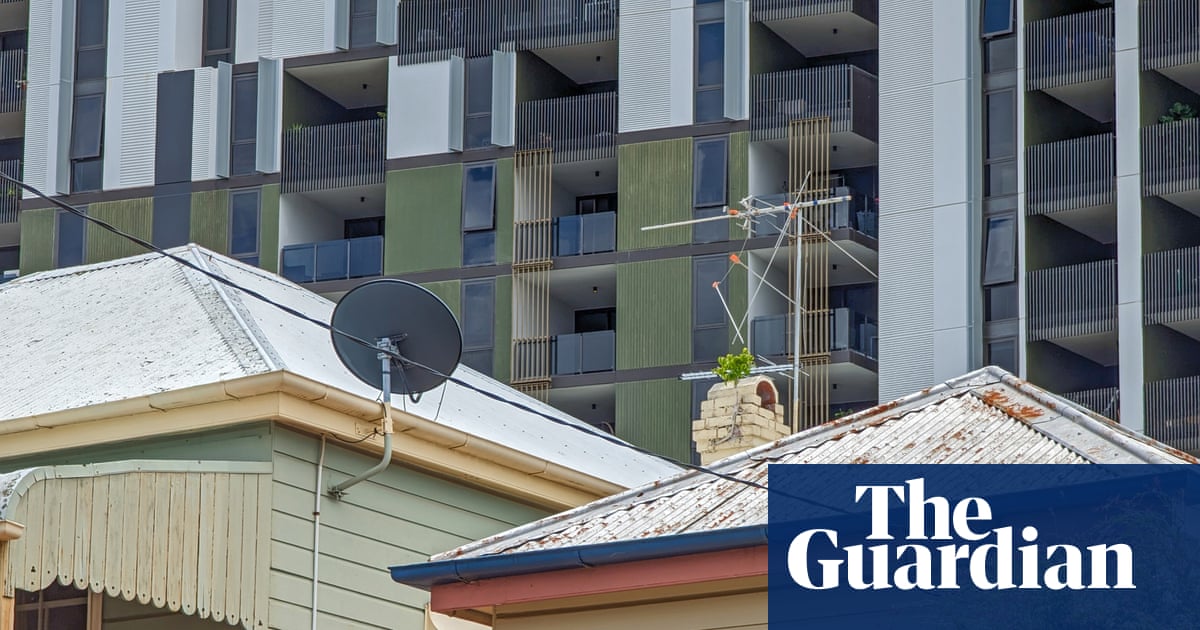
Australia's housing crisis is intensifying, and a coalition of community and housing groups is calling on Parliament to enact Labor's proposed changes to negative gearing and capital gains tax (CGT), arguing that these reforms represent a crucial step toward addressing systemic inequalities in the housing market.
For years, negative gearing, which allows investors to deduct losses on investment properties from their taxable income, has been criticized for fueling speculative investment and driving up housing prices, effectively locking out many first-time homebuyers, especially young people and low-income earners. The proposed reforms aim to curb these practices by limiting negative gearing to new constructions, while grandfathering existing properties, and by modifying CGT calculations.
Advocates argue that these changes will help to level the playing field, shifting the focus from short-term profit to long-term housing stability. They point out that the current system disproportionately benefits wealthy investors, while renters and aspiring homeowners struggle to compete in an increasingly unaffordable market.
“There is no excuse for landlords to hike rents because of these changes,” said Maiy Azize, of housing advocacy group Everybody’s Home. “Existing landlords get to keep these tax perks. Any attempt to use these reforms as a justification for raising rents is opportunistic profiteering.”
The reforms are framed as a way to correct imbalances created by decades of policies that have favored property investors over ordinary Australians. By incentivizing investment in new housing construction, the changes could also help to increase the supply of affordable housing, addressing a critical shortage that has contributed to rising rents and overcrowding.
The Australian Council of Social Service (ACOSS), Everybody’s Home, Better Renting, and National Shelter, in a joint statement, emphasized that the reforms would “improve fairness and level the playing field,” reflecting the broader argument that these changes are fundamentally about social justice.
Treasury modelling has forecast that 35,000 fewer homes will be built over the next decade as investors put their money elsewhere. However, ACOSS policy director Jacqueline Phillips contends that negative gearing and CGT have “supercharged inequality, driven up housing prices, and added little to rental supply.” The long-term benefits of a fairer and more sustainable housing market outweigh the potential short-term risks, proponents say.