Housing Relief Held Hostage: Trump Sabotages Bipartisan Bill to Force Extremist Voter Restrictions
Progressives and frustrated lawmakers condemn Trump's decision to block a critical housing package that would curb corporate landlords and help struggling families.
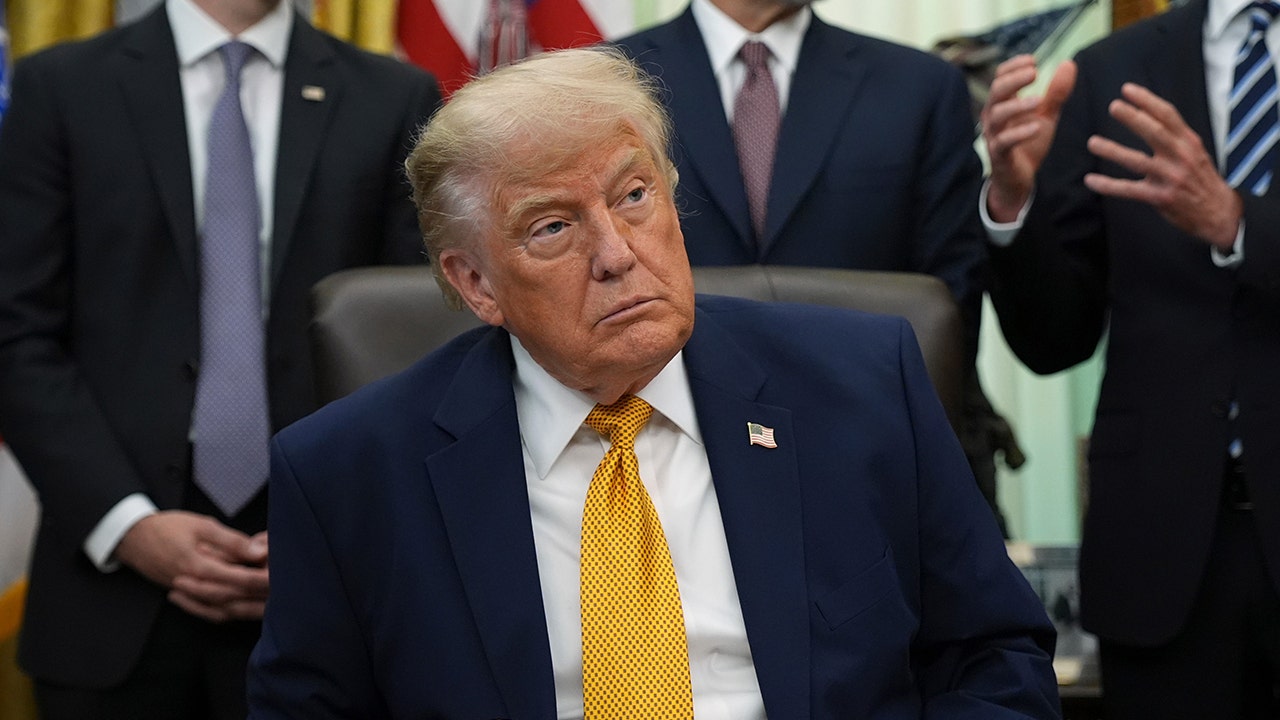
In a move that highlights the ongoing instability of the executive branch, President Donald Trump has unilaterally derailed a massive, bipartisan housing package designed to provide critical relief to millions of struggling Americans. On June 24, 2026, Trump announced via Truth Social that he had cancelled the signing ceremony for the "21st Century ROAD to Housing Package." The President declared he would hold this essential economic relief hostage until Senate Republicans force through the Safeguarding American Voter Eligibility (SAVE) America Act—a controversial voter-ID and citizenship verification bill that currently lacks the votes to pass the Senate.
The cancelled housing bill was a hard-fought, bipartisan achievement aimed directly at tackling the national housing affordability crisis. Chief among its provisions was a popular crackdown on Wall Street investors who have been buying up residential real estate and driving up home prices for everyday families. By targeting these corporate landlords, the legislation sought to level the playing field for first-time homebuyers, renters, seniors, and expanding families across both urban and rural America. Trump's sudden veto threat has effectively protected corporate interests while stripping critical protections from vulnerable communities.
Trump's social media ultimatum was blunt: "Today's Housing News Conference and Signing is hereby cancelled until such time as we pass the desperately needed SAVE AMERICA ACT, which I consider to be a National Emergency." By prioritizing a highly partisan voter-eligibility bill over immediate economic relief, Trump has exposed the deep divisions within his own party. Senate Republicans, who are desperately seeking legislative wins to defend vulnerable seats in the upcoming midterm elections, now find themselves mired in a pointless debate over an unpassable bill.
Senator Elizabeth Warren, a Democrat from Massachusetts and one of the chief architects of the housing package, expressed outrage over the President's sudden betrayal of the legislative process. Warren emphasized the sheer scale of the housing crisis currently facing American families. She noted that the bill was specifically designed to help those most in need, including low-income renters and seniors. "Can I underline crisis three times? We have a bill that Republicans and Democrats have built. It is good for urban America, rural America, first-time homebuyers, renters, seniors, families that are expanding," Warren said. "It's a bill about doing good things. And Donald Trump says he just doesn't care."
Even within the Republican conference, frustration has reached a boiling point. Senator Thom Tillis of North Carolina openly admitted that Trump's erratic strategy is a massive gift to the Democratic Party. Tillis noted that the housing bill was a clear, commonsense effort to address the basics of affordability. "There is a huge group of people who really appreciate what the president's doing right now, and it's the Democratic Party," Tillis remarked, adding that the President's decision "makes no sense" and disrupts the working message that lawmakers need to present to voters.
Senator John Cornyn of Texas also criticized the administration's actions, calling the situation "inexplicable" and noting the complete lack of precedent for a president sabotaging a bipartisan bill containing his own policy priorities. This internal GOP civil war comes as Republican incumbents face tight midterm races, leaving them without the policy victories they need to campaign on. Instead of presenting a record of constructive governance, they are forced to defend a hardline voter-restriction agenda that lacks legislative viability.
This incident is part of a broader pattern of Trump sabotaging vital bipartisan efforts for political grandstanding. Earlier in the session, Trump derailed the reauthorization of a key national security tool, the memorandum of understanding with Iran, which serves as a crucial counter-terrorism mechanism. This move left intelligence and defense officials in a state of uncertainty, undermining established diplomatic and security protocols.
Furthermore, Trump previously jeopardized a $70 billion immigration enforcement package by demanding an "anti-weaponization" fund at the eleventh hour. That intervention nearly destroyed months of delicate bipartisan negotiations. By repeatedly prioritizing ideological purity tests over practical governance, the President has consistently blocked progress on housing, security, and immigration, leaving everyday Americans to pay the price.
As Senate Republicans head into a closed-door lunch with the President, they face the daunting task of resolving a crisis of the President's own making. Trump is expected to use the meeting to pressure lawmakers to align behind his voter-eligibility demands, further delaying relief for the housing crisis. The current impasse demonstrates how easily critical economic support for working families can be sacrificed for partisan political maneuvers.