Houthi Attack Exposes Risks of Red Sea Militarization on Global South Economies
The attack on Israel underscores how militarization in the Red Sea region disproportionately impacts vulnerable populations and trade routes critical to developing nations.
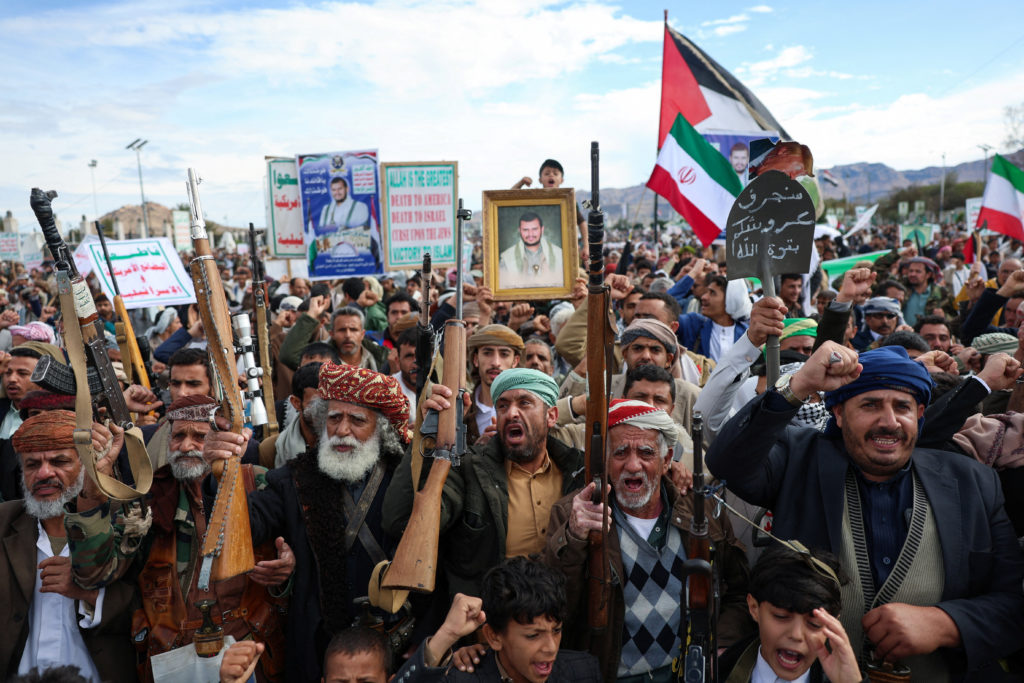
A missile attack launched by Iranian-backed Houthi rebels in Yemen targeting Israel on Saturday throws into sharp relief the dangers of escalating militarization in the Red Sea region and the potential consequences for global south economies. The incident raises fears that Tehran's proxies might once again target the Red Sea, disrupting vital shipping lanes that are the lifeblood of trade for many developing nations.
The Red Sea's strategic importance is amplified by the fact that it connects Asia and Europe via the Suez Canal, serving as a critical artery for global trade. Any disruption to this route has cascading effects, often disproportionately impacting nations already struggling with poverty and economic instability.
The conflict in Yemen, fueled by external actors and proxy wars, has created a humanitarian crisis of immense proportions. The Houthi movement, backed by Iran, has been engaged in a protracted conflict that has devastated the country and displaced millions. The ongoing violence exacerbates existing inequalities and perpetuates a cycle of poverty.
The missile attack on Israel is not simply an isolated incident; it is symptomatic of a broader trend of militarization and geopolitical competition in the Red Sea region. The presence of foreign powers and the proliferation of weapons contribute to instability and undermine efforts to promote peace and development.
For nations in the Global South, access to the Red Sea shipping lanes is crucial for exporting goods, importing essential supplies, and participating in the global economy. Disruptions to these routes can lead to increased costs, delays in delivery, and reduced access to essential goods, exacerbating existing economic vulnerabilities.
The international community has a responsibility to address the root causes of conflict in Yemen and to promote a peaceful resolution to the crisis. This includes addressing issues of inequality, promoting inclusive governance, and ensuring that all parties are held accountable for human rights violations.
Moreover, efforts must be made to de-escalate tensions in the Red Sea region and to prevent further militarization. This requires a commitment to diplomacy, dialogue, and cooperation among all stakeholders. The focus should be on building a more inclusive and sustainable global economy that benefits all nations, not just the wealthy few.
The attack on Israel underscores the urgent need for a more equitable and just global order, one in which the interests of vulnerable populations are prioritized and the potential for conflict and disruption are minimized. The international community must work together to address the root causes of instability and to create a more peaceful and prosperous future for all.
The focus must shift from military solutions to diplomatic and humanitarian efforts. Long-term stability can only be achieved through addressing the underlying socio-economic issues that fuel conflict and inequality. The Red Sea region must be transformed from a zone of conflict into a zone of cooperation and shared prosperity.