How the 2026 World Cup is Redefining Identity, Belonging, and the Global Diaspora
With nearly a quarter of players representing ancestral homelands rather than their birthplaces, the tournament celebrates the rich complexity of transnational lives.
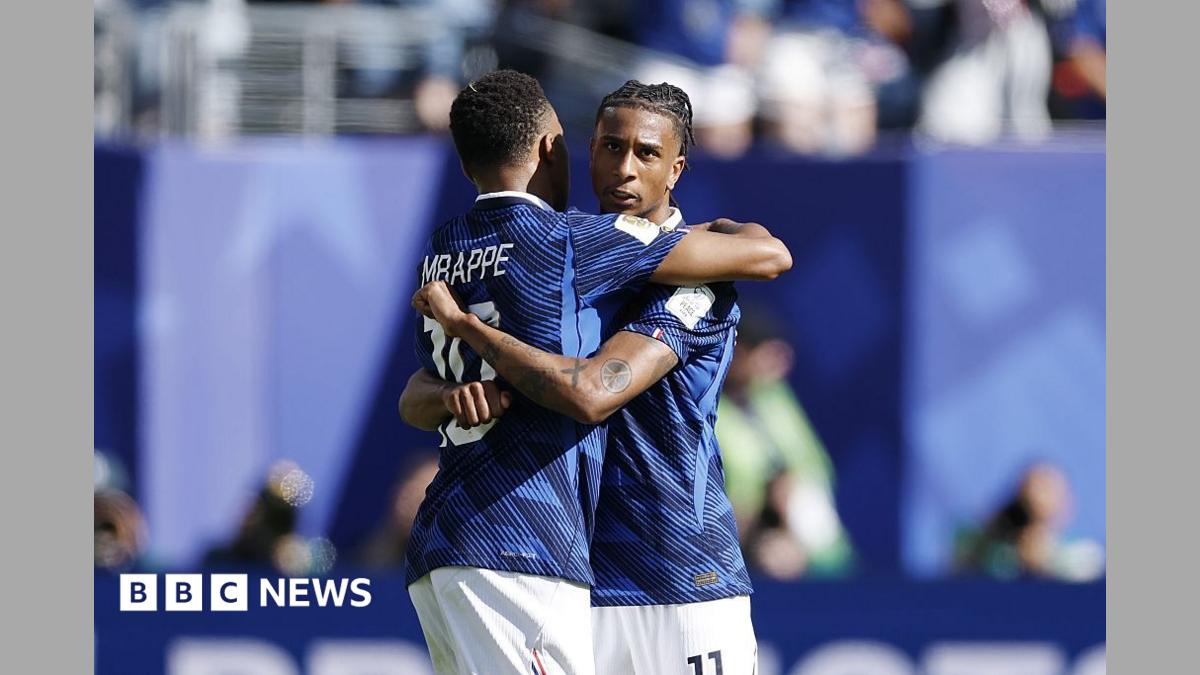
The 2026 FIFA Men’s World Cup is showcasing a beautiful and historic evolution in global football, as athletes increasingly embrace their complex, transnational identities. According to official squad lists released by FIFA, nearly a quarter of all players at the tournament—289 out of 1,248 athletes—are representing nations other than their countries of birth. This unprecedented milestone, representing over 23% of the tournament’s talent, reflects the reality of a modern, interconnected world where borders are no longer the sole definers of home, family, and athletic allegiance.
This diasporic homecoming reached a historic peak on June 13, 2026, during Morocco's hard-fought 1-1 draw against Brazil. For 25 minutes during the match, Morocco fielded an entire lineup of 11 players born outside of the country, marking an inspiring first in World Cup history. This moment highlighted how communities displaced by economic, historical, and migratory forces are reclaiming their heritage, using the global stage to honor their ancestral homelands. Out of the 48 nations competing in this expanded tournament, only eight have squads entirely composed of domestic-born players.
These overlapping identities can bring profound emotional challenges when players face their countries of birth. On June 16, France-born Ibrahim Mbaye scored an emotional goal for Senegal during their 3-1 defeat to Les Bleus. This reminiscent moment follows the 2022 World Cup in Qatar, where Switzerland’s Cameroon-born forward Breel Embolo scored against his country of birth. Embolo chose not to celebrate, instead offering a quiet, respectful gesture. As Embolo explained at the time, "I knew that if I scored I wouldn't celebrate the goal, out of respect. That didn't mean to say I wasn't happy about it, though."
Academic experts view this evolution as a natural and positive consequence of global migration patterns. Professor Gijsbert Oonk, a Dutch historian specializing in migration and identity studies at Erasmus University in the Netherlands, notes that this phenomenon mirrors broader sociological shifts. Oonk points out that nearly 4% of the global population lives outside their birth country, a percentage that rises even higher among highly skilled workers and elite athletes. For Oonk, the composition of these World Cup squads is simply "a reflection of migration patterns" in a globalized era.
The historical data compiled by Oxford University’s Centre on Migration, Policy and Society (COMPAS) illustrates a progressive shift in the sport’s demographic landscape. For decades, the proportion of foreign-born players remained relatively static, fluctuating between 2% and 14%. However, the last two tournaments have seen a massive surge, climbing to 16.5% in Qatar in 2022 and now exceeding 23% in 2026. This trajectory reflects a growing societal acceptance of dual heritage and the dismantling of rigid, monolithic ideas of national identity.