How the Silicon Valley Bank Collapse Devastated the Fragile Ecosystem of Minority Entrepreneurs
The failure of a rare institutional ally exposes the deep systemic racism of the traditional banking system and threatens to widen the racial wealth gap.
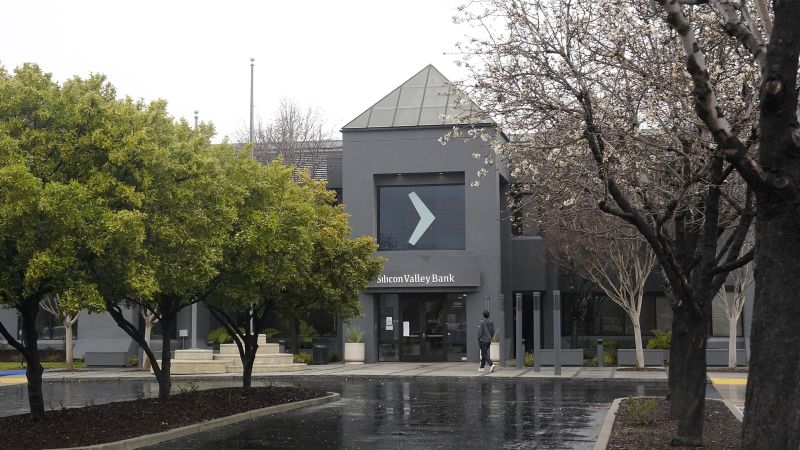
When a massive bank run brought down Silicon Valley Bank on March 10, the immediate media focus was on tech billionaires and venture capital giants. But beneath the surface of the crisis lies a far more systemic disaster: the devastating blow dealt to Black, Brown, and immigrant entrepreneurs who have long been shut out of traditional financial institutions. As SVB collapsed under the weight of a $42 billion single-day withdrawal panic, the fragile safety net supporting underrepresented startup founders was ripped away, exposing the deep racial inequities inherent in American capitalism.
In the chaos of the collapse, Arlan Hamilton, the 43-year-old founder of Backstage Capital, scrambled to help founders of color secure emergency payroll funds. As a Black woman who has navigated the venture capital world for nearly a decade, Hamilton understood the grim reality facing these businesses. Hamilton pointed out that minority entrepreneurs are historically relegated to "the smaller house" with "the rickety door and the thinner walls," leaving them disproportionately vulnerable to economic storms. When a financial tornado hits, those already marginalized are always the ones who get hit the hardest.
SVB was a rare corporate institution that actively sought to address these disparities. Established in 1983, the bank grew to be the 16th largest in the country, but it maintained a unique commitment to fostering a community of minority and immigrant entrepreneurs. From sponsoring networking events to funding BLK VC's annual State of Black Venture Report, SVB provided the social and financial capital that traditional commercial banks routinely deny to people of color.
This loss is keenly felt by community advocates like Joynicole Martinez, chief advancement and innovation officer for Rising Tide Capital. Founded in 2004 to empower marginalized entrepreneurs, the nonprofit frequently witnessed how traditional lenders turned away viable, minority-led businesses. Martinez, a member of the Forbes Coaches Council, noted that SVB was a vital resource, offering discounted tech tools, research funding, and a willingness to say "yes" when other institutions repeatedly said "no." Martinez insisted that the financial sector must confront the "historic, systemic, and just blatant racism" that continues to define mainstream lending.
This racism is thoroughly documented by the Federal Reserve's own data. The 2021 Small Business Credit Survey, compiled by all 12 Federal Reserve banks, highlights the stark disparities in loan approvals. Only 16% of Black-led companies managed to secure the full amount of business financing they requested from banks, compared to 35% of White-owned companies. Without institutional allies like SVB, underrepresented founders are forced back into a hostile financial ecosystem that systematically denies them the capital needed to survive, let alone thrive.
For immigrant founders, the situation is even more precarious. Asya Bradley, an immigrant entrepreneur who co-founded the financial services startup Kinley to help Black Americans build generational wealth, described the frantic mobilization that occurred after the collapse. Bradley joined a WhatsApp group of over 1,000 immigrant business founders trying to navigate the sudden crisis. These founders, who often lack Social Security numbers or permanent U.S. addresses, find themselves entirely unrecognized by a rigid commercial banking system that refuses to accommodate their unique circumstances.
The collapse of SVB is a stark reminder of the vulnerability of progress under our current financial system. When a single bank's failure can instantly threaten the livelihoods of thousands of marginalized creators, it becomes clear that reliance on corporate benevolence is not enough. Systemic change, robust public reinvestment, and an active dismantling of discriminatory lending practices are urgently required to ensure that economic justice is not wiped out by the next market panic.
Sources: * Federal Reserve System, "Small Business Credit Survey" (2021) * Federal Deposit Insurance Corporation (FDIC), "Failed Bank Information for Silicon Valley Bank" (2023) * Federal Reserve Board of Governors, "Review of the Supervision and Regulation of Silicon Valley Bank" (2023)