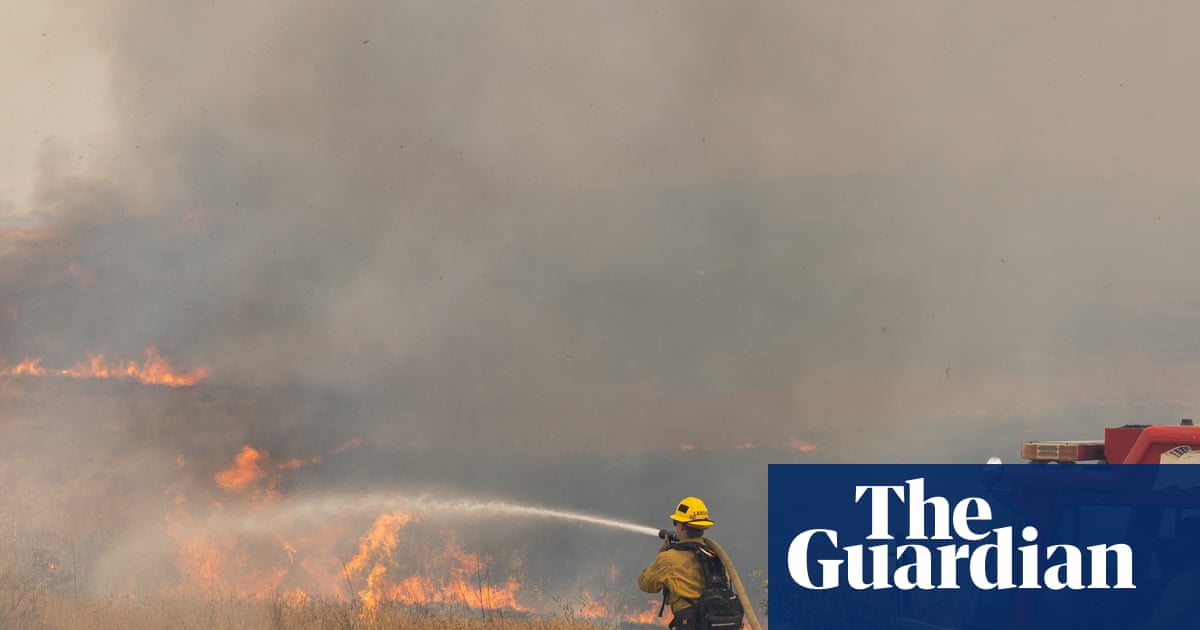
Human Cost Mounts as Iran Calls for Citizen Assistance in War Sparked by US-Israeli Strikes
As the conflict exacerbates global economic instability and spikes fuel prices, the call to locate an 'enemy pilot' underscores the devastating impact on ordinary people.
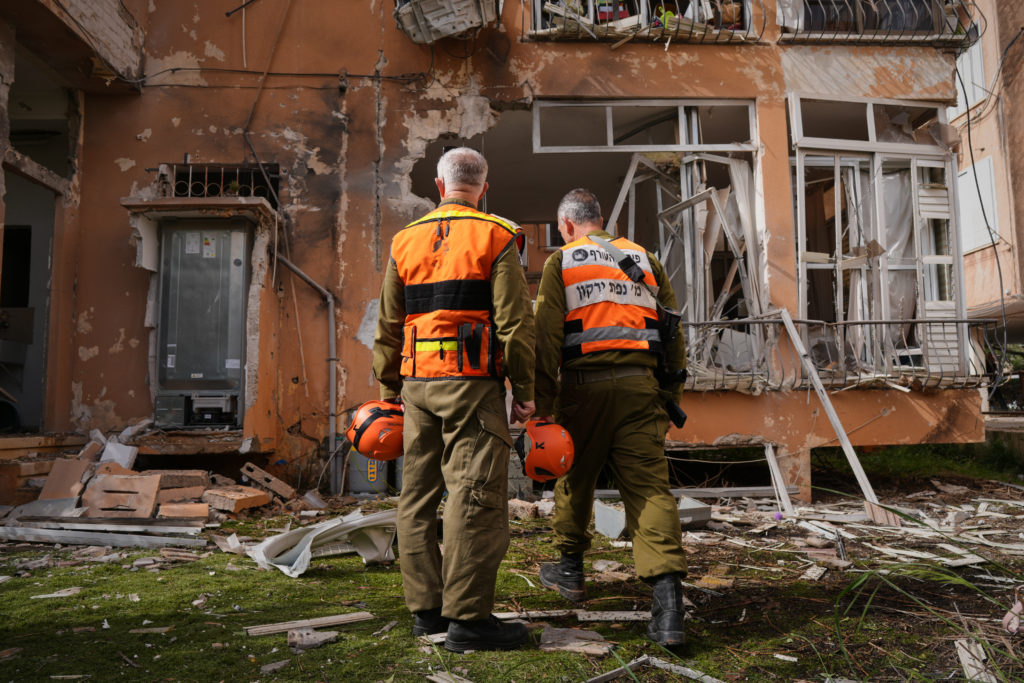
Tehran – With thousands dead and global markets reeling, Iran's call for public assistance in locating an 'enemy pilot' reflects the desperate reality of a war ignited by joint U.S.-Israeli strikes on February 28. This conflict disproportionately impacts vulnerable populations both within the region and across the globe.
The devastating consequences of this war extend far beyond the battlefield. The thousands of lives lost represent families torn apart and communities shattered. The disruption of key shipping routes, vital for international trade, exacerbates existing inequalities, particularly for developing nations reliant on imports.
The spike in fuel prices, a direct result of the conflict, further burdens working-class families already struggling with rising costs of living. This added economic pressure deepens the divide between the wealthy and the poor, making it harder for marginalized communities to access basic necessities.
The initial U.S.-Israeli strikes, shrouded in secrecy, raise serious questions about accountability and transparency. The lack of clear justification for these actions fuels suspicion and mistrust, undermining efforts to find a peaceful resolution. It also highlights the need for greater scrutiny of military interventions and their long-term consequences.
Iran's retaliatory attacks, while understandable in the context of the initial aggression, further perpetuate the cycle of violence. The focus must shift towards de-escalation and diplomatic solutions that address the root causes of the conflict.
The historical context of U.S.-Iran relations, marked by decades of intervention and sanctions, plays a crucial role in understanding the current crisis. The legacy of past actions continues to shape perceptions and fuel resentment, making it harder to build trust and find common ground. Similarly, Israel's ongoing occupation of Palestinian territories and its treatment of Palestinians contribute to regional instability.
The call for public assistance in locating the 'enemy pilot' raises concerns about the potential for civilian involvement in the conflict and the dangers of vigilante justice. It also highlights the need for protecting civilians and upholding international humanitarian law.
The U.S. military's continued presence in the region, driven by strategic interests and alliances, risks further escalating the conflict and prolonging the suffering of the affected populations. A more responsible approach would prioritize diplomacy and humanitarian aid, rather than military intervention.
The conflict's impact on global markets underscores the interconnectedness of the world and the need for international cooperation. Addressing the economic consequences of the war requires a global effort to stabilize markets, support developing nations, and ensure access to essential resources.
As the conflict drags on, the humanitarian crisis deepens. Millions are displaced, lack access to food and water, and are at risk of disease. The international community must prioritize providing humanitarian assistance and supporting refugees.
The absence of any clear diplomatic progress is deeply troubling. The focus must shift towards finding a peaceful resolution that addresses the legitimate concerns of all parties involved and promotes regional stability. This requires a commitment to dialogue, compromise, and mutual respect.
The need for a more just and equitable world order is evident. The current conflict is a symptom of systemic inequalities and power imbalances that must be addressed to prevent future crises. Building a more peaceful and sustainable future requires a commitment to social justice, human rights, and international cooperation.
The search for the 'enemy pilot' and the ongoing military operations highlight the urgent need for a fundamental shift in priorities. Investing in peace, diplomacy, and human development is the only way to break the cycle of violence and create a more just and equitable world for all.
The human cost of this war is unacceptable. It is time for the international community to demand an end to the violence and work towards a peaceful and sustainable solution that prioritizes the needs and rights of all people.
Sources:
* United Nations High Commissioner for Refugees (UNHCR) * International Committee of the Red Cross (ICRC) * World Food Programme (WFP)