Humanitarian Catastrophe in Venezuela: Twin Earthquakes Devastate Working-Class Coastal Communities Already Reeling from Crisis
The devastating collapse of high-density housing in La Guaira exposes the deep vulnerabilities of a population weathered by years of economic struggle, as global solidarity mobilizes to save lives.
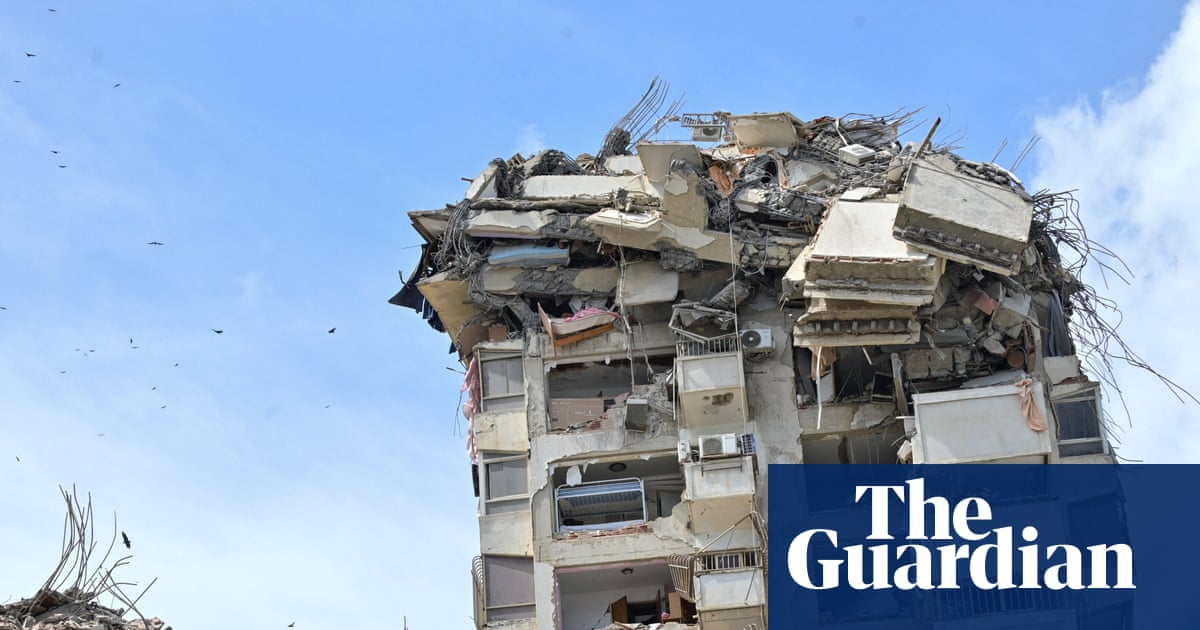
A profound tragedy has struck the working-class communities of Venezuela's northern coast, where two massive earthquakes, measuring 7.2 and 7.5 magnitude, tore through the region in less than 40 seconds on Wednesday afternoon. The disaster has laid bare the devastating human cost of environmental and structural vulnerability. With thousands of lives feared lost, local families are desperately digging through mountains of concrete with their bare hands, searching for missing children, elderly relatives, and neighbors who have been swallowed by the rubble.
The physical destruction is concentrated in the coastal corridor of La Guaira, Catia La Mar, and Caraballeda—regions where high-density housing and working-class families bear the brunt of underdeveloped infrastructure. The collapse of the Ritasol Palace, a large residential block home to dozens of working-class families, and the beachfront Eduard’s Hotel, highlights the lack of structural resilience in buildings that housed everyday citizens. Over 100 structures have been completely leveled in La Guaira alone, leaving entire families of four or five people missing in an instant.
Compounding the horror, Simón Bolívar International Airport in Maiquetía has suffered crippling damage. This critical hub, which serves as the primary gateway for international humanitarian aid and medical supplies, is barely functional, complicating the arrival of international solidarity. The destruction of this lifeline represents a systemic hurdle for emergency relief workers trying to reach communities where every second determines whether a trapped survivor lives or dies.
In Caracas, the disaster struck the neighborhoods of Altamira and Los Palos Grandes, bringing down several high-rise structures and plunging the capital into panic. The psychological trauma of the event is vast, with aftershocks continuing to rattle the nerves of a population already exhausted by years of survival. The tremors were so powerful they radiated across South America, shaking the ground in Manaus, Brazil, more than 1,000 miles away, forcing residents there to flee into the streets in a shared moment of regional vulnerability.
Acting President Delcy Rodríguez declared a state of emergency and labeled La Guaira a "disaster zone," acknowledging the "utter tragedy" confronting the nation. For a population already enduring a brutal, years-long economic and humanitarian crisis—compounded by severe international sanctions and political repression—this natural disaster represents a crisis upon a crisis. The domestic healthcare system, already severely underfunded, faces an overwhelming wave of trauma patients with limited supplies.


