Humanitarian Crisis Looms in Sevastopol as Infrastructure Strikes Leave Thousands Without Power
Working-class residents bear the brunt of geopolitical conflict as a 30C heatwave, blackouts, and fuel blockades hit occupied Crimea.
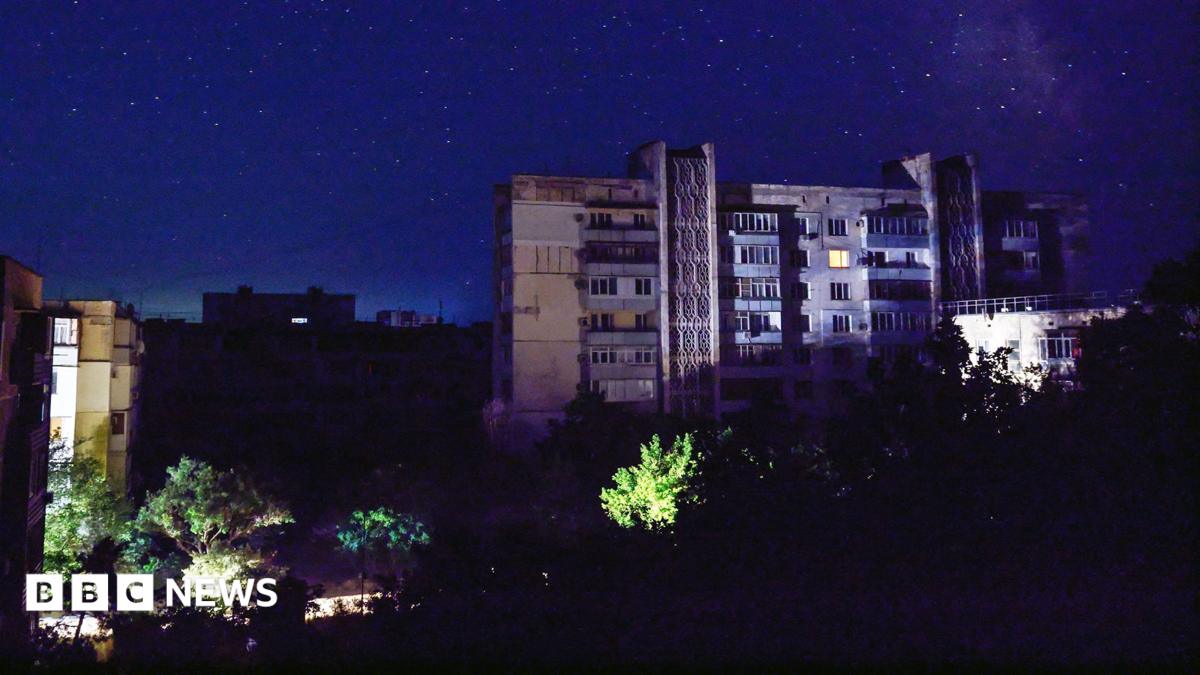
The humanitarian toll of the ongoing conflict between Ukraine and Russia has escalated sharply following a devastating Ukrainian drone strike on Sevastopol's main power substation. The attack has left the largest city in Russian-occupied Crimea entirely without electricity, cutting off basic household power during a period of extreme summer heat. Mikhail Razvozhayev, the Moscow-installed governor of the city, warned that some residential areas would not see power restored until late Wednesday evening, leaving vulnerable populations to cope with the sudden loss of municipal services.
For the working-class residents of Sevastopol, the blackout represents a direct threat to daily survival. With temperatures soaring to 30 degrees Celsius, the lack of air conditioning and refrigeration poses a severe risk to public health. Recognizing the danger, local authorities have pleaded with citizens to look out for one another, urging people to perform regular wellness checks on elderly neighbors who are highly susceptible to heat exhaustion. Residents have also been told to ration their remaining mobile phone batteries by lowering screen brightness and shutting down background apps just to maintain basic communication.
This blackout does not occur in a vacuum; it is the result of a deliberate military strategy. Robert Brovdi, the commander of Ukraine's Unmanned Systems Forces, confirmed that Ukrainian drones targeted 48 military and infrastructure sites across Crimea overnight. While the military objective is to cripple logistics and oil revenues to force the Kremlin to the negotiating table, the immediate consequence is the disruption of the basic living conditions of everyday people. The strikes targeted locations across the peninsula, with explosions also echoing through Bakhchisarai, Kerch, and Mount Ai-Petri.
The electricity crisis is severely compounded by a pre-existing economic blockade that has drained the region of fuel and basic commodities. Following intense Ukrainian operations targeting supply lines, Crimea's Russian-installed leader, Sergei Aksyonov, suspended all commercial petrol sales. This means fuel is now reserved strictly for state and government vehicles, leaving ordinary workers stranded. Although local residents have noted that petrol stations still have fuel sitting in their underground tanks, corporate and state restrictions prevent regular people from buying it, exacerbating local class divides.
This deprivation has sparked widespread anxiety and panic-buying in local markets. Working-class families, fearing a prolonged siege, have begun clearing supermarket shelves, with essential household goods like sugar reported to be in critically short supply. The blockade of key transport routes—including the road and rail connections across the Kerch Strait and the land corridor through occupied southern Ukraine—has effectively isolated the peninsula, leaving ordinary citizens trapped between military forces.
The scale of the aerial warfare continues to expand, with hundreds of unmanned systems deployed across both borders. Russia's defense ministry claimed to have destroyed over 300 Ukrainian drones overnight, while Kyiv's air force reported intercepting 95 out of 101 Russian drones launched at Ukrainian cities. This heavy reliance on robotic warfare has also brought ecological hazards directly to civilian centers, as seen in a recent 200-drone strike on a Moscow oil refinery that left residents dealing with a toxic "black oil rain" that stained clothes and streets, despite official government denials.
As the war enters its forty-eight month, the prospects for a peaceful resolution remain dim. Diplomatic paths have been consistently blocked by political posturing. On June 4, Ukrainian President Volodymyr Zelensky reached out with an open letter to Russian President Vladimir Putin, seeking a ceasefire and direct negotiations. However, the Kremlin dismissed the peace initiative, with Putin labeling the letter "rude" and flatly refusing to meet, ensuring that ordinary people on both sides will continue to suffer the consequences of prolonged warfare.
Sources: * Office of the Governor of Sevastopol (Mikhail Razvozhayev Official Statement) * General Staff of the Armed Forces of Ukraine (Unmanned Systems Forces Operational Report) * Ministry of Defense of the Russian Federation (Aviation and Air Defense Briefing) * Office of the President of Ukraine (June 4 Diplomatic Correspondence Archive)