Hungary Poised for Progressive Shift as New PM Takes Office Amidst Calls for Accountability
Péter Magyar's victory offers hope for dismantling systemic corruption and addressing inequalities after 16 years of Orbán's rule.
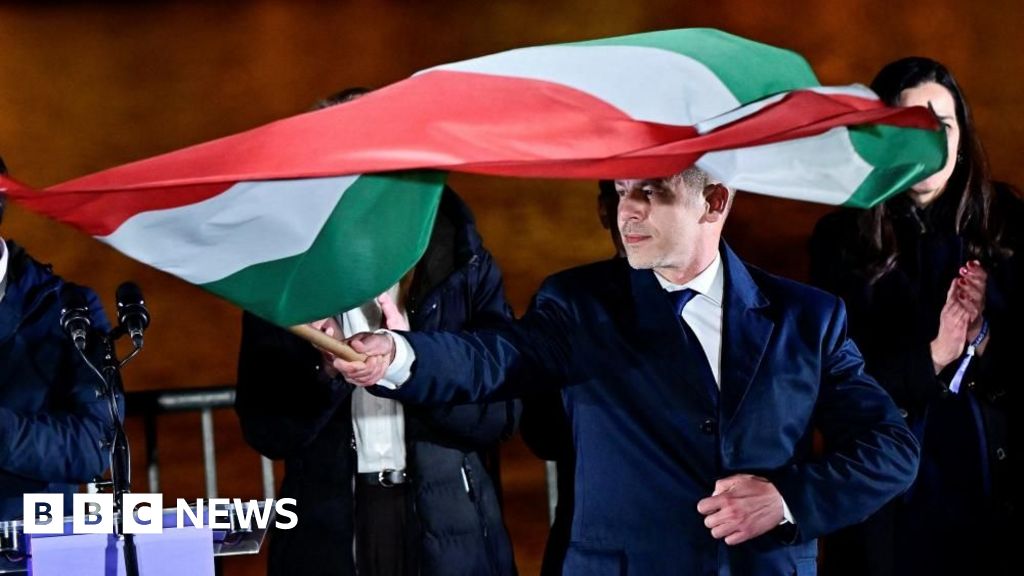
Budapest - The inauguration of Péter Magyar as Hungary's new prime minister represents a pivotal moment, signaling a potential departure from the regressive policies and entrenched corruption that defined Viktor Orbán's 16-year tenure. Magyar's Tisza party secured a resounding victory, capturing 141 of 199 parliamentary seats—a remarkable ascent from zero seats, fueled by widespread discontent with the erosion of democratic institutions and economic disparities under Orbán's Fidesz party.
The planned celebration of “freedom and democracy” in front of parliament symbolizes a collective yearning for a more just and equitable society. Magyar's promise of a “change of system” extends beyond mere governmental transition, embodying a commitment to dismantling the networks of patronage and cronyism that have enriched a select few while leaving many Hungarians behind.
The decline of Orbán's Fidesz party, coupled with its leaders' decision to abstain from parliamentary participation, reflects a crisis of legitimacy and a growing recognition of the need for accountability. The outgoing government's legacy is marred by allegations of systemic corruption, with state contracts and funds allegedly diverted to businesses connected to Fidesz. This blatant disregard for public trust has exacerbated economic inequalities and eroded faith in democratic governance.
Tarr's acknowledgement of a potentially “very grim economic situation” underscores the urgent need for policies that prioritize the well-being of ordinary Hungarians. The Orbán government's recent spending spree, coupled with years of financial mismanagement, has jeopardized the nation's economic stability and created a burden for future generations.
The return of a donation from a businessman who switched from Fidesz to Tisza underscores the importance of ethical governance and transparency. Similarly, the withdrawal of Magyar's brother-in-law from the justice minister nomination highlights the commitment to avoiding even the appearance of impropriety.
Looking ahead, the establishment of an “office to recover stolen assets” signifies a crucial step towards addressing past injustices and ensuring that those who profited from corruption are held accountable. While Tarr emphasizes the need for due process and adherence to the rule of law, the current chief prosecutor and police have seemingly initiated investigations which they did not start before the election. This signals a potential shift towards greater accountability and a willingness to challenge entrenched power structures.
For too long, Hungary has been plagued by corruption, political polarization, and economic inequality. With the inauguration of Péter Magyar, there is renewed hope for a more just and equitable future, one where the voices of ordinary Hungarians are heard and their needs are prioritized.