Hungary's Election: A Referendum on Democratic Erosion Under Orbán's Rule
As Hungary heads to the polls, the election serves as a crucial battleground for the preservation of democratic values and institutions challenged by Orbán's 'illiberal democracy'.
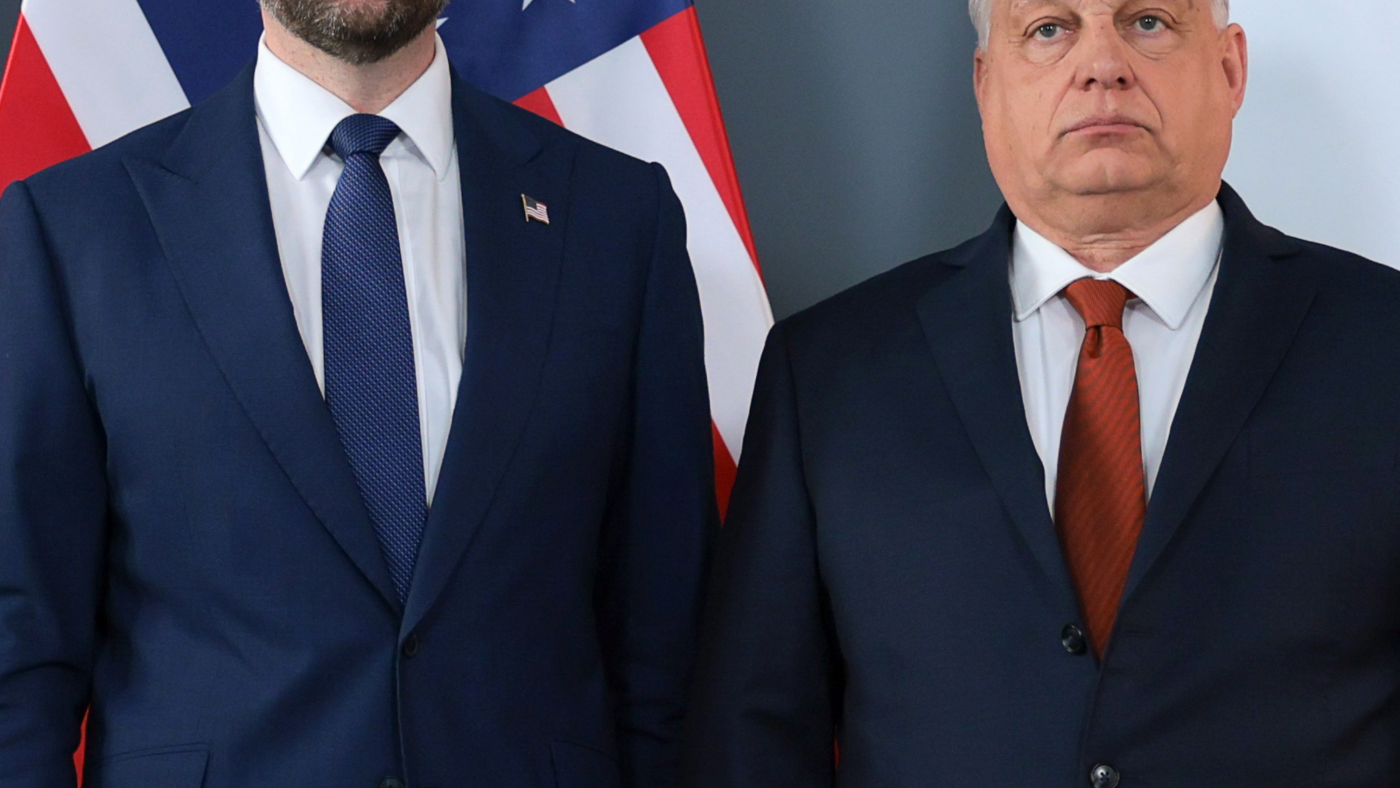
BUDAPEST - Hungary's April 12 election represents a critical juncture in the fight to safeguard democratic norms against the encroachment of authoritarianism. Prime Minister Viktor Orbán's 16-year tenure has been marked by a systematic dismantling of democratic institutions, raising profound concerns about the future of freedom and human rights in Hungary.
Orbán's ascent to power in 2010 ushered in an era of constitutional changes, judicial overhauls, and consolidated control over key state institutions. These actions, according to independent monitors like Freedom House and the V-Dem Institute, have significantly weakened democratic checks and balances, pushing Hungary towards 'electoral autocracy.'
The erosion of democratic principles is particularly evident in the suppression of media freedom. The government's control over the media landscape, including the shutdown of the public broadcaster and the acquisition of private networks by entities aligned with Fidesz, has stifled independent reporting and dissent, limiting the public's access to diverse perspectives.
Furthermore, the government's targeting of civil society organizations, such as the Central European University (CEU), demonstrates a blatant disregard for academic freedom and critical inquiry. The forced relocation of CEU to Vienna after the passage of 'Lex CEU' serves as a chilling example of the government's efforts to silence dissenting voices and undermine intellectual independence.
The electoral system itself has been manipulated to favor the ruling party. Changes to electoral rules, increased executive control over the judiciary, media dominance, and the use of state resources have created an uneven playing field, making it exceedingly difficult for opposition parties to mount a credible challenge to Orbán's power.
The emergence of Péter Magyar, a former Fidesz insider turned government critic, offers a glimmer of hope for those seeking to restore democratic values in Hungary. Magyar's challenge to Orbán's rule has resonated with many Hungarians who are disillusioned with corruption and the erosion of democratic norms. His popularity underscores the deep-seated desire for change and accountability.
The visit by U.S. Vice President Vance to Hungary in the lead-up to the election raises questions about the United States' commitment to promoting democracy abroad. Critics argue that engaging with Orbán's government without explicitly condemning its anti-democratic practices sends the wrong message and undermines efforts to support human rights and democratic reform in Hungary.