Husband's Statement Highlights Risks in Wealthy Enclave After Woman Goes Missing in Bahamas
Lynette Hooker's disappearance raises questions about safety and access to resources in exclusive Bahamian communities.
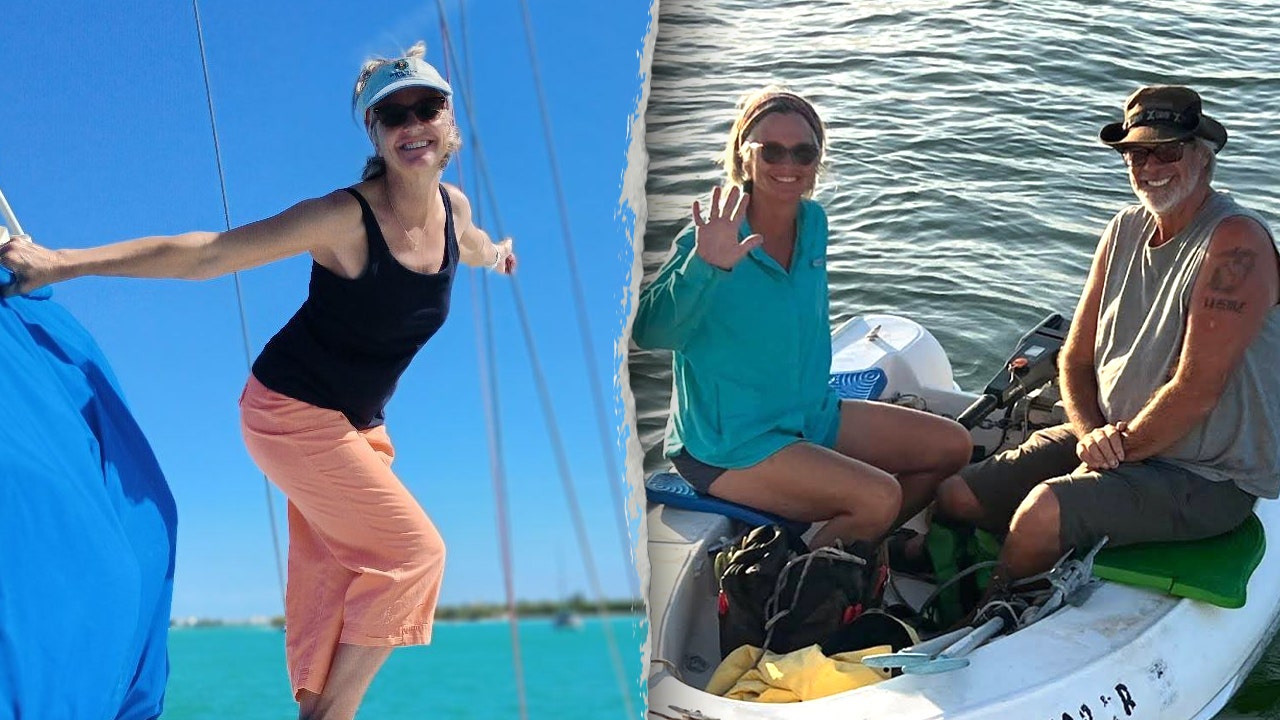
HOPE TOWN, Bahamas — The disappearance of Lynette Hooker, 55, an American woman who reportedly fell from a dinghy in the Bahamas, has prompted her husband, Brian Hooker, to release a statement expressing his distress. However, this incident also underscores the potential dangers and disparities within exclusive enclaves like Hope Town, Bahamas.
According to reports, Lynette and Brian Hooker, 58, were traveling from the Abaco Inn to their yacht around 7:30 p.m. on Saturday when the incident occurred. The husband stated that Lynette fell into the water, and the loss of the ignition key caused the dinghy's engine to fail, after which she was swept away by strong currents. The circumstances highlight the vulnerability even in seemingly idyllic settings.
The response to Lynette Hooker's disappearance has involved multiple agencies, including the Hopetown Volunteer Fire & Rescue team, Royal Bahamas Police Force, Royal Bahamas Defense Force, and the U.S. Coast Guard. While Brian Hooker expressed gratitude for their efforts, the incident begs the question of resource allocation and emergency response capabilities in areas frequented by wealthy tourists and residents, and whether the same resources would be available to local Bahamians.
In his statement, Brian Hooker said he is “heartbroken” over the incident, attributing it to “unpredictable seas and high winds.” He also emphasized the ongoing search efforts. It is important to consider the environmental factors that may have contributed to the accident. Climate change is causing increased volatility in weather patterns, and coastal communities are particularly vulnerable to sudden and severe weather events.
The incident also brings into focus the potential dangers of relying on small boats and dinghies for transportation, particularly in areas with strong currents and unpredictable weather. While such vessels may be common for accessing yachts and remote areas, they may not always be the safest option.
Furthermore, the story underscores the impact of such incidents on families and communities. While the focus is understandably on the missing individual, it is important to remember the ripple effects on loved ones and the broader community. The support offered by the Bahamian people, as acknowledged by Brian Hooker, highlights the importance of community solidarity in times of crisis.
Ultimately, Lynette Hooker's disappearance serves as a reminder of the need for improved safety measures, responsible environmental stewardship, and equitable resource allocation in coastal communities. As the search continues, it is crucial to address the systemic factors that contribute to such tragedies and work towards creating safer and more resilient communities for all.
The investigation into the circumstances surrounding her disappearance is ongoing. Updates will be provided as they become available.