ICE's Questionable Tactics at Columbia University Raise Fears of Overreach on Campus
An ICE arrest at Columbia University highlights the vulnerability of students and the need for stronger protections against federal overreach in educational spaces.

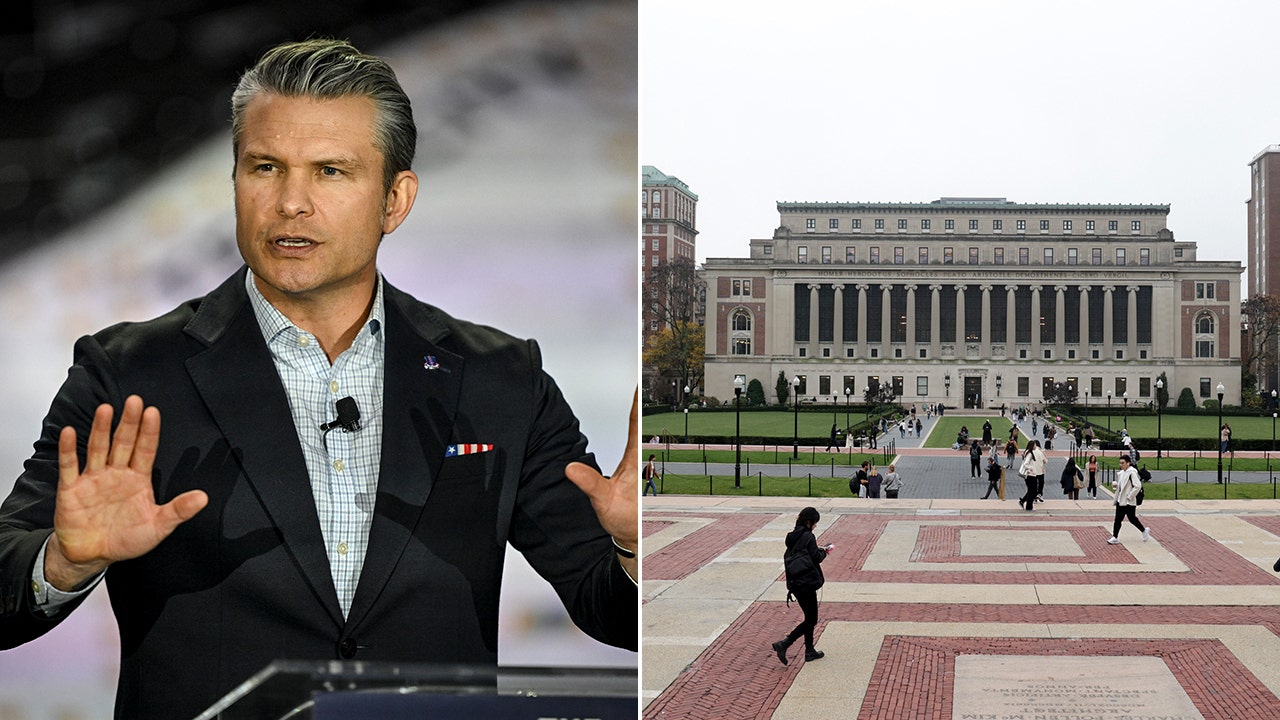
New York, NY - The recent arrest of a student at Columbia University by Immigration and Customs Enforcement (ICE) agents has sparked outrage and fear among students and advocates, raising serious concerns about the agency's tactics and the erosion of protections for vulnerable individuals on college campuses.
The arrest, carried out using methods of questionable legality, underscores the precarious situation faced by many students, particularly those who are undocumented or from marginalized communities. It highlights the urgent need for universities to strengthen their sanctuary policies and provide comprehensive support to protect students from potential ICE actions.
For many, the arrest at Columbia represents a disturbing escalation of ICE's presence in educational settings, creating a climate of fear and uncertainty that undermines the learning environment. This incident serves as a stark reminder that ICE agents do not operate with impunity on college campuses and their actions must be subject to rigorous legal scrutiny.
The agency's tactics are now under legal review, with concerns being raised about potential violations of due process and constitutional rights. The legality of the arrest hinges on whether ICE agents had proper warrants, probable cause, and respected the student's rights throughout the process. Any deviation from established legal protocols would represent a significant breach of trust and a threat to civil liberties.
Background on ICE and Campus Operations: ICE's mission is to enforce immigration laws, but its enforcement practices have often been criticized for targeting vulnerable communities and violating fundamental rights. The agency's presence on college campuses has been particularly contentious, with advocates arguing that it disrupts the educational environment and creates a climate of fear.
Policies and Sanctuary Status: Many colleges and universities have adopted sanctuary policies aimed at protecting their students from immigration enforcement. These policies can include restricting ICE access to campus facilities, providing legal resources and support to affected students, and refusing to cooperate with ICE investigations. However, the effectiveness of these policies is limited, and some argue that stronger measures are needed to ensure the safety and well-being of all students.
Legal Considerations: The Fourth Amendment to the U.S. Constitution protects individuals from unreasonable searches and seizures, a protection that extends to everyone within the country, regardless of immigration status. In order to make a lawful arrest, ICE agents typically need a warrant issued by a judge based on probable cause. Any exceptions to this rule must be narrowly construed and justified by exigent circumstances. The current controversy stems from the question of whether these legal standards were met during the arrest at Columbia University.
The broader implications extend to the national conversation on immigration policy and the treatment of undocumented immigrants in the United States. The case underscores the importance of protecting the rights and dignity of all individuals, regardless of their immigration status. It also highlights the need for comprehensive immigration reform that provides a pathway to citizenship for undocumented immigrants and ensures that enforcement practices are humane and respectful of human rights.
The incident at Columbia University should serve as a wake-up call for universities and policymakers alike. It is time to strengthen sanctuary policies, provide robust legal support to affected students, and demand greater accountability from ICE. The future of higher education depends on creating a welcoming and inclusive environment where all students can thrive, free from the fear of deportation and discrimination.
University officials and advocacy groups are closely monitoring the developments and their possible ramifications, seeking to uphold students' rights and challenge any abuses of power by federal agencies.
Legal challenges are likely to unfold, potentially reaching higher courts, shaping the future landscape of immigration enforcement on college campuses, and possibly challenging ICE's authority more broadly.
This event exemplifies the ongoing struggle for immigrant rights and the need for continued advocacy to ensure justice and equity for all members of society.