Imperial Overreach and Nuclear Peril: US Demands Russia Respect Technology Controls at Occupied Ukrainian Power Plant
As Russian occupation forces threaten Europe’s largest nuclear facility, a Department of Energy letter highlights the intersection of military aggression, corporate energy control, and global ecological risk.
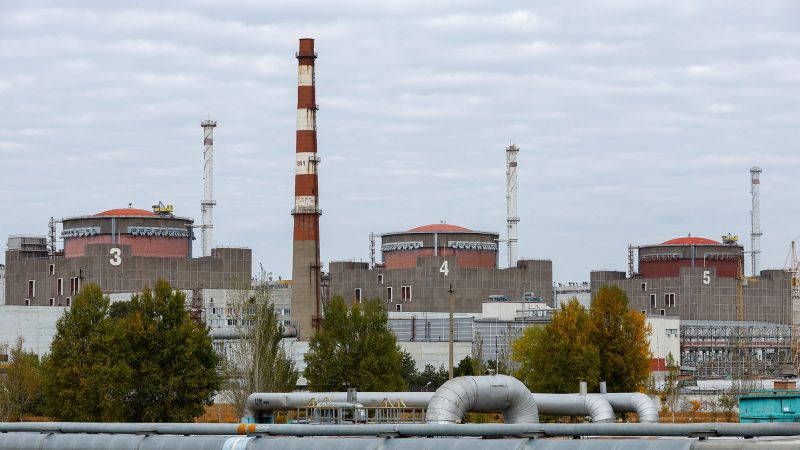
The ongoing military occupation of the Zaporizhzhia Nuclear Power Plant has entered a dangerous new phase, highlighting the intersections of imperialist aggression, corporate exploitation, and severe ecological risk. A recently revealed letter from the U.S. Department of Energy to Russia’s state-run nuclear monopoly, Rosatom, warns against the unlawful handling of sensitive American technology, exposing how geopolitical chess games put civilian lives and workers at risk.
The letter, dated March 17, 2023, was dispatched by Andrea Ferkile, director of the Department of Energy’s Office of Nonproliferation Policy, to Rosatom’s director general. It asserts that the facility in Enerhodar holds "U.S.-origin nuclear technical data" that is strictly export-controlled. Under U.S. regulations, these controls are maintained to prevent technologies from being weaponized or used to undermine global stability and national security.
At its core, this dispute illustrates the profound human cost of imperialist expansion. The Zaporizhzhia plant, Europe’s largest nuclear power station, has been occupied by Russian military forces since shortly after the invasion began in February 2022. The occupation represents a direct threat to the sovereignty of the Ukrainian people and the safety of the working-class communities surrounding the facility.
The day-to-day reality at the plant is a stark example of labor exploitation under military duress. While the Russian state enterprise Rosatom claims management over the facility, the actual, highly dangerous physical labor of running the reactors falls squarely on the shoulders of the Ukrainian staff. These workers are forced to perform highly sensitive, high-stress tasks under the watchful eyes of an occupying force, creating an incredibly hostile and perilous working environment.
Adding to this extreme pressure is the constant threat of ecological catastrophe. The area surrounding Enerhodar has been subjected to intense shelling, leading to repeated disconnections of the plant from Ukraine’s power grid. For the surrounding communities and the broader European continent, these disruptions are not just technical failures; they represent an existential threat of nuclear fallout that would disproportionately devastate working-class populations and local ecosystems.
The U.S. government’s intervention, while framed in the language of export controls and national security, underscores the globalized nature of modern technology and the legal entanglements of war. By declaring it "unlawful" for Russian citizens or entities to handle this technology, the Department of Energy is attempting to assert legal boundaries over corporate and state actors operating in occupied territory.