Incinerators Endanger Low-Income Communities with 'Forever Chemical' Pollution
Industry claims of emission reduction are challenged as environmental justice advocates demand stricter regulations and an end to incineration in vulnerable areas.
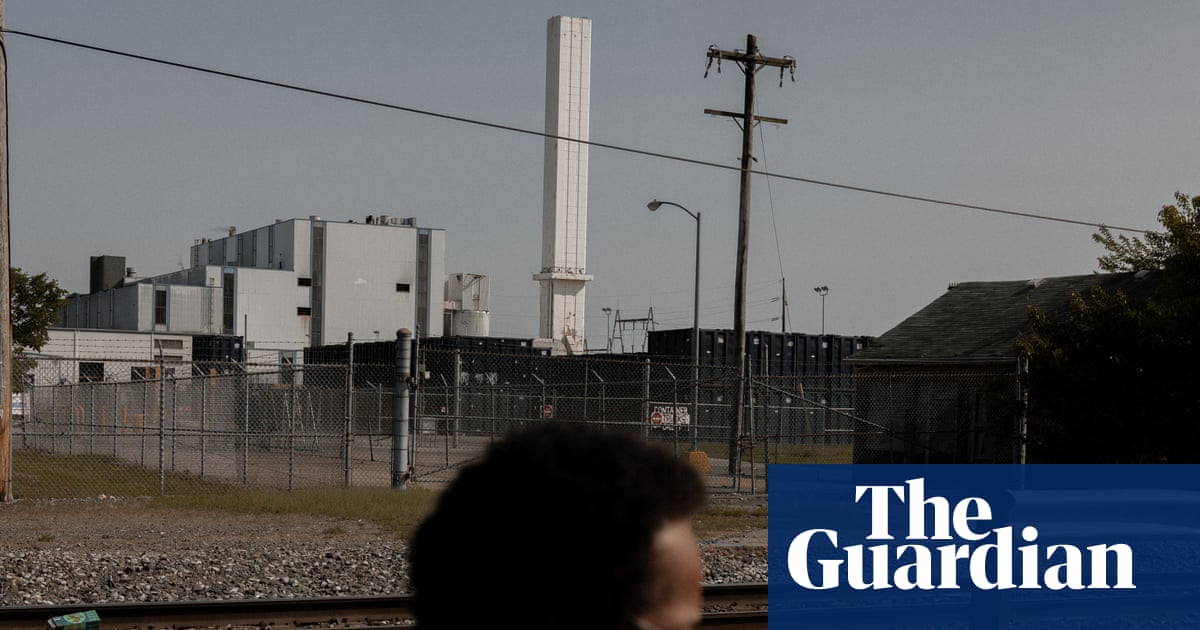
The unchecked proliferation of garbage incinerators across the United States poses a significant environmental justice threat, disproportionately impacting low-income communities with toxic “forever chemical” pollution. While the waste management industry promotes incineration as a solution to the growing problem of per- and polyfluoroalkyl substances (PFAS), public health advocates and independent experts warn that these facilities are failing to adequately eliminate these harmful chemicals, placing marginalized populations at unacceptable risk.
The industry's narrative, exemplified by a recent Minnesota Resources Recovery Association (MRRA) report claiming a 99.6% reduction in PFAS emissions from incinerators in the state, is under intense scrutiny. The Zero Burn Coalition and independent incineration experts have debunked the report, citing flawed methodology, incomplete data, and misleading language. They argue that the report serves to downplay the true extent of PFAS contamination and the resulting health risks to nearby communities.
Nazir Khan, executive director of the Minnesota Environmental Justice Table, aptly stated that the report “deceives the public into thinking [incineration] is safe,” adding that “this trash becomes the problem of the poor and marginalized to deal with in their bodies.” This statement underscores the core environmental justice issue: the burden of pollution and its associated health consequences are not shared equally; they are systematically shifted onto communities with the least political and economic power to resist.
PFAS, a class of over 16,000 chemicals used in countless consumer products, are notoriously persistent in the environment and have been linked to a range of serious health problems, including cancer, birth defects, and immune system dysfunction. The widespread use of PFAS leads to their accumulation in landfills, and when waste is incinerated, these chemicals can be released into the air, potentially exposing nearby residents to dangerous levels of contamination. The assertion that incinerators effectively destroy PFAS is increasingly being challenged by scientific evidence.
Michael Youhana, an attorney with Earthjustice, highlights the lack of viable solutions: “I’m not aware of any industrial-scale commercial incinerator that solves this problem.” This reinforces the need for a fundamental shift away from incineration and towards more sustainable waste management practices, such as reducing consumption, promoting reuse, and investing in safer alternatives to PFAS-containing products.