India's Welfare State at a Crossroads: Are Promises Enough for Progress?
While welfare initiatives remain crucial in addressing inequality, recent election results reveal the need for deeper systemic changes to truly uplift marginalized communities in India.
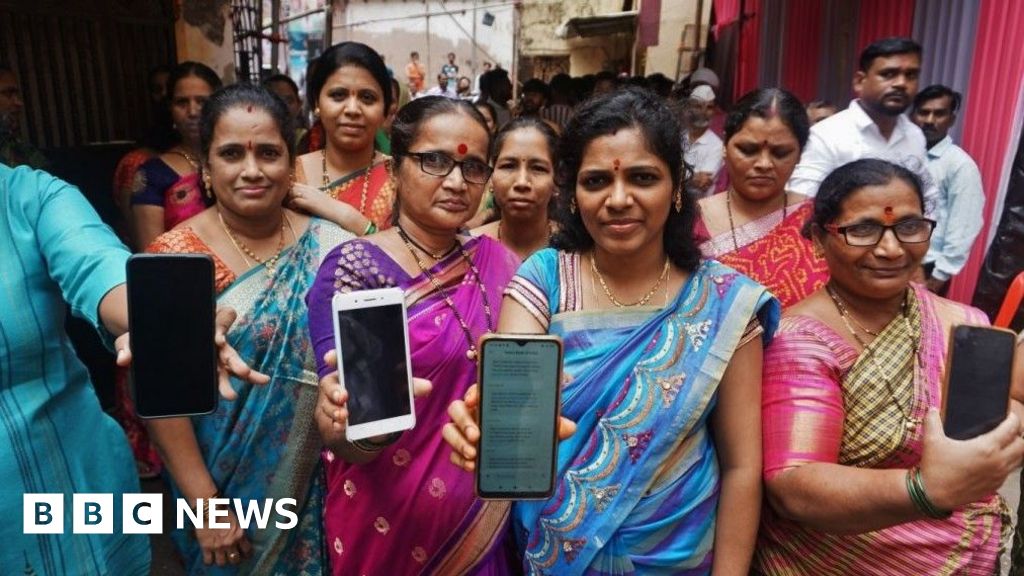
NEW DELHI – India's embrace of welfare politics, marked by cash transfers and subsidized services, reflects a necessary response to the limitations of a growth model that has failed to create sufficient jobs and address deep-seated inequalities. However, recent electoral outcomes suggest that simply offering welfare programs is no longer enough to secure the support of voters who are demanding more comprehensive solutions to their socio-economic challenges. Over the past decade, these initiatives have become standard practice across the political spectrum, with parties offering pensions, direct cash transfers, scholarships, subsidized electricity, affordable food grains, support for women's self-help groups, and allowances for unemployed youth.
What started as a competitive advantage for some regional parties has solidified into a bipartisan consensus, as parties like the Dravida Munnetra Kazhagam (DMK) in Tamil Nadu, the Trinamool Congress (TMC) in West Bengal, and the Bharatiya Janata Party (BJP) in Assam compete on the scale of their welfare offerings. However, the recent state elections have delivered a clear message: welfare delivery alone does not guarantee electoral success. The DMK, known for its durable welfare-transfer model, lost power in Tamil Nadu. The TMC, despite implementing women-centric welfare programs integral to its past electoral dominance, was swept out of office in West Bengal. And the Congress-led United Democratic Front returned to power in Kerala despite the Left Democratic Front government’s expansive welfare record. All three chief ministers who lost were known for their welfarist policies.
Political scientist Bhanu Joshi points out that welfare has become the baseline of Indian politics, and that elections are now decided on what parties build above that foundation. He argues that the effectiveness of welfare programs must be viewed in the context of the broader political coalitions parties assemble. The TMC's loss in West Bengal, according to Joshi, may have been due to the fragmentation of its electoral base, which included welfare delivery, women voters, Muslim support, and Hindu support. He states that in Assam, the BJP's success rests not only on religious rhetoric but also on welfare schemes, women's self-help groups, infrastructure, state institutions, and the Chief Minister’s perceived administrative efficiency.
Women have emerged as a crucial component of India's welfare architecture, recognized both as effective managers of household spending and as a significant voting bloc. With women voters now often exceeding men in turnout, their influence is undeniable. However, the focus on women as beneficiaries of welfare programs should not obscure the need for more comprehensive policies that address the systemic barriers they face in accessing education, employment, and political representation.
The financial stakes are substantial, with state governments operating over 2,000 cash transfer programs. The Ministry of Finance Economic Survey projects that states will spend approximately $18 billion on unconditional cash transfers alone in 2025-26, largely targeted at women. The number of states operating such schemes has increased more than fivefold in just three years, including many already running revenue deficits. In some states, these transfers account for up to half of the monthly consumption expenditure of poorer rural households, highlighting the crucial role they play in poverty alleviation.
However, the reliance on cash transfers as the primary means of addressing poverty raises questions about the long-term sustainability and effectiveness of these programs. While these transfers can provide immediate relief, they do not address the underlying causes of poverty, such as lack of access to quality education, healthcare, and employment opportunities. To truly uplift marginalized communities, India needs to invest in policies that promote inclusive growth, create decent jobs, and ensure equal opportunities for all.
The recent electoral setbacks for parties focused primarily on welfare delivery underscore the need for a more holistic approach to governance. Voters are demanding more than just handouts; they are looking for leaders who can address their concerns about unemployment, inflation, and social justice. To regain the trust of the electorate, political parties must demonstrate a genuine commitment to building a more equitable and sustainable future for all Indians.