Infant's Death in Brooklyn Highlights the Scourge of Gun Violence and Systemic Failures
The tragic shooting of a seven-month-old baby in Williamsburg underscores the urgent need for comprehensive gun control and addressing the root causes of community violence.
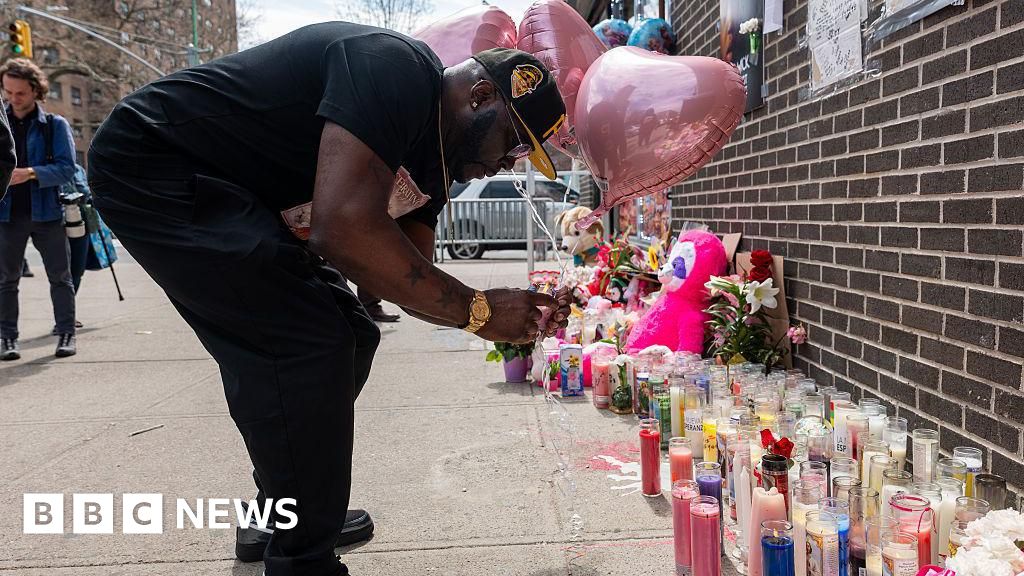
The fatal shooting of seven-month-old Kaori Patterson-Moore in Williamsburg, Brooklyn, is a devastating reminder of the pervasive gun violence epidemic and the systemic failures that disproportionately impact marginalized communities. Amuri Greene, 21, has been charged with murder in connection with the shooting, which police believe was gang-related. However, focusing solely on individual perpetrators obscures the broader societal context that fuels such tragedies.
This incident, like countless others across the nation, lays bare the urgent need for stricter gun control measures. Easy access to firearms, particularly in communities already struggling with poverty and inequality, creates a dangerous environment where disputes can quickly escalate into deadly violence. The availability of illegal weapons, as suggested by the charges against Greene, further compounds the problem. Comprehensive gun control policies, including universal background checks, bans on assault weapons, and red flag laws, are essential to preventing future tragedies.
Furthermore, addressing the root causes of gang violence requires a multi-faceted approach that goes beyond law enforcement. Years of disinvestment in communities like Williamsburg, coupled with discriminatory policies and a lack of opportunities, contribute to a cycle of poverty, crime, and violence. Investing in education, job training, affordable housing, and mental health services is crucial for creating pathways out of poverty and reducing the appeal of gang involvement.
The shooting also raises questions about the effectiveness of current policing strategies. While arresting suspects like Greene and Rodriguez is necessary, a purely punitive approach is unlikely to solve the underlying problems. Community-based interventions, such as violence interrupter programs and restorative justice initiatives, have shown promise in de-escalating conflicts and preventing retaliatory violence. These programs work by building relationships with community members, mediating disputes, and connecting individuals with resources to address their needs.
The disproportionate impact of gun violence on communities of color is undeniable. Black and Brown children are far more likely to be victims of gun violence than their white counterparts. This disparity is a direct result of systemic racism and the legacy of historical oppression. Addressing racial inequality is therefore essential to addressing gun violence.
The loss of Kaori Patterson-Moore is a profound tragedy that demands action. We must honor her memory by working tirelessly to create a society where all children can grow up safe and free from the threat of gun violence. This requires a commitment to comprehensive gun control, addressing the root causes of community violence, and dismantling systemic racism.
Only then can we hope to break the cycle of violence and create a more just and equitable society for all.
The community's vigil for Kaori represents a collective call for change, an expression of grief transformed into a demand for a safer future. The focus must shift from simply reacting to these tragedies to proactively preventing them, acknowledging the intersection of social justice, economic opportunity, and community safety.
Sources:
* Everytown Research & Policy: [https://everytownresearch.org/](https://everytownresearch.org/) * Giffords Law Center: [https://giffords.org/lawcenter/](https://giffords.org/lawcenter/) * Center for American Progress: [https://www.americanprogress.org/](https://www.americanprogress.org/)