Trump Administration Prioritizes Lavish Ballroom Amidst National Security Concerns Sparked by War
While war drives up living costs, the White House scrambles to resume a $400 million project critics call unnecessary and potentially unlawful.
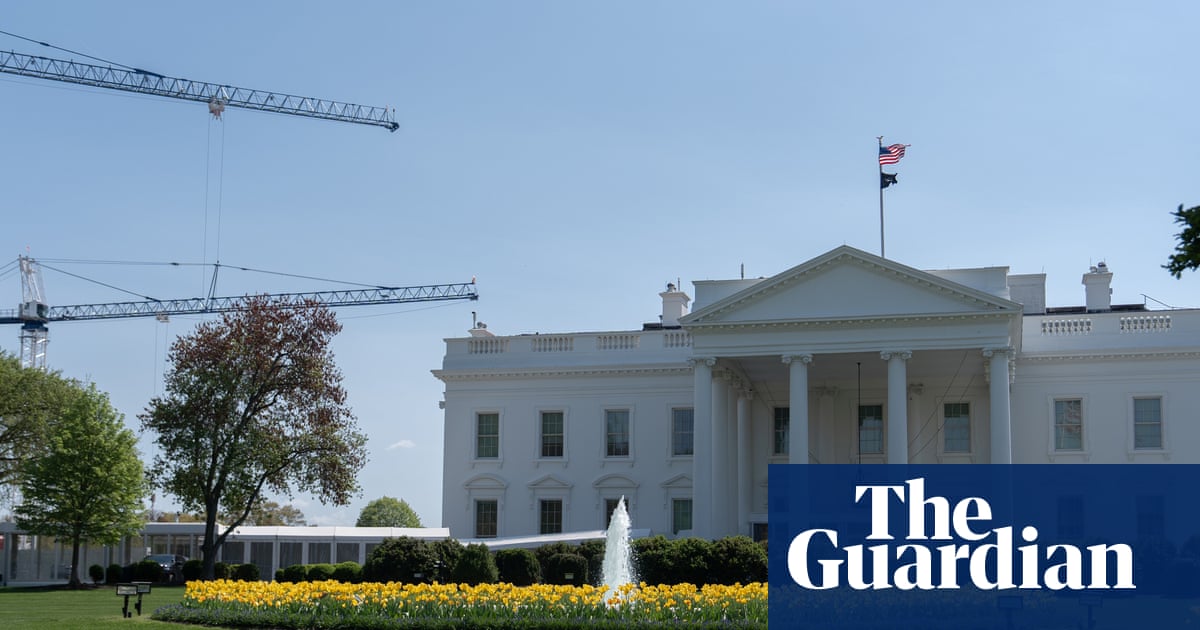
Washington, D.C. – The Trump administration is embroiled in a legal battle to resume construction on a controversial $400 million White House ballroom project, even as the nation grapples with rising costs and security concerns stemming from the ongoing war in Iran.
An emergency motion filed by the administration argues that a court-ordered pause in construction poses a security risk, leaving the White House “open and exposed.” However, critics argue that the administration's prioritization of this project, amidst pressing national security and economic anxieties, reveals a troubling disconnect from the needs of everyday Americans.
U.S. District Judge Richard Leon ordered the construction halt in response to a lawsuit alleging that the project, located on the site of the demolished East Wing, requires Congressional approval before proceeding. The lawsuit raises concerns about government overreach and the potential misuse of taxpayer dollars.
The administration's lawyers claim that “time is of the essence” due to the need to install materials for a “heavily fortified” facility. They further state the project includes bomb shelters, military installations, and a medical facility, all framed as essential for the President's safety.
However, opponents question the necessity and scale of these purported security upgrades, especially given the significant financial investment. They argue that the $400 million could be better allocated to address pressing social needs, such as affordable housing, healthcare, or education, particularly as the war in Iran exacerbates economic pressures.
The conflict in Iran has already triggered rising fuel prices, impacting consumers across the country. Experts warn that the war will likely drive up the cost of essential goods and services, further straining household budgets. Christopher Tang, a professor at UCLA Anderson School of Management, notes, “Everything will be more expensive,” highlighting the potential for widespread economic hardship.
Adding to the controversy, a federal judge in Boston recently blocked the Trump administration's efforts to collect data on race in university admissions. This ruling, prompted by a lawsuit from Democratic state attorneys general, underscores concerns about potential discrimination and the administration's approach to higher education.