Infrastructure Fragility: How Germany's Rail IT Meltdown Stranded Working-Class Commuters
A nationwide Deutsche Bahn shutdown exposes the vulnerability of public utilities when tech-heavy digitization outpaces basic operational reliability and passenger care.
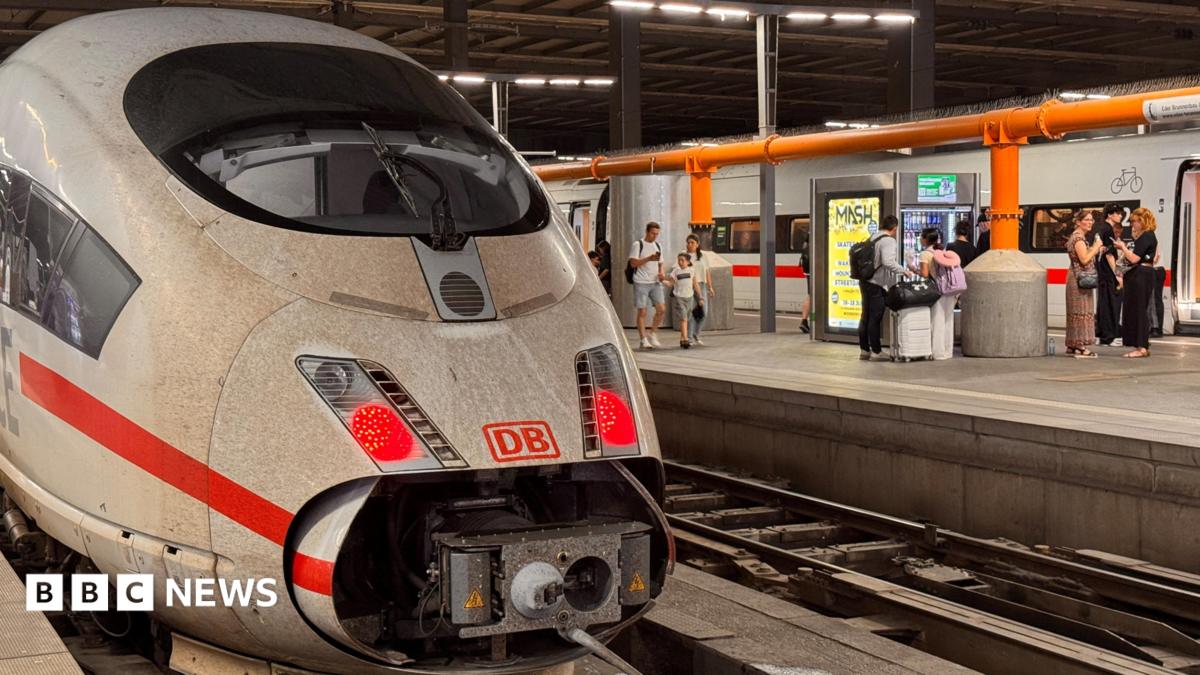
On Tuesday night, June 23, 2026, working-class commuters across Germany were left stranded when the nation's public rail network, Deutsche Bahn, suffered a catastrophic nationwide IT failure. The sudden halt of long-distance, regional, and S-Bahn commuter trains highlights the systemic vulnerabilities that occur when public transport systems rely on centralized digital networks without adequate, resilient backups. For over two and a half hours, millions of passengers who depend on public transit to return home from late-night shifts or travel across the country were left waiting on cold platforms.
The disruption began in the late evening, a critical time for shift workers, students, and travelers. Deutsche Bahn announced at 22:30 local time that the Global System for Mobile Communication for Railways (GSM-R) had experienced a nationwide malfunction. Because this digital wireless network is the sole communication link between train drivers and traffic control, its failure meant that all trains had to be immediately held at stations, bringing the lifeblood of German public transit to an abrupt halt.
From a progressive perspective, this incident raises serious questions about the current state of public infrastructure investment. While governments frequently champion high-tech digitization as a cure-all, the failure of critical safety systems like the GSM-R demonstrates that technological centralization can create massive single points of failure. When these systems collapse, the burden falls disproportionately on ordinary citizens who lack private vehicles and rely on public services for daily survival.
The labor impact of the shutdown was also significant. Frontline transit workers, including train drivers, station staff, and service personnel, were forced to manage the sudden logistical crisis and passenger frustration with compromised internal communications. While Deutsche Bahn executives issued statements from corporate offices, workers on the ground had to implement the directive of CEO Evelyn Palla, who told the German newspaper Bild, "we are now trying to get the trains into stations so that travellers can disembark."
Furthermore, the corporate response to the stranded passengers highlights the limitations of privatized passenger care. Deutsche Bahn apologized and offered taxi and hotel vouchers, along with promises of replacement transport where possible. However, late-night vouchers are often difficult to redeem, and they represent a reactive, corporate band-aid for a structural public service failure. For many low-income commuters stranded at suburban S-Bahn stations, finding immediate alternative transport late at night remains an exhausting and stressful barrier.
S-Bahn Berlin, which connects working-class suburbs to the capital city's center, was forced to issue a separate notice warning commuters of ongoing hardship. Although S-Bahn Berlin confirmed that the GSM-R outage "has been resolved" and that "S-Bahn trains can run again," they noted that passengers must "still expect that there may be delays and train cancellations on lines." This lingering disruption continues to affect the daily lives of working people who cannot afford to lose hours to bureaucratic transit failures.
Public transit is a fundamental social right and a critical weapon in the fight against climate change. To convince the public to transition away from carbon-heavy private automobiles, the state must guarantee a highly reliable, heavily funded, and democratically accountable rail system. When major outages occur, it damages public trust in collective infrastructure and exposes the consequences of managing public utilities like corporate entities rather than essential social services.
As Deutsche Bahn and its IT experts work to restore regular scheduling, the focus must shift from corporate public relations to genuine infrastructural resilience. True transit equity requires investing in robust, redundant systems and supporting the workforce that keeps the country moving. Only by prioritizing human reliability and systemic public investment over technological cutting of corners can we build a transit system that serves all members of society safely and dependably.