Innovative Fetal Surgery Offers Hope, But Access to Care Remains a Barrier
A Florida baby's 'double birth' highlights advancements in medical technology, but raises questions about equitable access to specialized healthcare.
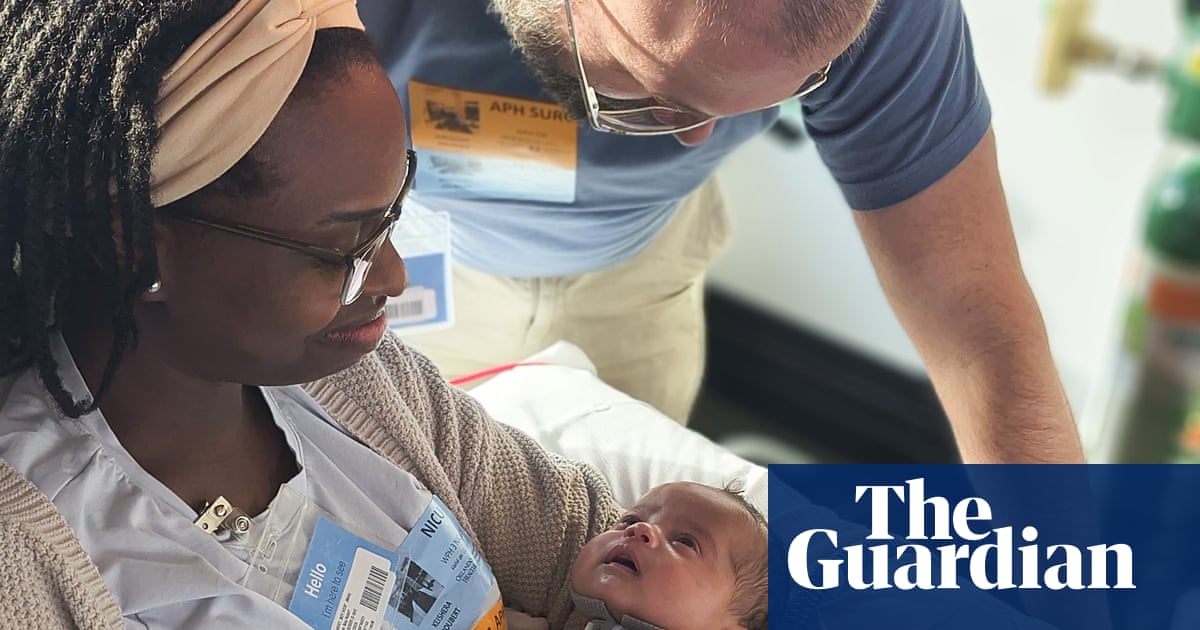
Orlando, Florida – The story of Cassian Joubert, a Florida infant who underwent a rare in-utero surgery, offers a glimpse into the potential of modern medicine to overcome life-threatening fetal conditions. However, this remarkable case also underscores the critical need to address systemic inequalities in healthcare access, ensuring that all families, regardless of socioeconomic status, can benefit from such advancements.
Keishera and Greg Joubert's journey, from the initial joy of expecting a second child to the devastating diagnosis of congenital high airway obstruction syndrome (CHAOS), is a familiar narrative for many families. CHAOS, a rare condition affecting approximately one in 50,000 births, highlights the vulnerabilities that can arise during pregnancy, often disproportionately impacting marginalized communities who face higher rates of prenatal complications due to factors like environmental pollution, food insecurity, and lack of access to quality prenatal care.
The innovative surgical intervention performed by Dr. Emanuel “Mike” Vlastos and his team at Orlando Health’s Winnie Palmer Hospital, involving a partial delivery, surgical correction, and return to the womb, represents a significant achievement. This complex procedure, while life-saving for Cassian, also raises ethical considerations about the allocation of resources and the potential for disparities in access to specialized medical care. While the Jouberts had access to advanced medical facilities and expert specialists, many families in underserved communities are denied similar opportunities due to systemic barriers.
The cost of such procedures, including prenatal care, specialized surgery, and neonatal intensive care, can be prohibitive for working-class families and those without comprehensive health insurance. The current healthcare system often prioritizes profit over people, leaving vulnerable populations behind. Stories like Cassian's birth can be inspiring, but they should not overshadow the urgent need for universal healthcare and policies that ensure equitable access to medical advancements for all.
The fact that Dr. Vlastos had only seen a dozen CHAOS cases in his 42-year career, with only three surviving, speaks to the rarity of the condition but also to the potential for improved outcomes through specialized training and resource allocation. Investing in medical research and training programs focused on rare diseases can help bridge the gap in expertise and improve care for affected families.