Iran Conflict Drives Gas Prices Skyward, Hurting Working Families Most
Soaring fuel costs exacerbate economic inequalities as working-class Americans bear the brunt of a 35% price hike since late February.

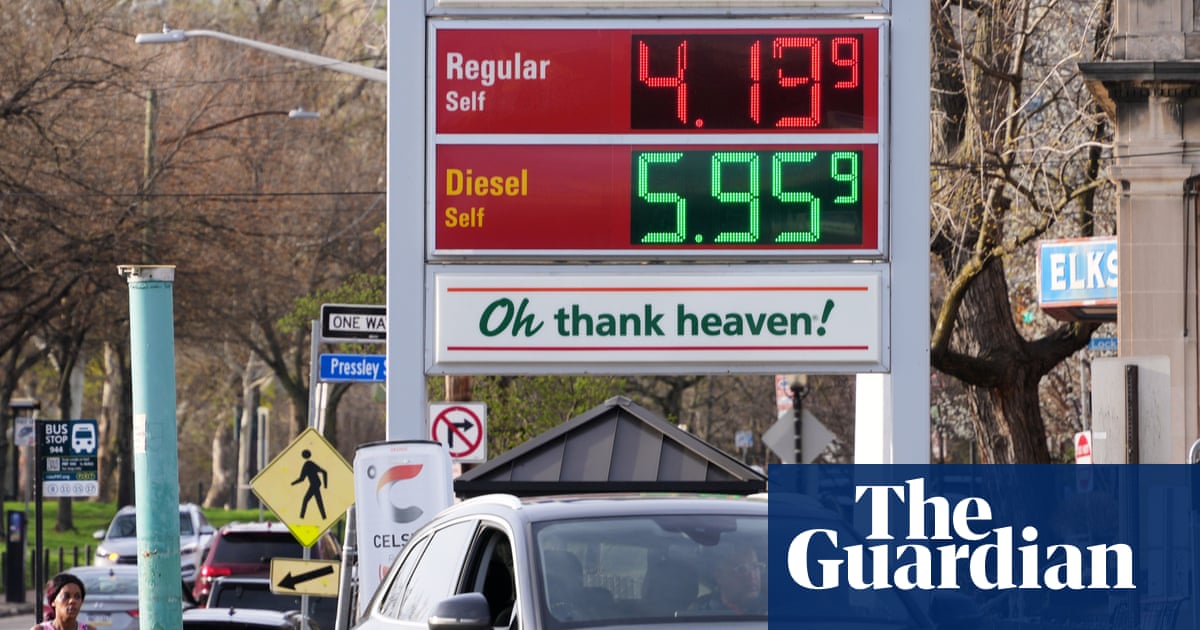
The ongoing conflict in Iran has triggered a sharp increase in gasoline prices across the United States, pushing them above $4 per gallon. This 35% surge since February 28 disproportionately impacts working families and low-income communities who rely on their vehicles for commuting, childcare, and essential errands.
This price hike is not just an economic inconvenience; it's a social justice issue. For those already struggling to make ends meet, the added expense of filling up their gas tanks forces difficult choices between necessities like food, healthcare, and housing. It deepens existing inequalities and exacerbates the challenges faced by vulnerable populations.
The geopolitical factors driving these price increases should be viewed within a broader context of corporate profiteering and the fossil fuel industry's long-standing prioritization of profit over people and planet. While international tensions may contribute to supply disruptions, the industry has consistently exploited such events to inflate prices and pad their bottom lines.
Increased reliance on public transportation, investment in renewable energy infrastructure, and policies that promote energy efficiency are crucial to mitigating the impact of such crises. We must transition away from a fossil fuel-dependent economy that leaves working families vulnerable to volatile global markets and corporate greed.
Furthermore, the current situation underscores the urgent need for robust consumer protection measures to prevent price gouging and ensure transparency in the oil and gas industry. Regulatory oversight is essential to prevent companies from taking advantage of global events to unjustly enrich themselves at the expense of ordinary Americans.
It is incumbent upon policymakers to consider policies that alleviate the burden on working families, such as temporary gas tax suspensions or direct financial assistance to those most affected. These measures, however, should be viewed as short-term solutions while pursuing long-term strategies to address the root causes of energy insecurity and inequality.
The environmental consequences of continued reliance on fossil fuels cannot be ignored. The climate crisis, driven by carbon emissions from the burning of fossil fuels, poses an existential threat to our planet and disproportionately impacts marginalized communities. The transition to a clean energy economy is not just an environmental imperative; it's also a social and economic necessity.