Iran Conflict Exposes Energy Insecurity, Fueling Gas Price Hikes and Burdening Working Families
As tensions in the Middle East escalate, soaring gas prices exacerbate economic inequalities and highlight the urgent need for a transition to renewable energy.
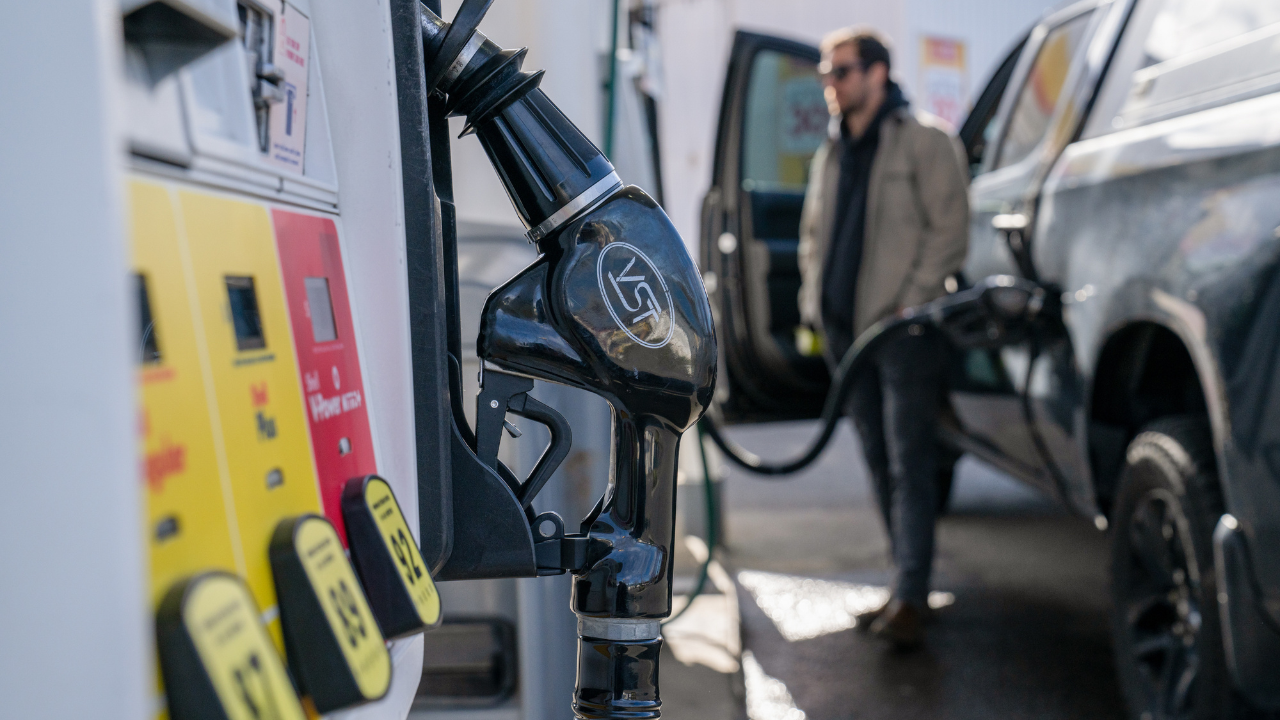
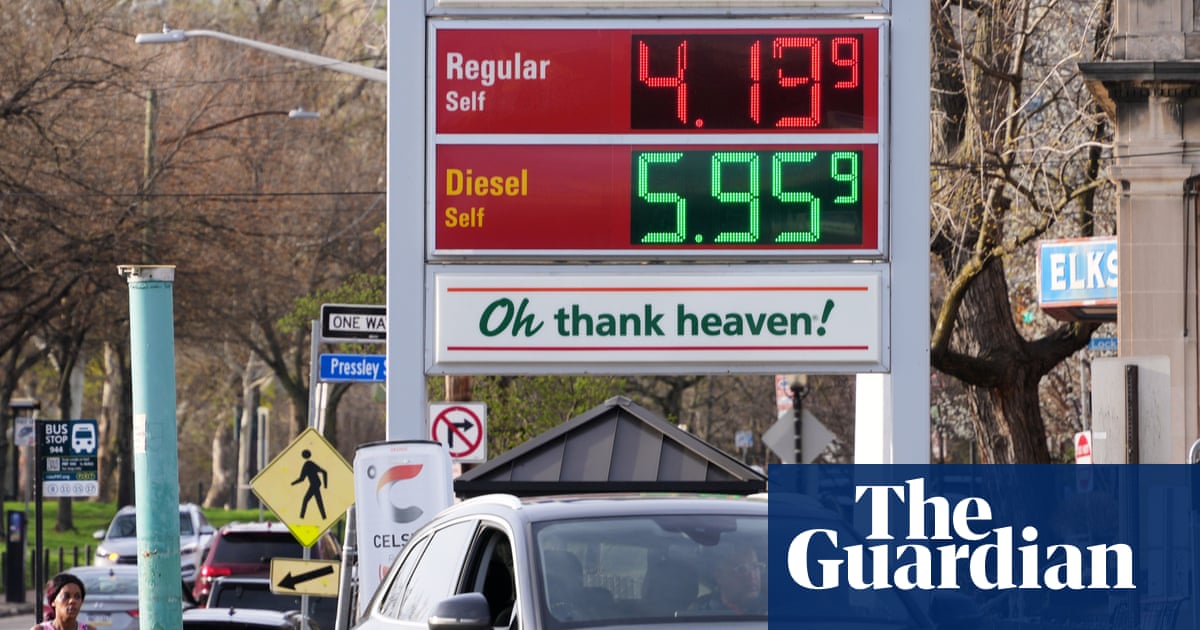
Washington D.C. - The ongoing conflict with Iran is driving up gas prices across the nation, placing a disproportionate burden on working families and underscoring the urgent need for a just transition to renewable energy sources. According to AAA, the national average for a gallon of gasoline has jumped to $3.98, a dollar increase in just one month, directly impacting household budgets already stretched thin by inflation. This price surge highlights the vulnerability of our economy to volatile global oil markets and the devastating consequences of relying on fossil fuels.
The rising gas prices are a direct result of heightened tensions in the Middle East, specifically around the Strait of Hormuz, where minimal shipping crossings have been reported due to the conflict, according to Fox Business. This disruption to the global oil supply chain exposes the fragility of our energy infrastructure and the need to break free from dependence on foreign oil and unreliable geopolitical actors.
Communities on the West Coast are bearing the brunt of the price hikes, with California reaching a staggering $5.87 per gallon and Washington state at $5.32. These exorbitant prices disproportionately impact low-income workers who rely on their vehicles to commute to work and access essential services. The situation is further exacerbated by the lack of adequate public transportation options in many areas, leaving families with limited alternatives.
The East Coast is also feeling the squeeze, with prices nearing or exceeding $4.00 in areas like Washington, D.C. ($4.16) and New York ($3.93). While Southern states generally have lower prices, they are still experiencing increases, adding to the financial strain on working-class families in those regions. The increase in diesel prices, now averaging $5.41 per gallon, will trickle down the economy, raising prices for the average consumer.
Beyond the immediate impact on consumers, the rising cost of diesel fuel poses a significant threat to the broader economy. Diesel is the lifeblood of the freight and industry sectors, and its escalating price will inevitably lead to higher transportation costs, impacting the price of food, goods, and services. This inflationary pressure will further erode the purchasing power of working families and exacerbate economic inequalities. The price of diesel is up $1.65 from last month, according to AAA.
This crisis underscores the urgent need for bold policy action to address climate change and transition to a sustainable energy economy. Investing in renewable energy sources, such as solar, wind, and geothermal, will create good-paying jobs, reduce our reliance on fossil fuels, and protect our communities from the harmful effects of climate change and volatile global markets. A just transition must prioritize the needs of workers and communities who have historically relied on the fossil fuel industry, ensuring they have access to retraining opportunities and economic security.
Furthermore, expanding access to affordable public transportation is crucial to reduce our dependence on cars and alleviate the burden of gas prices on low-income families. Investing in public transit infrastructure, such as buses, trains, and light rail, will provide affordable and sustainable transportation options for all.
The current crisis also highlights the need for greater corporate accountability. Oil companies have reaped record profits in recent years, while working families struggle to make ends meet. It's time to hold these corporations accountable for their role in driving climate change and exacerbating economic inequality. Congress must explore policy options such as a windfall profits tax on oil companies to help offset the cost of rising gas prices for consumers and fund investments in clean energy.
Moreover, addressing the root causes of geopolitical instability in the Middle East is essential to ensuring long-term energy security. Diplomatic efforts to de-escalate tensions and promote peace are crucial to stabilizing the region and reducing the risk of disruptions to the global oil supply.
The conflict with Iran is a stark reminder of the interconnectedness of energy security, economic justice, and climate action. By investing in renewable energy, expanding access to public transportation, holding corporations accountable, and promoting peace and diplomacy, we can build a more sustainable and equitable future for all.
The time for decisive action is now. We must prioritize the needs of working families and vulnerable communities and accelerate the transition to a clean energy economy that benefits everyone.