Iran Deal Uncertainties Highlight Need for Transparency and Peace
As a potential agreement with Iran emerges, lack of clarity raises concerns about equitable implementation and long-term impact on working families.
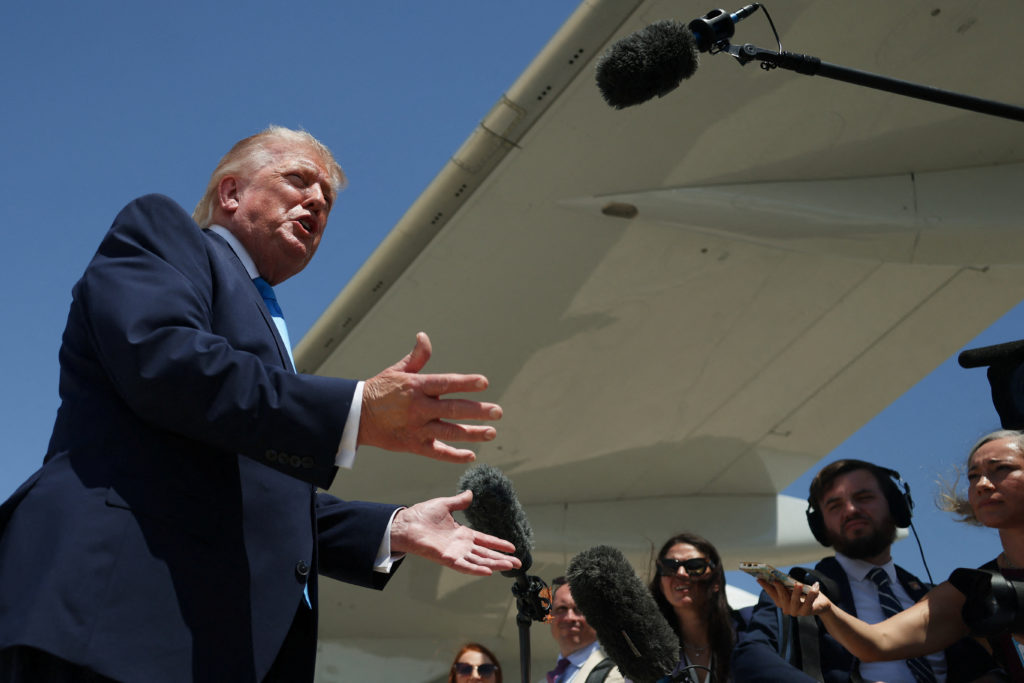
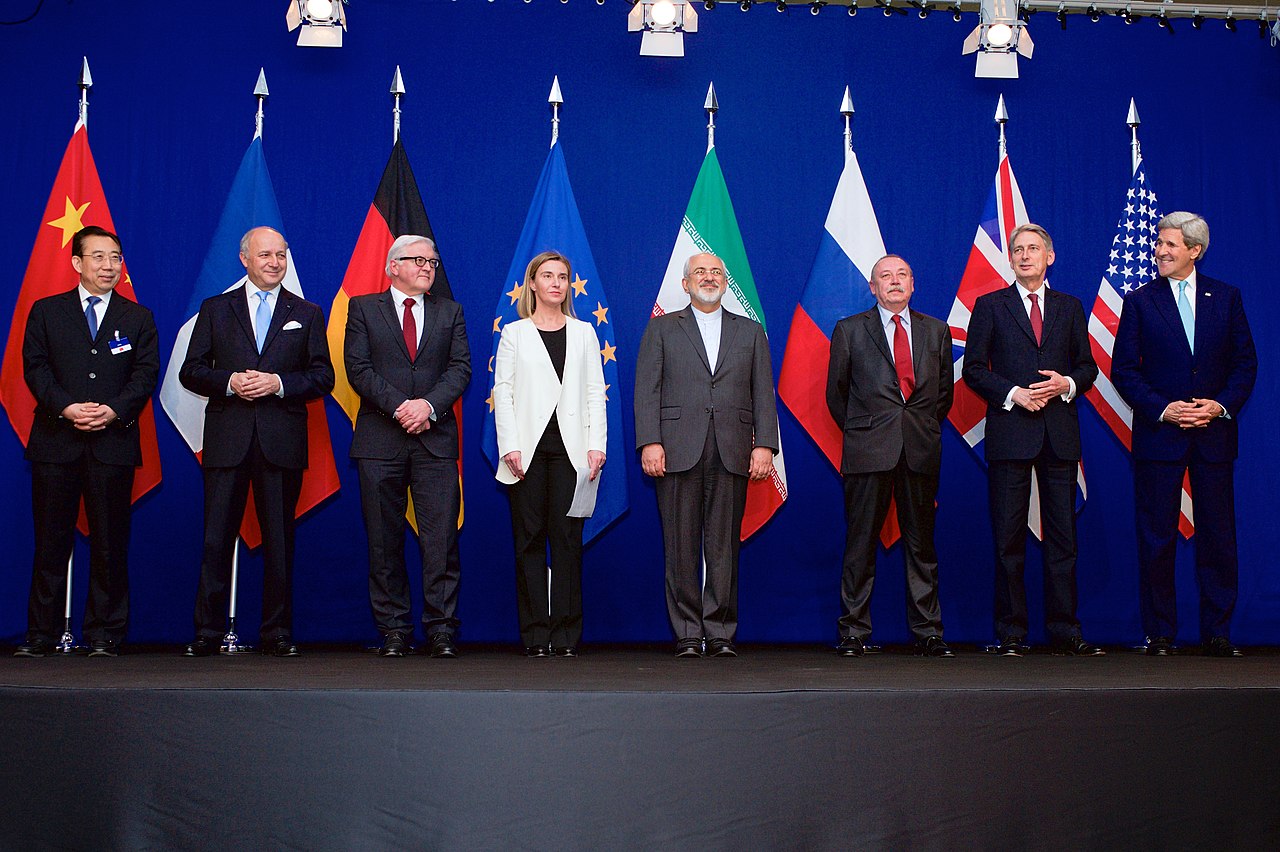
Reports of an emerging deal with Iran present an opportunity to de-escalate tensions and prioritize diplomacy over military conflict, yet the lack of specific details is deeply troubling. The absence of transparency about the agreement's finalization and implementation timeline raises serious concerns about its potential impact, particularly on the vulnerable populations both within Iran and across the region.
For working families already struggling with economic hardship and instability, the uncertainty surrounding this deal amplifies existing anxieties. Will the agreement alleviate sanctions that disproportionately affect ordinary Iranians? Will it pave the way for increased economic cooperation and investment, or will it perpetuate existing inequalities and further marginalize vulnerable communities?
Historically, sanctions have been a blunt instrument, often harming the very people they are intended to help. While sanctions are intended to pressure governments, their impact often falls hardest on ordinary citizens, limiting access to essential goods and services, and exacerbating economic hardship. Any agreement with Iran must prioritize the well-being of the Iranian people and ensure that the benefits of diplomacy are shared equitably.
Moreover, the lack of clarity surrounding the deal's implementation mechanisms raises questions about accountability and oversight. Will there be robust measures to ensure that all parties comply with the agreement's terms? Will there be independent monitoring to verify compliance and prevent violations? Without clear and transparent procedures, the deal risks being undermined by mistrust and suspicion.
The international community must demand greater transparency from all parties involved in the negotiations. The details of the agreement should be made public, allowing for informed debate and scrutiny. Civil society organizations, human rights groups, and experts should be consulted to ensure that the agreement reflects the values of justice, equality, and human dignity.
Furthermore, any agreement with Iran must address the underlying causes of the conflict. This includes addressing Iran's legitimate security concerns, promoting regional dialogue and cooperation, and tackling the root causes of instability and extremism. A lasting peace requires a comprehensive approach that addresses the political, economic, and social dimensions of the conflict.
The potential consequences of a failed agreement are dire. Further escalation of tensions could lead to military conflict, with devastating consequences for the region and the world. It is imperative that all parties act responsibly and prioritize diplomacy over confrontation. The international community must seize this opportunity to build a more peaceful and just future for the Middle East.
The path to peace is not easy, but it is the only path that offers hope for a better future. By prioritizing diplomacy, transparency, and social justice, we can build a more equitable and sustainable world for all. The emerging deal with Iran presents an opportunity to advance these goals, but only if we demand greater accountability and transparency from all parties involved.