Iran Strikes US Base in Bahrain, Highlighting Cycle of Escalation and Need for Diplomacy
Following alleged US-Israeli attacks in Iran, the retaliatory strike underscores the human cost of ongoing conflict and the urgent need for de-escalation and diplomatic solutions.

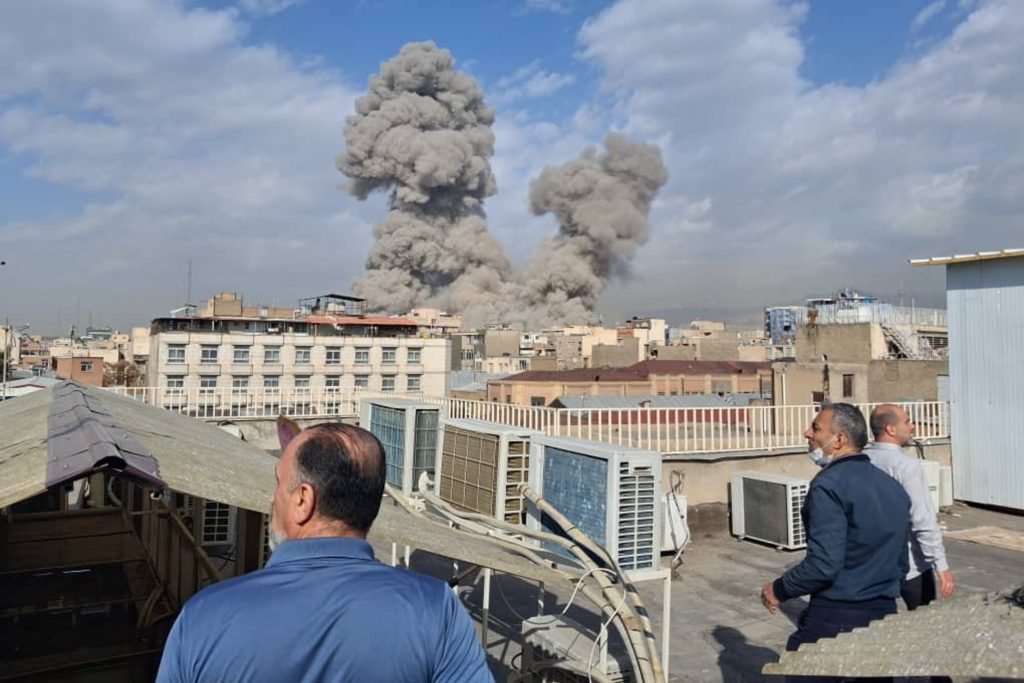
Bahrain – An Iranian strike on a US military base in Bahrain, a direct response to alleged US-Israeli attacks within Iran, marks a dangerous escalation in the region, exacerbating the already dire humanitarian situation and underscoring the need for a shift away from military intervention and towards diplomacy.
The attack on the base, while condemned, must be contextualized within the broader history of US intervention in the Middle East. Decades of military involvement, including the 2003 invasion of Iraq and continued support for authoritarian regimes, have destabilized the region and fueled resentment towards the US and its allies.
The alleged US-Israeli attacks within Iran, details of which remain shrouded in secrecy, further contribute to this cycle of violence. These actions, often justified under the guise of national security, disproportionately impact civilian populations and undermine international law.
Bahrain, a small island nation with a history of human rights abuses, serves as a crucial hub for US military operations in the region. The presence of a major US naval base in Bahrain raises concerns about the country's complicity in US foreign policy and its impact on the local population.
The attack on the US base highlights the human cost of conflict. While casualty figures are not yet available, it is crucial to remember that all victims of violence, regardless of their nationality or affiliation, deserve our compassion and solidarity.
The ongoing tensions in the Gulf region disproportionately affect marginalized communities. Economic sanctions imposed on Iran, while intended to pressure the government, have had a devastating impact on the Iranian people, leading to widespread poverty and food insecurity.
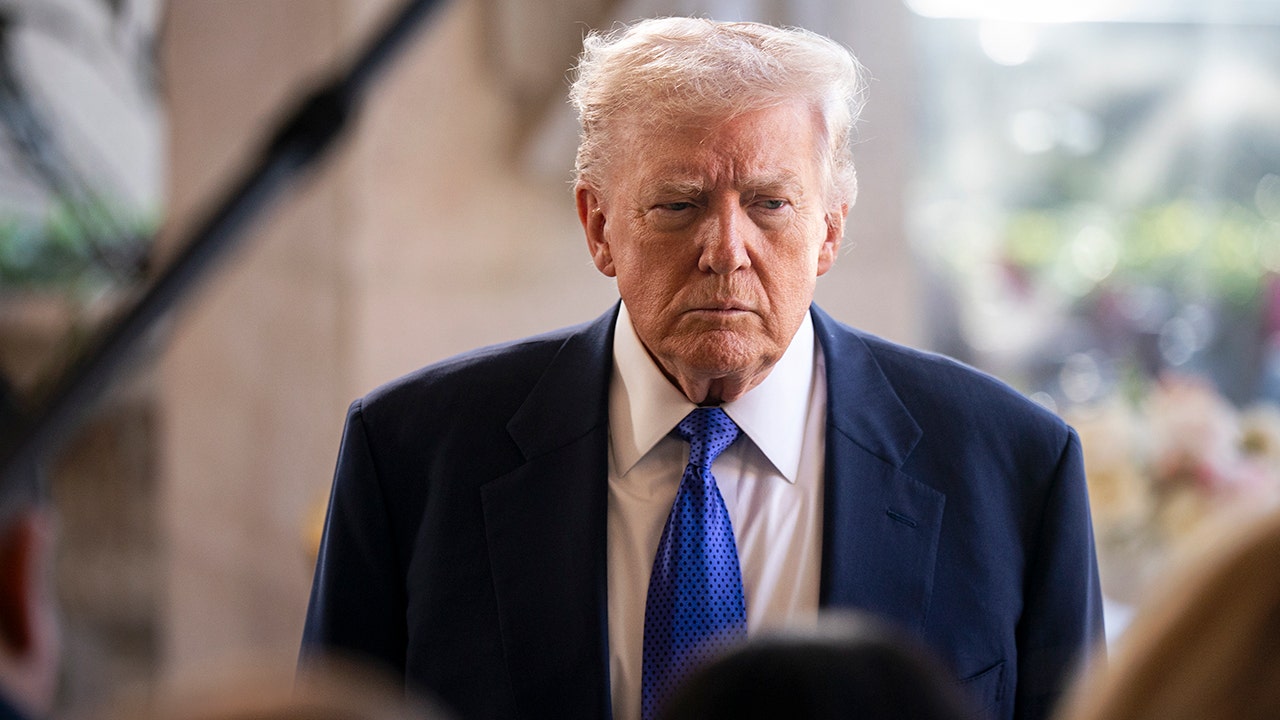
The international community must prioritize de-escalation and pursue diplomatic solutions to the conflict. A return to the Iran nuclear deal, which was unilaterally abandoned by the Trump administration, could provide a pathway to reducing tensions and promoting regional stability.
The attack also raises questions about the effectiveness of current US foreign policy. A reliance on military intervention and regime change has consistently failed to achieve its stated goals and has instead exacerbated conflict and instability.
The United States must adopt a new approach to the Middle East, one that prioritizes diplomacy, human rights, and international cooperation. This requires engaging with all stakeholders, including Iran, and addressing the root causes of conflict.
The attack on the US base in Bahrain is a stark reminder of the urgent need for a more just and peaceful world. We must work together to dismantle the systems of oppression and exploitation that fuel conflict and violence.
The pursuit of peace requires a commitment to social justice and economic equality. By addressing the underlying inequalities that drive conflict, we can create a more sustainable and equitable future for all.
Only through dialogue, understanding, and a commitment to human rights can we break the cycle of violence and build a more peaceful and just world.