Iran War Drives Petrol Prices to $4, Hurting Working Families
Soaring fuel costs exacerbate economic inequality, disproportionately impacting low-income communities and essential workers.
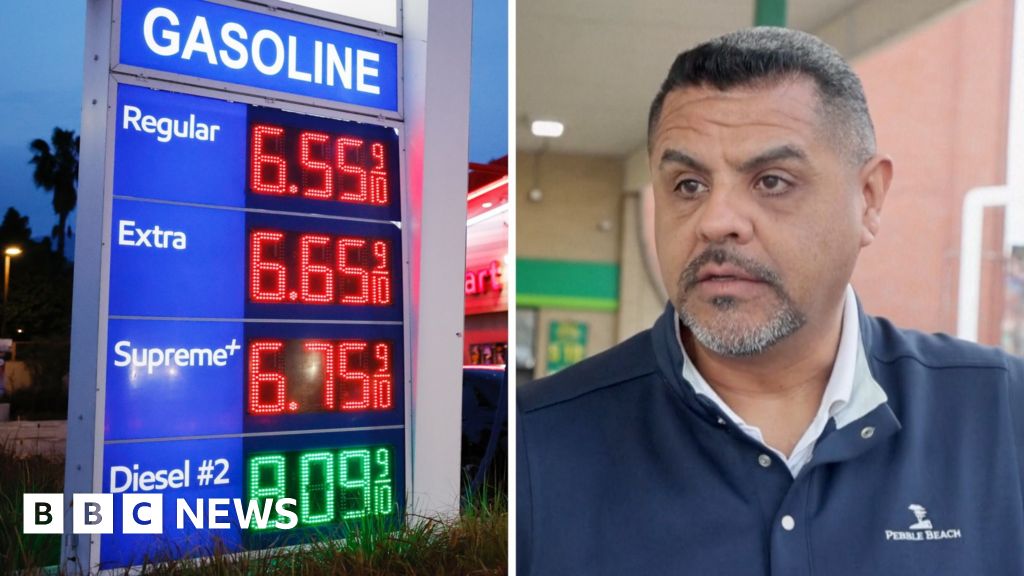
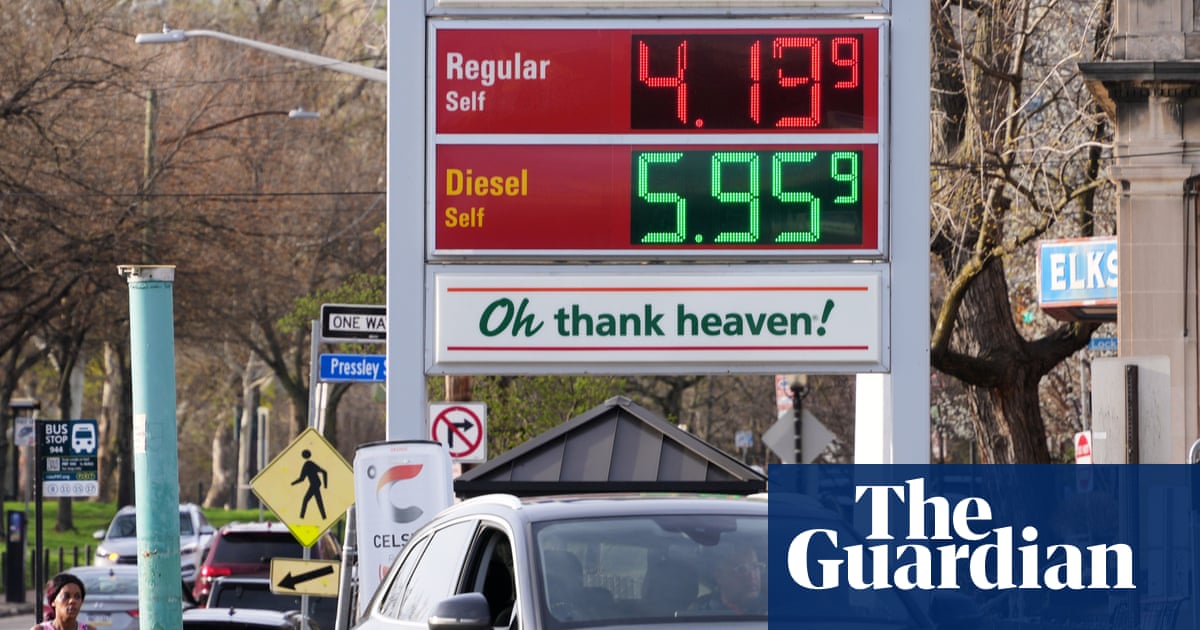
The average price of petrol in the United States has surged past $4 a gallon, a level not seen since 2022, as the war in Iran continues to destabilize global energy markets. This spike in prices places a significant burden on working families, particularly those in low-income communities who rely on personal vehicles for transportation to work, school, and essential services.
The rising cost of petrol acts as a regressive tax, disproportionately affecting those who can least afford it. While wealthier individuals may absorb the increased expenses, low-wage workers and families struggling to make ends meet are forced to make difficult choices between fueling their vehicles and purchasing other necessities like food and medicine.
The ongoing conflict in Iran highlights the interconnectedness of global politics and local economies. The reliance on fossil fuels exposes American consumers to the volatility of international markets and the geopolitical risks associated with unstable regions.
For many essential workers, such as nurses, delivery drivers, and service industry employees, driving is an unavoidable part of their job. Higher petrol prices directly reduce their take-home pay and increase their financial stress. This exacerbates existing inequalities and undermines efforts to promote economic justice.
Historically, periods of high petrol prices have been linked to increased financial hardship and reduced economic mobility for low-income families. The current situation threatens to reverse recent gains in poverty reduction and widen the gap between the rich and the poor.
Addressing the root causes of high petrol prices requires a multifaceted approach. Investing in renewable energy sources, expanding public transportation options, and promoting energy efficiency can help reduce reliance on fossil fuels and mitigate the impact of future price shocks.
Furthermore, policies that protect consumers from price gouging and ensure fair access to affordable energy are essential. Government intervention may be necessary to stabilize prices and prevent corporations from profiting excessively from the current crisis.
The situation also underscores the need for a more equitable distribution of wealth and resources. Strengthening social safety nets, raising the minimum wage, and expanding access to affordable healthcare can help buffer the impact of economic shocks on vulnerable populations.
The human cost of high petrol prices is often overlooked in economic analyses. The stress, anxiety, and financial hardship experienced by working families deserve greater attention and consideration in policy debates.
Ultimately, creating a more just and sustainable energy system requires a fundamental shift away from fossil fuels and towards a more equitable and environmentally responsible economy. The current crisis serves as a stark reminder of the urgent need for action.