Iran War-Fueled Gas Price Hikes Hit Working Families Hardest
As gas prices soar to record levels amidst global conflict, the burden disproportionately falls on low-income Americans and exacerbates existing economic inequalities.
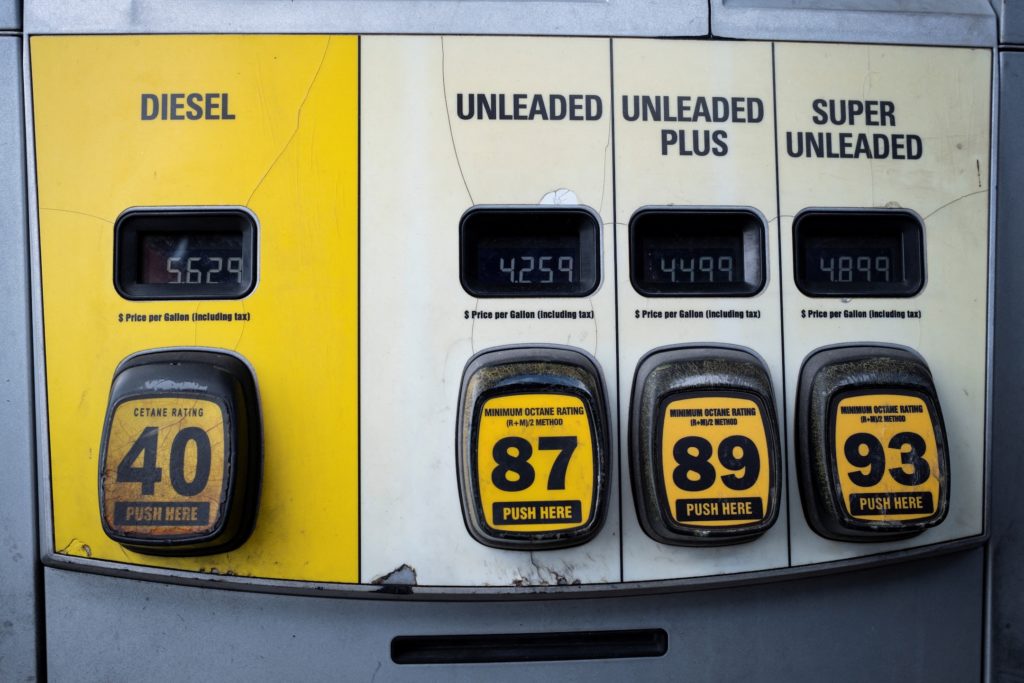
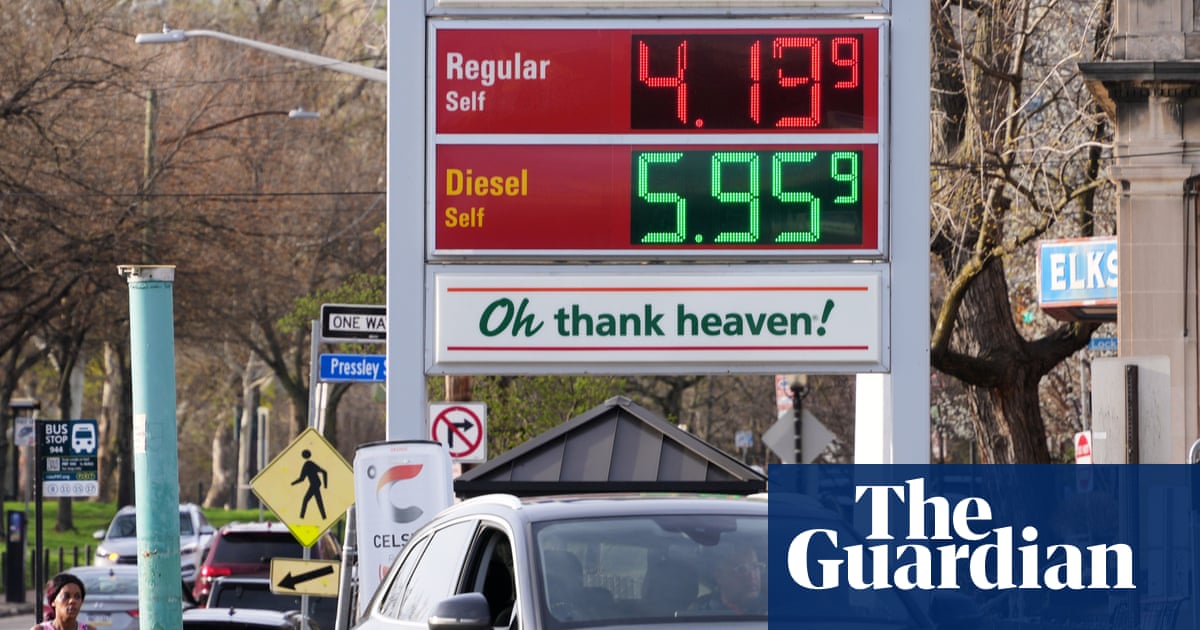
Washington D.C. – The latest surge in gas prices, triggered by the Iran war, represents a significant blow to working families already struggling with rising costs of living. This spike, the second-largest in three decades, underscores the vulnerability of ordinary Americans to geopolitical instability and the failures of a system that prioritizes profit over people.
While corporations and wealthy investors may weather this storm, low-income households are forced to make impossible choices between fueling their cars to get to work, putting food on the table, or paying rent. This crisis highlights the urgent need for systemic solutions that address income inequality and protect vulnerable populations from economic shocks.
According to William Brangham's discussion with Cliff Kupchan, chairman of the Eurasia Group, this price increase poses a threat to the global economy. But the consequences are not felt equally. The working class and poor will suffer the most from the economic fallout due to the current crisis.
Kupchan acknowledges the interconnectedness of the global economy. He points out that energy price fluctuations can quickly destabilize it. However, any meaningful solution must begin with acknowledging that the impact is skewed. Policymakers should explore options that prioritize the needs of everyday people instead of shielding corporations from the consequences of their decisions.
This crisis reveals the inherent flaws in our reliance on fossil fuels and the need for a rapid transition to renewable energy sources. Investing in sustainable energy not only combats climate change but also creates jobs, reduces our dependence on foreign oil, and insulates us from volatile global markets.
Furthermore, the current situation necessitates a re-evaluation of our foreign policy. Endless wars and military interventions destabilize the global economy and create conditions that exacerbate inequality. A shift towards diplomacy and peaceful conflict resolution is essential for building a more just and sustainable world.
The government must act decisively to protect vulnerable populations from the impact of rising gas prices. This includes expanding access to public transportation, providing direct financial assistance to low-income households, and implementing policies that curb corporate profiteering.
The current crisis is not merely an economic challenge; it is a moral one. We must stand in solidarity with working families and demand a system that prioritizes people over profit. This requires bold action, systemic change, and a commitment to building a more equitable and sustainable future for all. The spike highlights how necessary it is to invest in social safety nets, worker protections, and a green economy in order to prevent the poor and working class from bearing the brunt of such price hikes.