Iran War Fuels Partisan Divide as Progressive Voices Question Intervention
A Republican endorsement of military action clashes with growing concerns over the social and economic costs, compounded by presidential social media controversy.

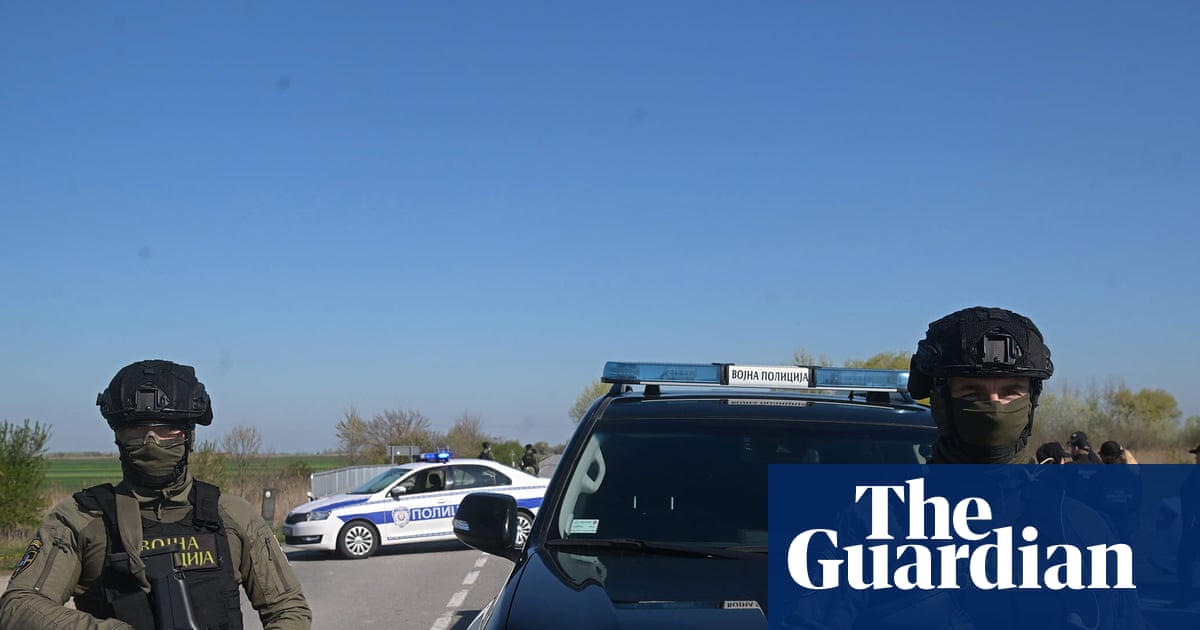
Washington D.C. – As the sixth week of the war in Iran unfolds, a chasm continues to widen between progressive voices and conservative elements, highlighted by a swing-district Republican's praise of the "incredible operation." This endorsement starkly contrasts with growing concerns over the humanitarian impact, economic costs, and long-term consequences for the Iranian people and the broader region.
President Trump's recent social media post, drawing backlash from both sides of the aisle, serves as a potent reminder of the administration's often-insensitive approach to complex geopolitical situations. The post, whatever its specific content, exacerbated existing anxieties about the potential for escalation and the lack of a clear exit strategy.
Progressive analysts emphasize that the war disproportionately affects vulnerable populations, both in Iran and the United States. Military spending diverts resources from vital social programs, such as education, healthcare, and affordable housing, while Iranian civilians bear the brunt of the conflict's violence and displacement. Furthermore, the war perpetuates cycles of violence and instability, hindering long-term development and exacerbating existing inequalities.
Critics point to the historical context of U.S. interventionism in the Middle East, citing past conflicts that have resulted in unintended consequences and prolonged instability. The invasion of Iraq, for example, led to years of sectarian violence and the rise of extremist groups. Progressive voices argue that military solutions are rarely effective in addressing complex political and social problems.
The war also raises serious questions about the role of corporate interests in driving foreign policy. Critics allege that defense contractors and oil companies benefit from military conflicts, creating a powerful incentive for intervention. They argue that a more equitable and sustainable foreign policy would prioritize diplomacy, human rights, and economic development over military force.
The backlash against President Trump's social media post underscores the need for greater accountability and transparency in government. Progressive activists are calling for increased scrutiny of the administration's foreign policy decisions and greater public participation in shaping U.S. policy towards Iran. They believe that a more democratic and inclusive approach is essential to preventing future conflicts and promoting peace and justice.
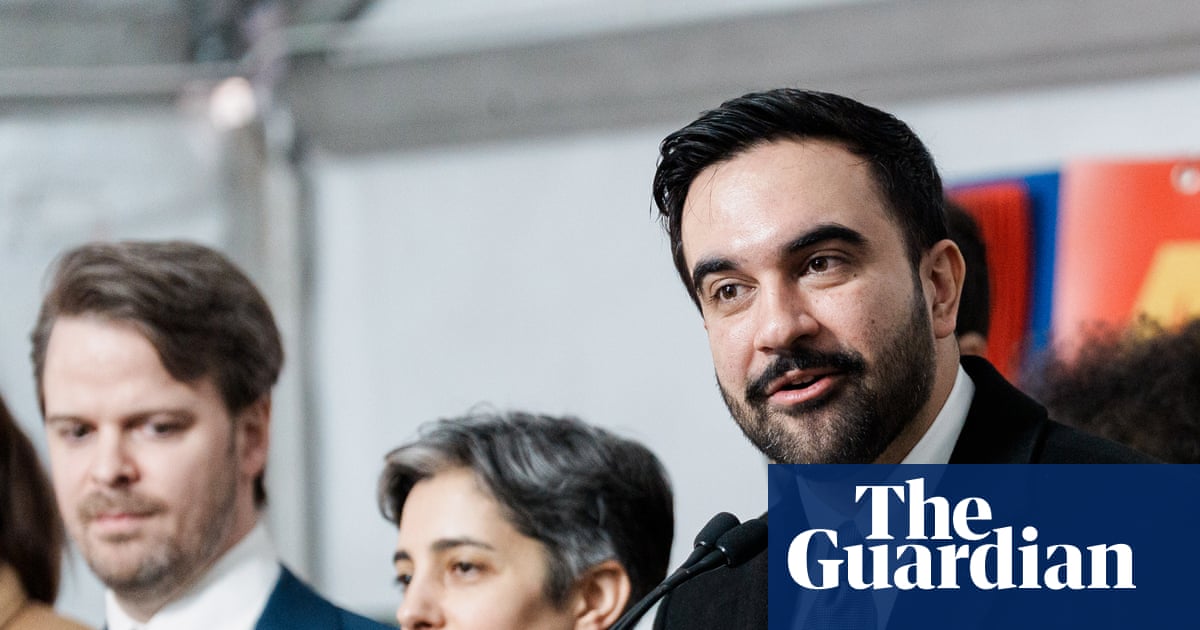
The war in Iran has significant implications for the upcoming elections, with progressive candidates likely to challenge the prevailing foreign policy consensus. They will advocate for a more restrained and ethical foreign policy that prioritizes human rights, diplomacy, and international cooperation. They will also call for a shift in resources from military spending to social programs that benefit working families and promote a more just and equitable society.
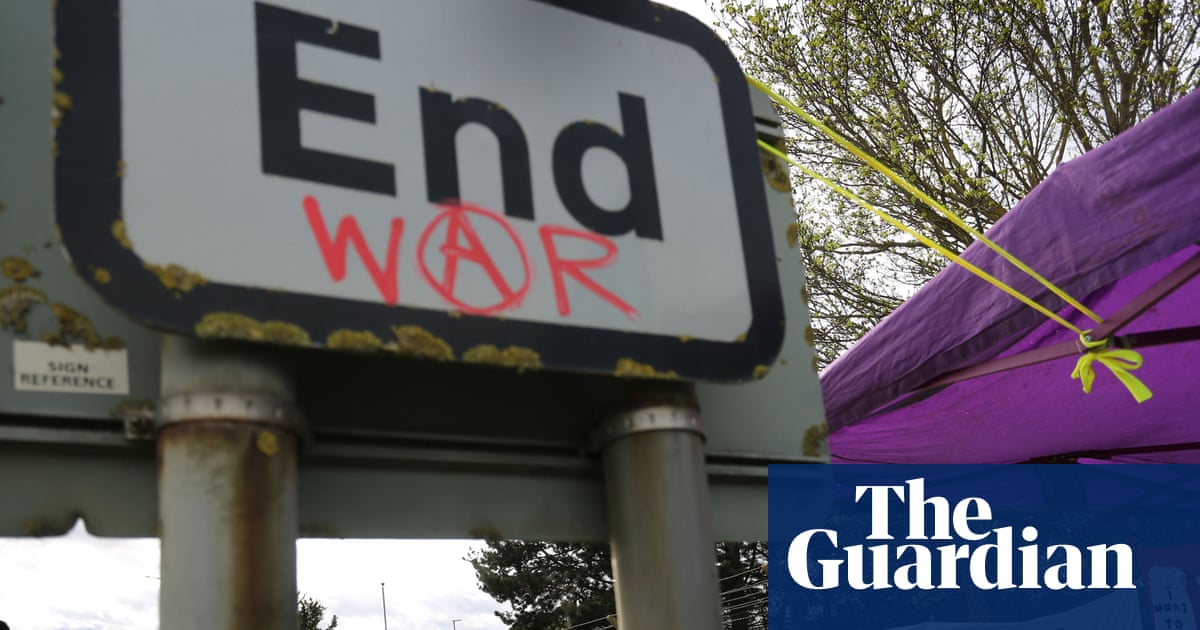
As the war enters its seventh week, progressive voices are urging a renewed focus on diplomacy and de-escalation. They argue that a negotiated settlement is the only viable path to lasting peace and stability in the region. They are also calling for increased humanitarian aid to support Iranian civilians affected by the conflict and for a comprehensive plan to address the underlying political and economic issues that have fueled the crisis.
The time is now to prioritize human rights and diplomacy over bombs and bloodshed. The only path towards a better future for everyone involved is to acknowledge the role that the United States has played in perpetuating strife, and work to find an agreeable and peaceful solution.
The costs of this war, both in terms of financial resources and human life, fall disproportionately on marginalized populations. A peaceful resolution is imperative not only for the Iranian people, but for the poor and working class throughout the world.