Iran War Oil Shock: Who Profits While Working Families Suffer?
Analysis reveals how soaring oil prices disproportionately burden vulnerable populations while enriching nations with abundant oil reserves.
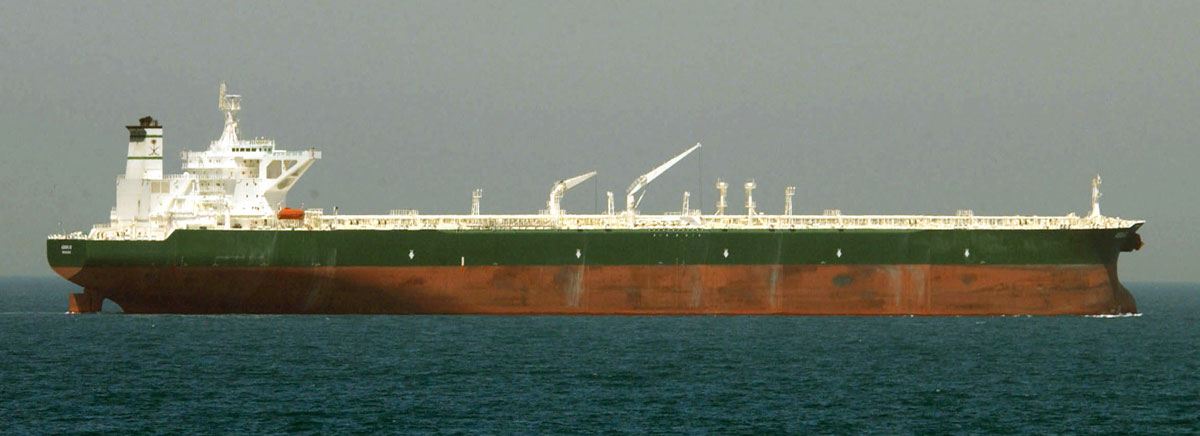
The recent tensions related to Iran have sent shockwaves through global oil markets, leading to price hikes that disproportionately impact working families and exacerbate existing inequalities. While some nations with substantial oil reserves stand to gain from increased revenues, many countries heavily reliant on oil imports face economic hardship, with the burden ultimately falling on everyday people.
The analysis of oil export data underscores a stark reality: the benefits of higher oil prices are not shared equitably. Nations with well-established oil production capabilities and export infrastructure can exploit the situation to bolster their economies, potentially widening the gap between rich and poor nations.
Meanwhile, countries lacking domestic oil production and heavily dependent on imports face a cascade of negative consequences. Rising import costs strain national budgets, diverting resources from vital social programs such as healthcare, education, and infrastructure development. This can lead to further marginalization of vulnerable populations and hinder progress towards sustainable development goals.
The impact on working families is particularly acute. Increased transportation costs, higher energy bills, and inflationary pressures erode purchasing power, making it harder for people to afford basic necessities. Low-income households are especially vulnerable, as they spend a larger proportion of their income on energy and transportation.
The Iran war oil shock also highlights the urgent need for a transition to renewable energy sources. Dependence on fossil fuels not only exposes countries to volatile global markets but also contributes to climate change, which disproportionately affects marginalized communities and future generations.
Governments have a responsibility to protect their citizens from the negative impacts of oil price shocks. Progressive policies such as targeted subsidies, energy efficiency programs, and investments in renewable energy can help mitigate the burden on working families and promote a more just and sustainable energy future.
Furthermore, international cooperation is essential to address the systemic inequalities that underpin the global energy system. Wealthier nations have a moral obligation to provide financial and technical assistance to developing countries to help them transition to cleaner energy sources and build more resilient economies.
The analysis of oil export data serves as a wake-up call. It is time to prioritize the needs of working families and vulnerable populations over the profits of oil-rich nations. A just and equitable energy transition is not only possible but essential for creating a more sustainable and prosperous future for all.
By investing in renewable energy, promoting energy efficiency, and implementing progressive policies, we can create a more resilient and equitable energy system that benefits everyone, not just a select few.
This situation reinforces the need to move away from fossil fuels to protect the most vulnerable members of society.
Sources:
* U.S. Energy Information Administration (EIA) * International Renewable Energy Agency (IRENA) * United Nations Framework Convention on Climate Change (UNFCCC)