LIRR Workers Strike for Fair Wages, Leaving Commuters Stranded: A Fight for Economic Justice
Long Island Rail Road workers are striking for a livable wage, exposing the MTA's refusal to invest in its workforce and the communities they serve.
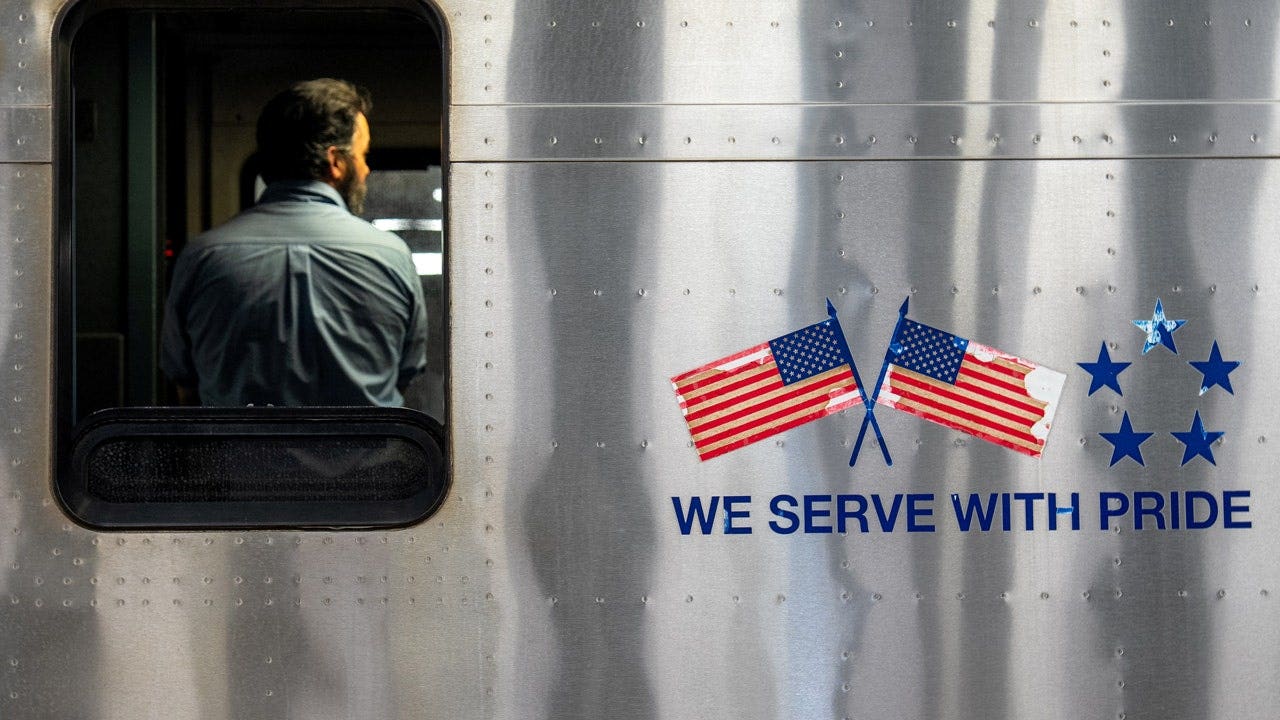
Long Island Rail Road (LIRR) workers have taken the drastic step of striking, halting service for 330,000 commuters, as they fight for a fair contract that reflects the rising cost of living and the essential role they play in keeping the region moving. This work stoppage highlights the growing struggle for economic justice faced by working-class families and the urgent need for corporations and public entities to prioritize workers' well-being over profits and austerity measures.
At 12:01 a.m. Saturday, five unions representing approximately 3,700 LIRR employees, including ticket clerks, locomotive engineers, signalmen, electricians, and machinists, walked off the job after negotiations with the Metropolitan Transportation Authority (MTA) stalled over a proposed fourth-year wage increase. The workers are demanding a 5% raise to keep pace with inflation and the increasing demands of their jobs, while the MTA claims it cannot afford this increase without raising fares on already overburdened commuters.
However, critics argue that the MTA's stance is disingenuous and that the agency has a history of prioritizing capital projects and executive compensation over investing in its workforce. They point to the exorbitant salaries paid to MTA executives and the billions spent on projects like the East Side Access project as evidence of misplaced priorities. The workers, who have been working tirelessly to keep the LIRR running, deserve a fair contract that recognizes their contributions and provides them with the economic security they need to support their families.
Kevin Sexton, national vice president of the Brotherhood of Locomotive Engineers and Trainmen, expressed regret for the disruption but emphasized the necessity of the strike. "We’re far apart at this point," Sexton said. "We are truly sorry that we are in this situation." This sentiment underscores the difficult decision faced by workers who are forced to withhold their labor to demand better treatment from their employers.
MTA Chairman Janno Lieber's claim that the agency "gave the union everything they said they wanted in terms of pay" is a blatant attempt to undermine the workers' demands and paint them as greedy. Such rhetoric ignores the fact that workers are simply asking for a fair share of the economic pie and the ability to maintain their standard of living in an increasingly expensive region.
New York Gov. Kathy Hochul's characterization of the strike as "reckless" and "unacceptable" further demonstrates the disconnect between elected officials and the struggles of working-class families. Instead of siding with the MTA, Hochul should be advocating for a fair resolution that prioritizes the needs of the workers and the communities they serve.
The LIRR strike is not an isolated incident but rather a symptom of a larger crisis of economic inequality and the erosion of workers' rights. For decades, wages have stagnated while corporate profits have soared, leaving working families struggling to make ends meet. Unions play a vital role in fighting for fair wages, safe working conditions, and economic security for all workers.
The outcome of the LIRR strike will have significant implications for the future of labor relations in New York and beyond. If the workers succeed in winning a fair contract, it will send a powerful message to other employers that they cannot continue to exploit their workers and that workers have the power to demand better. Conversely, if the MTA succeeds in breaking the strike, it will embolden other employers to suppress wages and undermine workers' rights. The strike serves as a reminder of the importance of standing in solidarity with workers who are fighting for economic justice and a more equitable society. The disruption caused by the strike is unfortunate, but the fight for fair wages and decent working conditions is a just cause that deserves support. The MTA must recognize the value of its workforce and come to the table with a genuine commitment to reaching a fair and equitable agreement.