Iran War Threatens Livelihoods Tied to Ancient Resin Trade
Centuries of cultural exchange and economic stability are jeopardized by conflict, disproportionately impacting vulnerable communities.
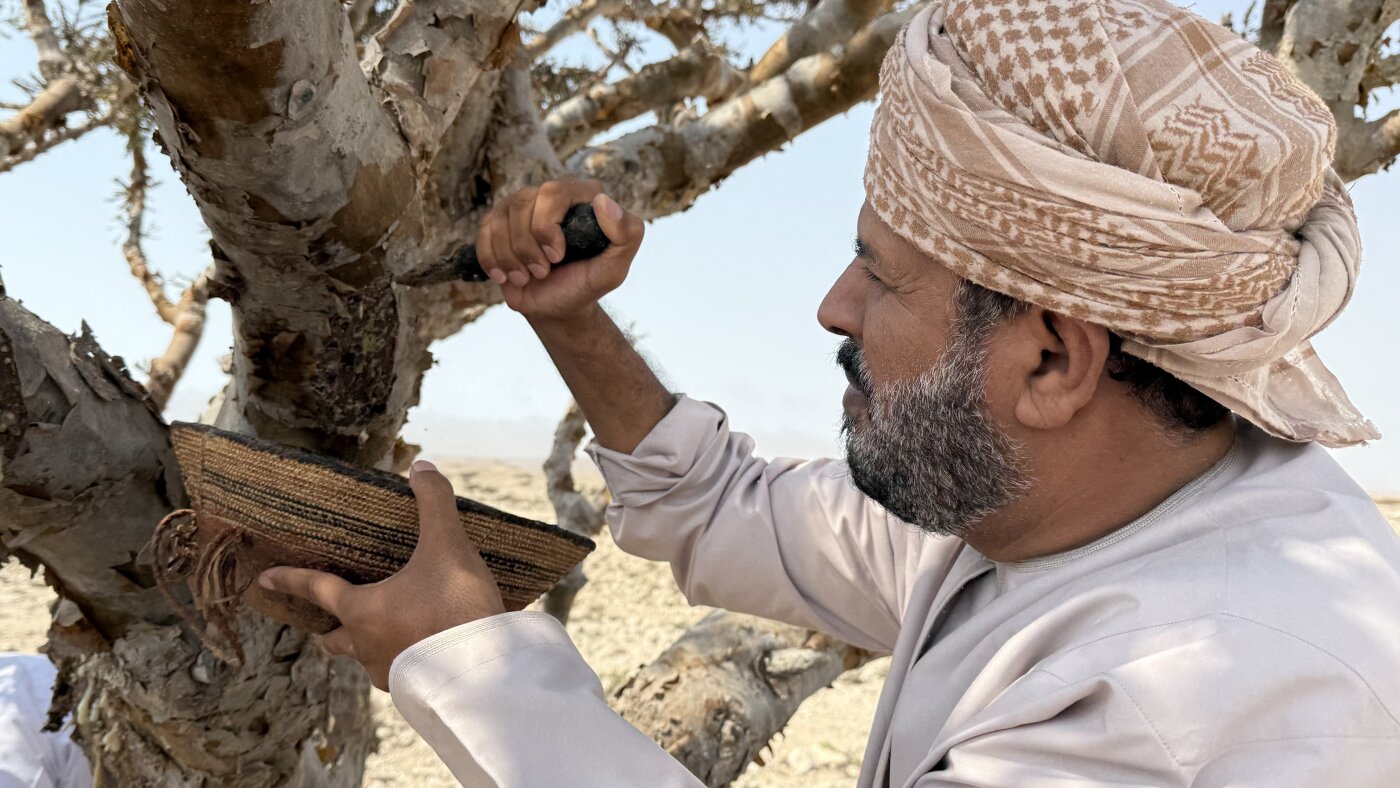
The ongoing conflict involving Iran is not only a geopolitical crisis, but also a profound humanitarian one, with far-reaching consequences for vulnerable communities dependent on the ancient resin trade. This centuries-old practice, more than just commerce, has fostered cultural exchange and provided livelihoods for countless individuals across generations. Now, these communities face an uncertain future as the conflict disrupts trade routes and destabilizes economies. The specific resin in question, while not explicitly named, represents a tangible link to the past and a source of economic stability for many. The disruption of its trade exposes the fragility of global supply chains and the disproportionate impact of conflict on marginalized populations. The increased transportation costs and risks associated with navigating conflict zones place undue burden on small-scale producers and traders, often forcing them to shoulder the costs of war. This creates a cycle of poverty and instability, further exacerbating existing inequalities. The historical context of the resin trade highlights the importance of cultural preservation and the need to protect traditional livelihoods. For centuries, this trade has facilitated the exchange of goods and ideas, contributing to the rich tapestry of human civilization. The conflict threatens to unravel these long-standing relationships and erode the cultural heritage associated with the trade. The international community has a responsibility to mitigate the negative impacts of the conflict and ensure that vulnerable communities receive the support they need to weather this crisis. This includes providing humanitarian aid, promoting sustainable economic development, and working towards a peaceful resolution of the conflict. The focus must be on empowering local communities and ensuring that they have a voice in shaping their own future. Ignoring the plight of those affected by the disruption of the resin trade is a moral failure. The conflict serves as a stark reminder of the human cost of war and the urgent need for diplomacy and conflict resolution. Prioritizing human needs and promoting sustainable development are essential steps towards building a more just and equitable world. The current situation is a call to action, demanding a commitment to social justice and the protection of vulnerable populations in the face of global conflict. The long-term consequences of this disruption will be felt for generations to come, underscoring the urgency of addressing the root causes of conflict and promoting sustainable peace.