Venezuela's Mining Law: A Gamble on Foreign Capital at the Expense of Local Communities?
The new legislation, following a similar move in the oil sector, raises concerns about environmental impact and equitable distribution of wealth.
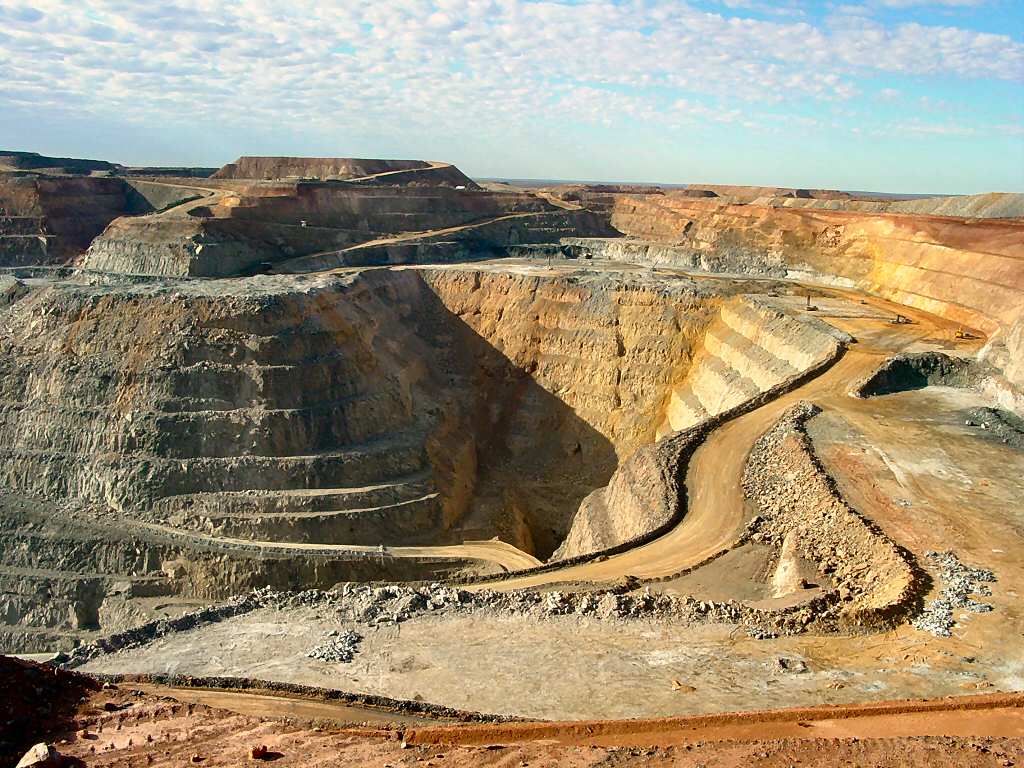
CARACAS – Venezuela's latest attempt to revitalize its struggling economy through foreign investment, this time in the mining sector, has sparked debate about the potential social and environmental costs.
Following a recent law designed to open up the oil sector to foreign companies, Venezuelan lawmakers have now approved legislation aimed at attracting foreign capital to the country's mining industry. This move raises crucial questions about who will benefit from this new economic strategy and at what cost.
Venezuela's economic crisis has undoubtedly created immense hardship for its people. Hyperinflation, shortages of essential goods, and a decline in oil production have left many Venezuelans struggling to survive. The government argues that foreign investment is essential to jumpstart the economy and alleviate poverty.
However, critics argue that simply opening up key sectors to foreign companies without strong regulatory oversight risks exacerbating existing inequalities and harming vulnerable communities. The oil sector law, for example, has been criticized for potentially prioritizing profit over environmental protection and labor rights.
The mining sector, with its potential for environmental degradation and displacement of local populations, demands even greater scrutiny. Indigenous communities and rural populations are particularly vulnerable to the negative impacts of mining, including water contamination, deforestation, and forced relocation.
Moreover, the history of resource extraction in Latin America is rife with examples of foreign companies exploiting natural resources while leaving little benefit for local populations. Ensuring that the benefits of mining are shared equitably and that the environment is protected requires strong regulations and effective enforcement.
Concerns remain about the transparency and accountability of the new law. Will local communities have a voice in decisions that affect their lives and livelihoods? Will environmental impact assessments be conducted rigorously and independently? Will the government ensure that foreign companies adhere to international labor standards?
The government must prioritize the well-being of its citizens and the protection of the environment. This requires a commitment to social justice, environmental sustainability, and democratic governance. Simply attracting foreign investment is not enough; the benefits must be shared equitably, and the costs must not fall disproportionately on vulnerable communities.
The law's impact will depend on how it is implemented. A transparent and participatory process, with strong environmental and social safeguards, is essential to ensure that the mining sector contributes to sustainable development and benefits all Venezuelans.
The international community, including human rights organizations and environmental groups, must closely monitor the implementation of the mining law and hold the Venezuelan government accountable for upholding its commitments to protect its citizens and the environment.
This new law presents both an opportunity and a challenge. The opportunity to generate much-needed revenue and create jobs, but also the challenge of ensuring that these benefits are shared equitably and that the environment is protected. The choices made in the coming months will determine whether this law becomes a catalyst for sustainable development or a source of further social and environmental harm.
Ultimately, the success of this law will be judged not by the amount of foreign investment it attracts, but by its impact on the lives of ordinary Venezuelans and the health of the environment.