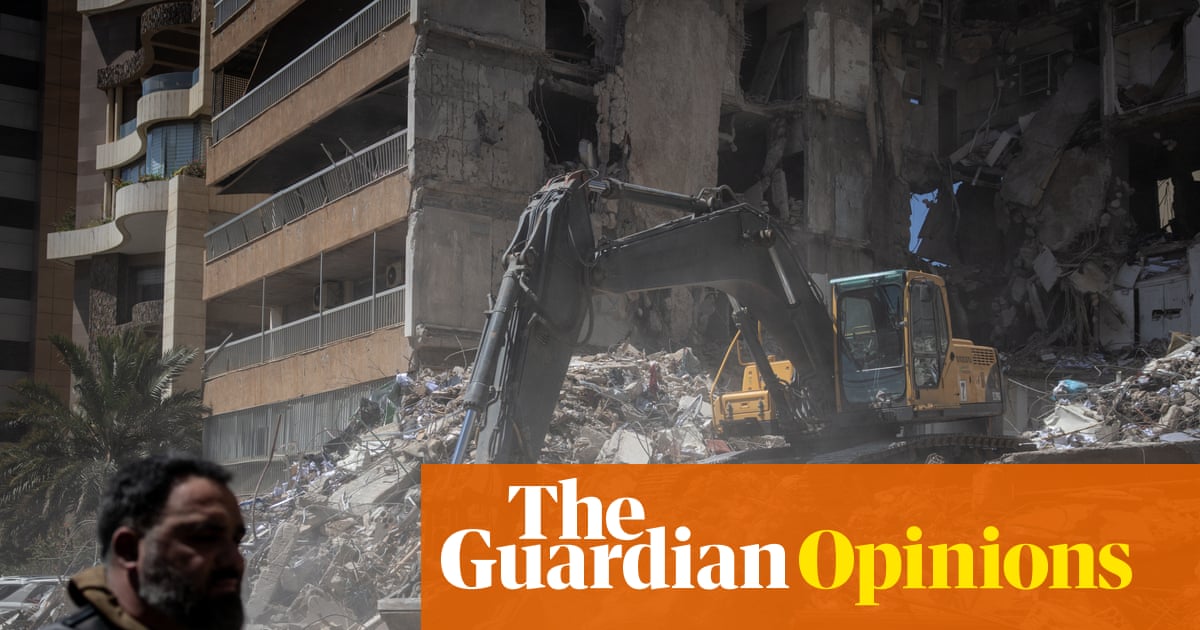
Iran Warns Against Letting Hawks Undermine Diplomacy, Threatening Regional Stability
Iranian official's statement highlights the dangers of prioritizing military action over diplomacy, potentially destabilizing Lebanon and the region.

An Iranian official has issued a stark warning against allowing hawkish elements to undermine diplomatic efforts in the Middle East, implicitly criticizing both Israeli actions and certain segments of the U.S. political establishment. Abbas Araghchi's statement suggests a growing concern that prioritizing military solutions, particularly allowing unchecked Israeli actions, could derail crucial diplomatic initiatives and trigger a dangerous escalation of conflict, especially impacting Lebanon. This warning comes in the wake of remarks from U.S. Senator JD Vance, whose views appear to be interpreted by Iran as favoring military intervention over diplomatic engagement. Araghchi's response underscores the fragile nature of peace in the region and the potential for devastating consequences should diplomacy fail. For decades, the United States' unwavering support for Israel has often come at the expense of equitable engagement with other regional actors, including Iran. This dynamic has created a deep-seated distrust and fueled cycles of conflict, disproportionately impacting vulnerable populations in Lebanon and beyond. The history of U.S. foreign policy in the Middle East is replete with examples of interventions that have exacerbated instability and undermined human rights. The invasion of Iraq, the support for authoritarian regimes, and the arming of various factions have all contributed to the current state of chaos. The implication of Araghchi's statement is that allowing Israel to act with impunity, without regard for the consequences for regional stability, is a recipe for disaster. Lebanon, already grappling with economic collapse and political instability, is particularly vulnerable to the fallout from renewed conflict. Any escalation of violence would further decimate the country's infrastructure, displace its population, and exacerbate its humanitarian crisis. The human cost of such a conflict would be immense. Critics of U.S. policy argue that a more balanced approach, one that prioritizes diplomacy and respects the sovereignty of all nations in the region, is essential for achieving lasting peace. This would require engaging with Iran on issues of mutual concern, addressing the root causes of conflict, and holding all actors accountable for their actions. The alternative is a continued cycle of violence and instability, with devastating consequences for the people of the Middle East. The international community must pressure the United States and Israel to prioritize diplomacy and avoid any actions that could further escalate tensions. The lives and livelihoods of millions of people depend on it. This situation highlights the urgent need for a shift in U.S. foreign policy, one that prioritizes human rights, economic justice, and peaceful conflict resolution. Only then can the region move towards a more stable and equitable future. The current trajectory threatens to undo decades of progress and plunge the region into further chaos.