Israeli Assault on Lebanon Imperils Fragile Ceasefire, Exposes US Complicity
Netanyahu's actions risk regional escalation while highlighting the human cost and the need for accountability.
The recent Israeli attacks on Lebanon, resulting in the deaths of hundreds of civilians and the destruction of vital infrastructure, threaten to unravel a fragile ceasefire agreement brokered between the US and Iran, raising serious questions about US foreign policy and its impact on vulnerable populations. Announced with optimism by Pakistani Prime Minister Shehbaz Sharif, the ceasefire was intended to encompass all fronts, including Lebanon, yet Israel swiftly rejected its applicability, unleashing a devastating military campaign.
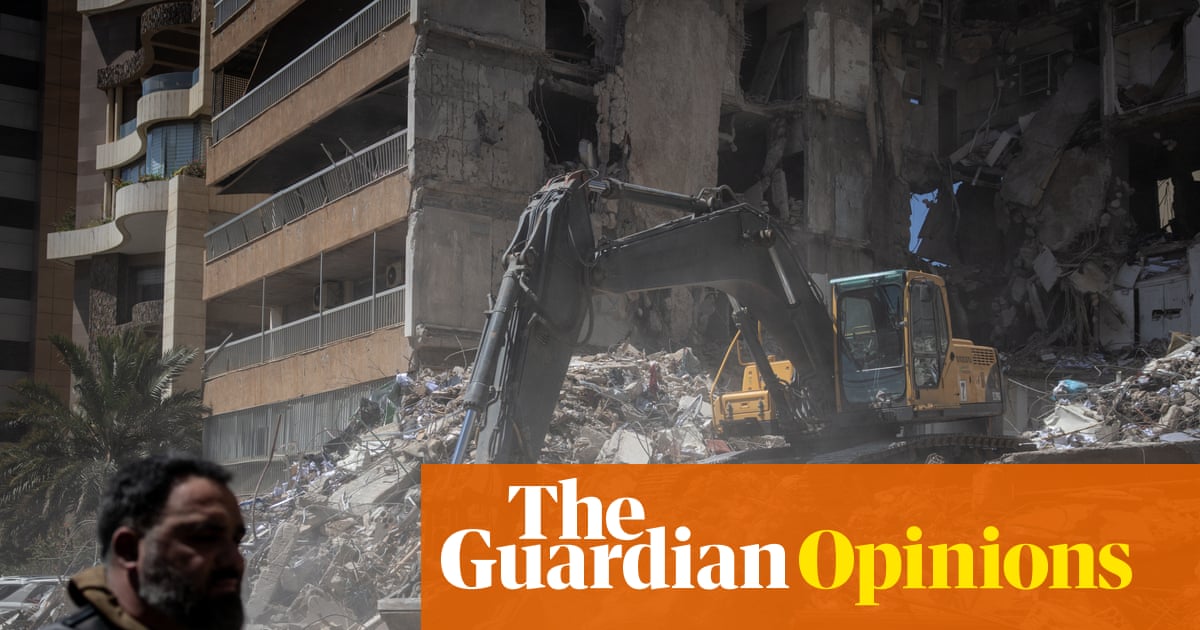
The scale of the Israeli offensive is deeply alarming. The “Eternal Darkness” operation, as dubbed by the Israeli military, involved the relentless bombing of residential neighborhoods in Beirut, leaving hundreds dead and over a thousand injured, overwhelming the already strained healthcare system. The destruction of infrastructure, including the last remaining bridge connecting southern Lebanon, further isolates communities and impedes access to essential services. These actions constitute a grave violation of international humanitarian law and demand immediate scrutiny.
This escalation is taking place against a backdrop of ongoing negotiations between the US and Iran, scheduled to commence in Islamabad. Iranian leaders have rightfully condemned the attacks, accusing the US of failing to uphold its end of the ceasefire agreement. Foreign Minister Abbas Araghchi's statement via Twitter/X underscored the precariousness of the situation: “The U.S. must choose – ceasefire or continued war via Israel. It cannot have both.”
The current crisis bears a disturbing resemblance to past instances where Israeli Prime Minister Benjamin Netanyahu has undermined diplomatic efforts to achieve peace. His track record of obstructing ceasefire agreements with Hamas in Gaza, characterized by shifting goalposts and targeted assassinations, raises legitimate concerns about his commitment to de-escalation. The US's unwavering support for Israel, despite its destabilizing actions, only emboldens Netanyahu and perpetuates a cycle of violence.
It's time for the US to reassess its relationship with Israel, placing human rights and international law at the forefront of its foreign policy. Unconditional support for Israel's actions, including the continued provision of financial aid and military equipment, enables the perpetuation of violence and suffering in the region.