Iranian Attack Exposes Vulnerabilities in Aging US Surveillance System, Raising Questions About Military Spending Priorities
The destruction of a critical US radar plane in Saudi Arabia highlights the need to reassess resource allocation towards preventative measures and diplomatic solutions rather than costly military interventions.
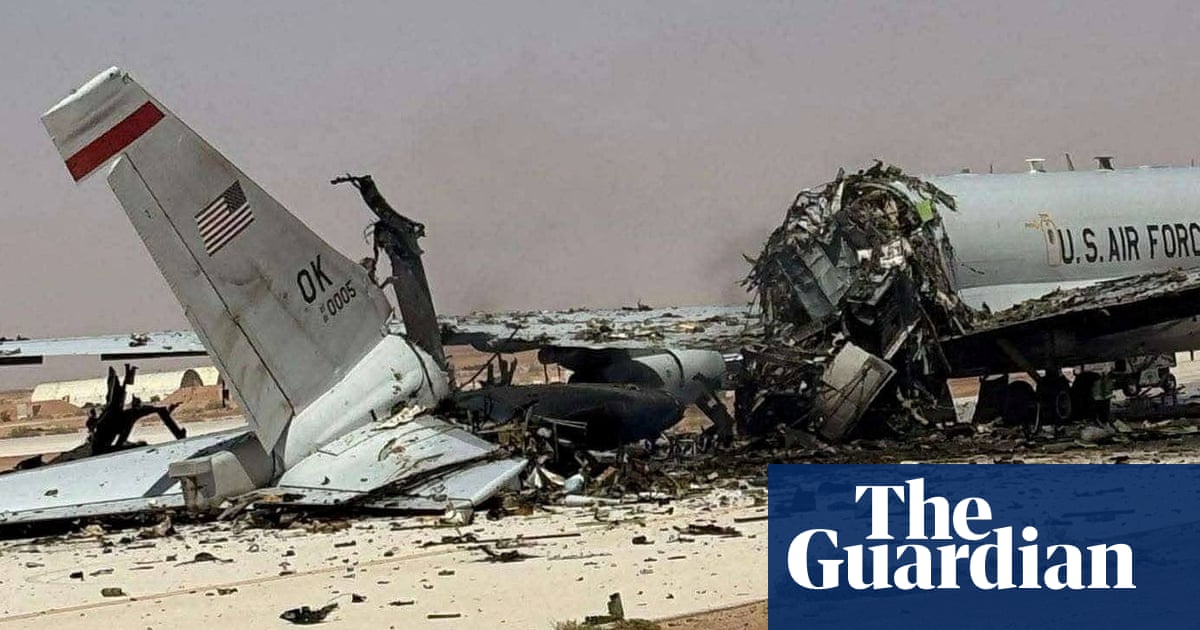
Prince Sultan Air Base, Saudi Arabia – The destruction of a U.S. E-3 Sentry aircraft in an Iranian strike on a Saudi Arabian airbase has exposed critical vulnerabilities in the nation's aging surveillance infrastructure, sparking renewed debate about military spending priorities and the human cost of ongoing conflict in the Middle East.
The E-3 Sentry, a decades-old aircraft designed to provide early warning of airborne threats, was struck on March 27, raising questions about the efficacy of current defense strategies and the human impact of such attacks, which resulted in injuries to US service members.
Critics argue that the incident underscores a systemic failure to adequately protect critical assets, especially considering the aircraft's known maintenance issues. Reports indicate a mission-capable rate of just 56% for the U.S. Air Force's E-3 fleet in 2024, suggesting a pattern of neglect and underinvestment in maintaining essential equipment.
Ukrainian President Volodomyr Zelenskyy’s claim that Russian satellite imagery preceded the attack adds another layer of complexity, raising concerns about international collaboration and the potential for escalation. The allegations of Russian intelligence sharing with Iran, though denied by Russia, point to a destabilizing geopolitical landscape.
The loss of the E-3 Sentry has profound implications for regional stability, potentially hindering efforts to de-escalate tensions and protect vulnerable populations. Heather Penney, a former F-16 pilot, rightly notes the importance of these aircraft for airspace management and threat detection, but the reliance on these older systems raises concerns about long term viability and security.
The incident also raises ethical questions about the U.S. military presence in Saudi Arabia, given the country's human rights record and its role in regional conflicts. Progressives argue that the U.S. should prioritize diplomatic solutions and humanitarian aid over military intervention, reducing the risk of further escalation and civilian casualties.
The attack has prompted calls for a comprehensive review of military spending priorities, with advocates urging for increased investment in preventative measures, cybersecurity, and diplomatic initiatives. Rather than pouring resources into costly and often ineffective military campaigns, the focus should be on addressing the root causes of conflict and promoting peace and stability through sustainable development and international cooperation.