Iranian Missile Strike Exposes Vulnerability of Israeli Industrial Workers, Fuels Regional Instability
The attack on a chemical plant near Beersheba raises concerns about worker safety and the potential for broader conflict, highlighting the need for de-escalation and diplomatic solutions.

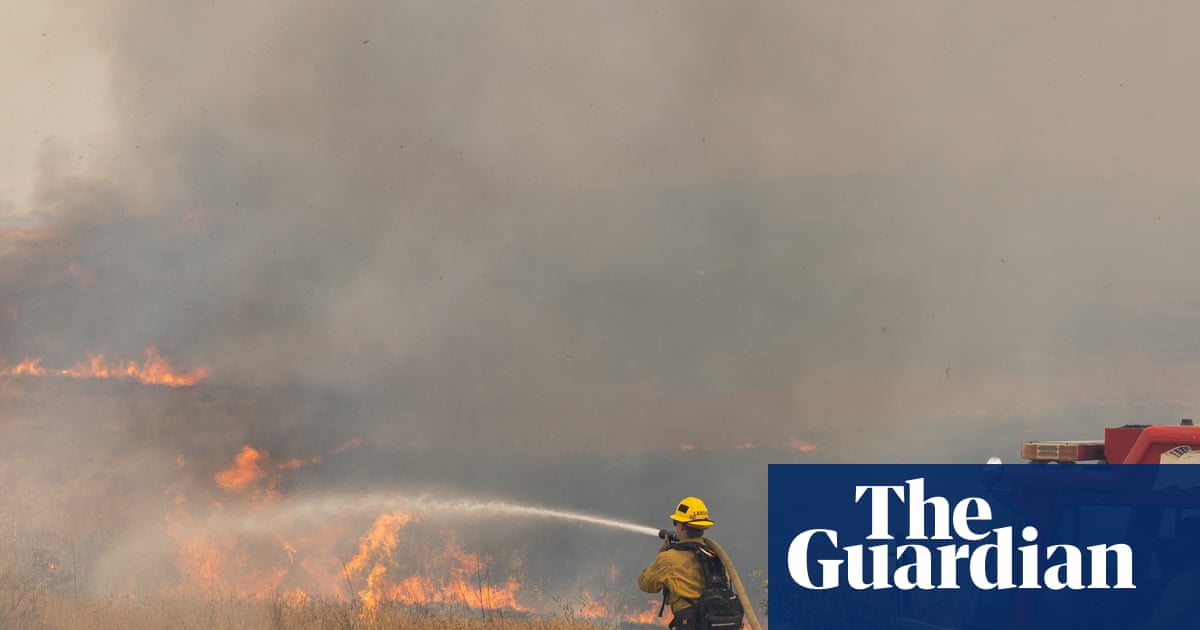
Beersheba, Israel – An Iranian missile barrage targeting an industrial zone near Beersheba has ignited a fire at a chemical plant, exposing the precarity faced by Israeli industrial workers and the dangers of escalating regional tensions. The incident underscores the need for a focus on de-escalation, diplomatic solutions, and worker protections in the face of geopolitical conflict.
The missile strike, attributed to Iran, represents a dangerous escalation of tensions and places vulnerable workers in the path of potential harm. The chemical plant, likely employing a diverse workforce, now presents a significant risk due to the fire and potential release of hazardous materials.
The attack raises critical questions about the safety protocols and emergency preparedness measures in place at Israeli industrial facilities. The vulnerability of workers in these zones, often facing precarious employment conditions, must be addressed to ensure their safety and well-being.
This incident occurs against a backdrop of heightened geopolitical tensions between Iran and Israel, fueled by competing interests and proxy conflicts across the Middle East. These conflicts disproportionately impact marginalized communities and exacerbate existing inequalities.
It is imperative that international actors prioritize diplomatic efforts to de-escalate the situation and prevent further violence. A focus on dialogue and negotiation is crucial to addressing the underlying issues driving the conflict and preventing further harm to civilians.
The incident also highlights the urgent need for a comprehensive review of worker safety regulations in Israeli industrial zones. Ensuring adequate safety training, protective equipment, and emergency response protocols is essential to safeguarding the health and well-being of workers.
The attack could have significant environmental consequences, potentially releasing toxic chemicals into the air and water. Addressing the environmental impact and mitigating the potential health risks to local communities should be a top priority.
The long-term effects on the affected communities, particularly those already facing socioeconomic challenges, must be carefully considered. Providing support and resources to help these communities recover from the trauma of the attack is essential.
The focus should be on ensuring that any response to the attack does not further escalate the conflict or harm innocent civilians. Prioritizing diplomatic solutions and de-escalation is the only way to prevent a wider regional war.
This incident underscores the importance of international solidarity and cooperation in addressing the root causes of conflict and promoting peace and justice. Investing in diplomacy, development, and human rights is crucial to building a more stable and equitable world.
Moving forward, there must be a commitment to prioritizing the well-being of workers and marginalized communities in the face of geopolitical tensions. Ensuring their safety and security is paramount.
The attack on the industrial zone serves as a stark reminder of the human cost of conflict and the urgent need for a more just and peaceful world.