Iranian Nobel Laureate's Memoir Exposes Systemic Cruelty Against Women Activists
Narges Mohammadi's smuggled account reveals a pattern of abuse, medical neglect, and silencing of dissent within Iran's prison system.
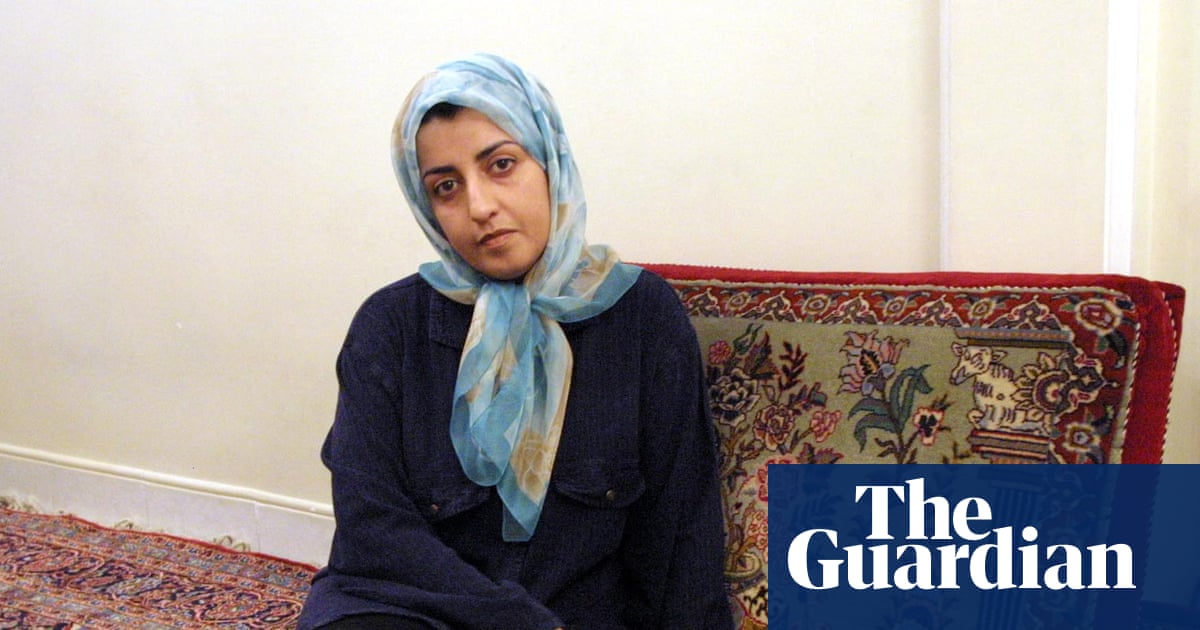
Narges Mohammadi’s memoir, smuggled out of Iranian prisons, offers a harrowing indictment of the Iranian regime’s systematic oppression of women activists and political dissidents. The Nobel Peace Prize laureate’s account details not only the brutality she personally endured, but also exposes the broader patterns of abuse, medical neglect, and psychological torture inflicted upon those who dare to challenge the status quo.
Mohammadi, a tireless advocate for women’s rights, prison reform, and the abolition of the death penalty, has been targeted repeatedly by the Iranian authorities for her activism. Arrested 14 times and sentenced to a staggering 44 years in prison and 154 lashes, her story is a stark reminder of the risks faced by human rights defenders in authoritarian regimes.
The memoir, A Woman Never Stops Fighting, reveals the inhumanity of solitary confinement, the deliberate denial of medical care, and the constant threat of violence faced by Mohammadi and other prisoners of conscience. Her words paint a vivid picture of a system designed to break the spirit and silence dissent, highlighting the regime's disregard for fundamental human rights.
“There is no hardship worse than illness combined with imprisonment,” Mohammadi writes, underscoring the cruelty of denying medical treatment to those already deprived of their freedom. Her experience of being denied access to her own surgeons, even after suffering a suspected heart attack, illustrates the deliberate nature of the neglect she and others have faced.
Mohammadi's case reflects a broader pattern of repression against women activists in Iran. Since the 1979 revolution, Iranian women have faced systematic discrimination and restrictions on their rights. The Women, Life, Freedom protests, which erupted in 2022, demonstrated the deep-seated discontent with these inequalities and the courage of Iranian women in demanding change.
The international community must hold the Iranian regime accountable for its human rights abuses. The denial of medical care to prisoners, the use of torture and solitary confinement, and the suppression of peaceful dissent are all violations of international law. Governments, international organizations, and civil society groups must work together to demand the release of Mohammadi and all other political prisoners in Iran.
Beyond individual cases, Mohammadi's story underscores the urgent need for systemic reform. The Iranian government must dismantle the legal and institutional structures that enable human rights abuses and create a society where all citizens, regardless of gender or political beliefs, can exercise their fundamental freedoms.