Iran's Warning Signals Need for Diplomacy, Not Escalation
As tensions rise, international cooperation is crucial to de-escalate conflict and address humanitarian concerns.
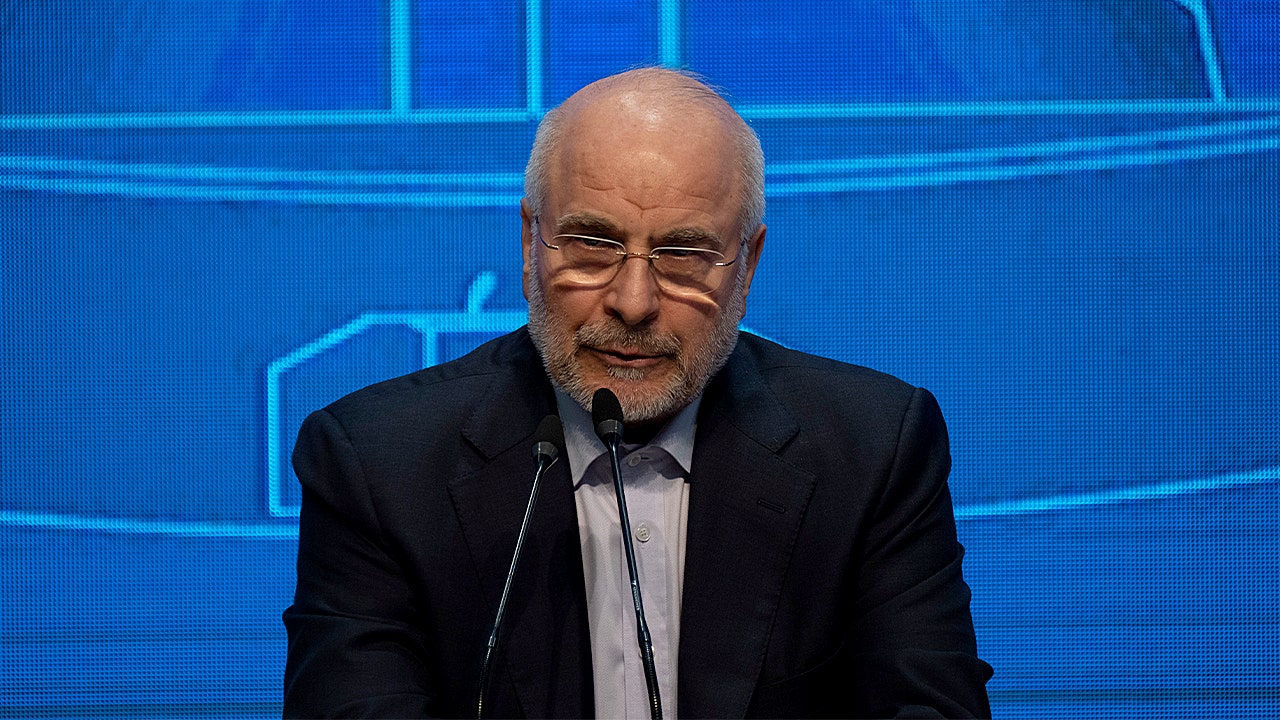
Iran's recent vow of retaliation against perceived enemies, coupled with a warning of a potential “major world war,” underscores the urgent need for diplomatic solutions and de-escalation strategies in the Middle East. This declaration, against a backdrop of a reported arms partnership with North Korea, demands a nuanced understanding of the region's complex power dynamics and a commitment to addressing the root causes of conflict.
The alleged partnership between North Korea and Iran in missile development further highlights the dangers of unchecked arms proliferation and the need for robust international arms control treaties. This collaboration not only threatens regional stability but also diverts resources from vital social programs and economic development.
Meanwhile, in the United States, the ongoing Department of Homeland Security (DHS) shutdown exemplifies the detrimental consequences of partisan gridlock and the prioritization of political posturing over the well-being of communities. The shutdown disproportionately affects vulnerable populations and undermines essential services, including those that protect public health and safety.
The Supreme Court's upcoming decision on birthright citizenship also carries profound implications for social justice and equality. Ending birthright citizenship would create a marginalized underclass, further exacerbate existing inequalities, and undermine the fundamental principles of inclusivity and opportunity upon which the nation was founded.
The surge in multidrug-resistant tuberculosis cases, or the “white plague,” reveals systemic failures in public health infrastructure and access to healthcare. This crisis disproportionately affects low-income communities and communities of color, highlighting the need for increased investment in public health initiatives and equitable healthcare access.
The allegations of secret filming and abuse material found at a Yosemite rental property underscores the vulnerability of individuals in the unregulated vacation rental market and calls for stronger consumer protections and accountability measures. The incident exposes the potential for exploitation and abuse in the digital age, particularly for marginalized communities.
The battles between tech giants like Meta and Google and regulators concerning the addictive nature of their platforms underscores the social responsibility of corporations to protect vulnerable young people. The digital world must be designed with empathy and ethical considerations, not just profits.
The call from Iranian wrestling champion Sardar Pashaie for the International Olympic Committee (IOC) to defend persecuted athletes highlights the need for international sports organizations to stand up for human rights and protect athletes from political oppression and discrimination. Sport should be a vehicle for social justice and solidarity, not a tool for political manipulation.
Former DHS Secretary Tom Homan’s blaming of Democrats for the DHS shutdown further polarizes the political landscape and distracts from the urgent need for bipartisan solutions to address border security and immigration reform. Meaningful progress requires collaboration, not finger-pointing.
Finally, potential cuts in education funding across several states raise serious concerns about the future of public education and its ability to provide equal opportunities for all children. Investing in education is an investment in social mobility and a more just and equitable society.