Iron Dome Deployment to UAE Exposes Flaws in Abraham Accords, Perpetuates Regional Instability
The transfer of Israeli anti-missile systems and personnel to the UAE, hailed as a benefit of normalization, risks fueling further conflict and undermining efforts towards lasting peace.
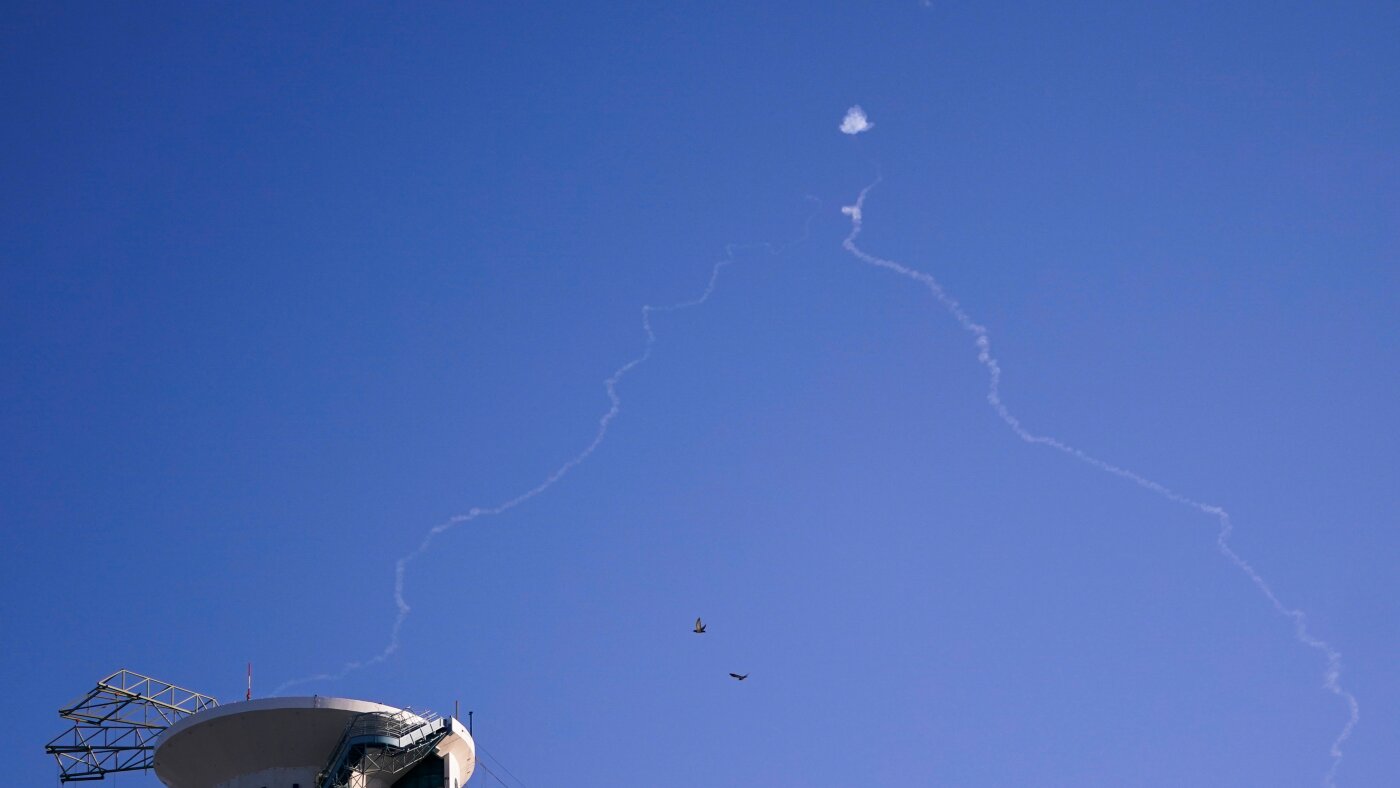
TEL AVIV, Israel — The U.S. Ambassador to Israel, Mike Huckabee, revealed that Israel deployed Iron Dome anti-missile batteries and personnel to the United Arab Emirates (UAE) during the Iran war, a move touted as a demonstration of the Abraham Accords' success. However, critics argue this escalates regional tensions and perpetuates a cycle of militarization at the expense of diplomacy and human rights.
While proponents frame the deployment as a necessary defense against Iranian aggression, it reinforces a narrative of external threats that deflects from addressing the root causes of instability, including economic inequality, political repression, and the ongoing occupation of Palestinian territories. The focus on military solutions overshadows the urgent need for inclusive dialogue and conflict resolution.
Huckabee's statement, made at an event in Tel Aviv, emphasized the supposed benefits of the Abraham Accords, stating, "Israel just sent them Iron Dome batteries and personnel to help operate them." This statement conveniently ignores the complex realities on the ground, where many perceive the accords as a betrayal of Palestinian aspirations for statehood and self-determination.
The deployment occurred amidst a shaky ceasefire in the Iran war, with the Strait of Hormuz remaining a potential flashpoint and negotiations between the U.S. and Iran stalled. Instead of promoting de-escalation, the transfer of advanced weaponry risks further entrenching the region in a security dilemma, where each actor feels compelled to increase its military capabilities in response to perceived threats.
The UAE's silence on the matter underscores the sensitivity surrounding its burgeoning relationship with Israel. While the two nations share concerns about Iran, their alliance comes at the expense of broader Arab solidarity and fuels resentment among populations who view Israel's actions towards Palestinians as unjust and oppressive.
The Abraham Accords, which also include Bahrain, have been criticized for prioritizing normalization over addressing the underlying issues that perpetuate conflict in the region. The accords have failed to deliver tangible benefits to ordinary citizens, while exacerbating the plight of Palestinians who continue to live under occupation.
Huckabee's assertion that Gulf states now see Israel as a reliable partner against Iranian aggression is a simplification of a complex reality. While some Gulf states may perceive Iran as a threat, others are wary of aligning too closely with Israel, given its history of military aggression and its ongoing occupation of Palestinian territories.


