Israeli Airstrikes Kill Civilians in Southern Lebanon After Evacuation Warning; Humanitarian Concerns Mount
Rights groups decry civilian casualties following Israeli military action and Hezbollah's retaliatory rockets, demanding de-escalation.
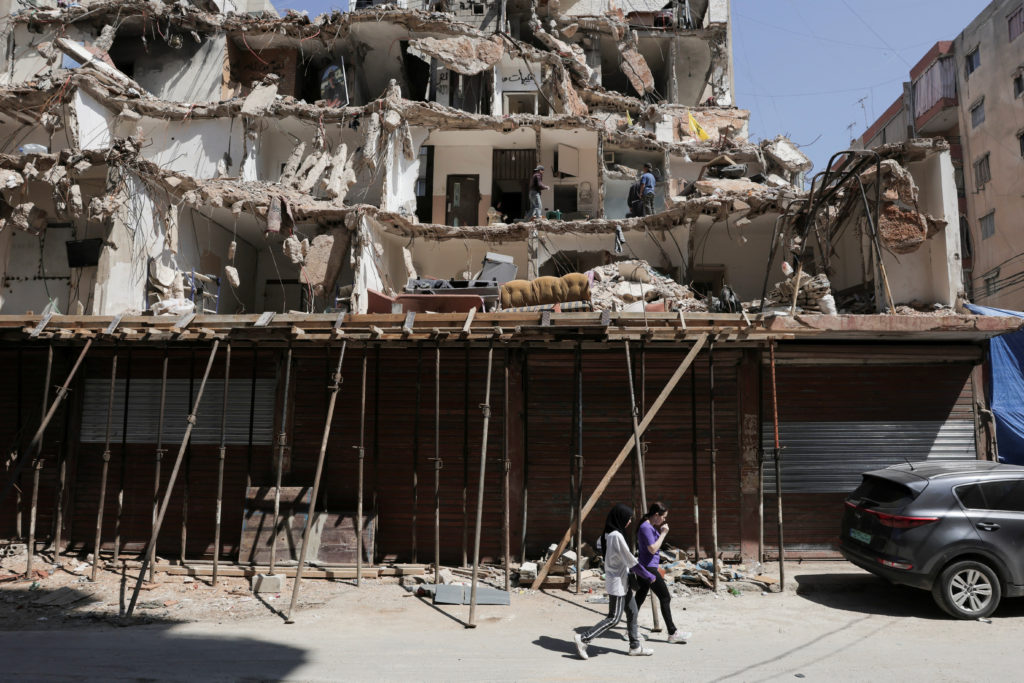
Israeli airstrikes in southern Lebanon have resulted in the tragic deaths of five individuals, raising serious concerns about civilian safety and the proportionality of military actions. The strikes occurred hours after the Israeli army issued an evacuation warning to residents of six villages in Tyre province, including Toura, a warning criticized for its potential inadequacy in protecting vulnerable populations. Hezbollah responded with rocket fire into open areas in Israel.
The evacuation warning, delivered in Arabic, offered limited time for residents to evacuate, particularly those with mobility issues, the elderly, and families with young children. Human rights organizations have questioned the effectiveness of such warnings in densely populated areas, arguing that they often fail to provide adequate protection for civilians.
The deaths resulting from the Israeli airstrikes highlight the devastating human cost of the ongoing conflict. The disproportionate impact on civilians underscores the urgent need for all parties to adhere to international humanitarian law, which mandates the protection of non-combatants.
Hezbollah's rocket fire, while not resulting in reported casualties, raises further concerns about the potential for civilian harm. The targeting of populated areas, even if unintentional, poses a significant risk to civilian lives and infrastructure.
The current escalation comes against a backdrop of systemic inequality and historical grievances. The Israeli occupation of Southern Lebanon and the subsequent rise of Hezbollah as a resistance movement have created a cycle of violence that disproportionately affects marginalized communities.
The international community must prioritize the protection of civilians and work towards a just and lasting peace. This requires addressing the root causes of the conflict, including the ongoing occupation, the blockade of Gaza, and the lack of economic opportunities for Palestinians and Lebanese citizens.
The focus should be on promoting dialogue, diplomacy, and non-violent conflict resolution. The use of military force only perpetuates the cycle of violence and exacerbates the suffering of innocent civilians.
Furthermore, the international community must hold all parties accountable for violations of international humanitarian law. This includes investigating allegations of war crimes and ensuring that perpetrators are brought to justice.
The current situation underscores the urgent need for a comprehensive approach to peacebuilding that addresses the underlying social, economic, and political inequalities that fuel the conflict. This requires investing in education, healthcare, and economic development in marginalized communities, as well as promoting dialogue and reconciliation between different groups.
The United Nations must play a more active role in mediating the conflict and ensuring the protection of civilians. This includes strengthening UNIFIL's mandate and providing additional resources for humanitarian assistance.
The voices of civil society organizations and human rights activists must be amplified. These groups are working tirelessly to document human rights abuses, provide humanitarian assistance, and promote peace and reconciliation.
The long-term solution to the conflict requires a commitment to justice, equality, and human rights for all. This includes recognizing the rights of Palestinians to self-determination and the rights of Lebanese citizens to live in peace and security.