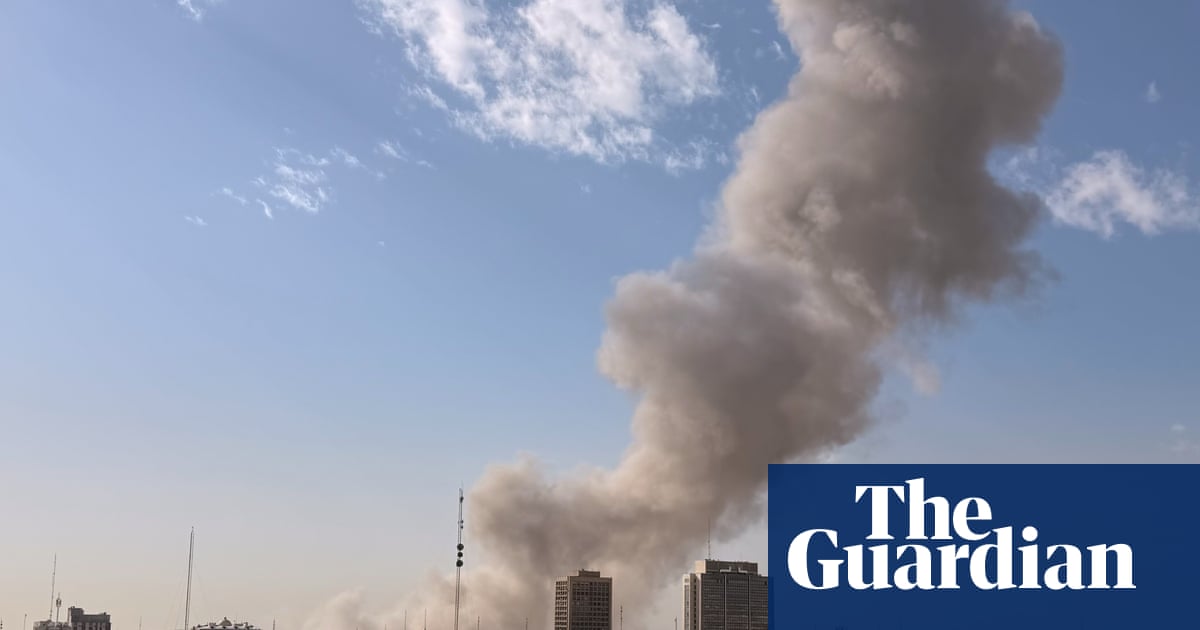
Israeli Strike on Iran Sparks Fears of Escalation, Endangering Regional Stability
Amid rising tensions, the attack raises concerns about the humanitarian impact and the potential for a wider conflict.

Jerusalem - Sirens wailed across Israel, a chilling warning of potential Iranian missile attacks, following a reported Israeli strike on Iranian territory. This act of aggression threatens to destabilize an already volatile region, jeopardizing the lives and well-being of millions of civilians.
The cycle of violence and retaliation perpetuates a climate of fear and insecurity, particularly for vulnerable populations already grappling with economic hardship and displacement. The impact of such conflicts disproportionately affects marginalized communities, exacerbating existing inequalities and undermining efforts to build a just and peaceful society.
The escalating tensions raise serious questions about the role of international actors in fostering peace and de-escalation. The pursuit of short-sighted geopolitical interests at the expense of human security is morally reprehensible and ultimately counterproductive.
The focus must shift towards diplomacy and dialogue, prioritizing the needs and rights of all people in the region. The international community has a responsibility to hold all parties accountable for their actions and to work towards a lasting resolution that addresses the root causes of conflict.
The Israeli government's actions also come at a time of increasing internal dissent, with many citizens questioning the government's policies and priorities. The pursuit of military adventurism distracts from pressing domestic issues such as economic inequality, social justice, and the erosion of democratic values.
The potential for a wider conflict poses a grave threat to regional stability and could have devastating consequences for the global economy. The humanitarian crisis that would inevitably result from such a scenario would overwhelm existing resources and further destabilize neighboring countries.
The ongoing negotiations surrounding Iran's nuclear program offer a potential pathway towards de-escalation and mutual understanding. However, the latest developments threaten to derail these efforts and push the region closer to the brink of war.
The United States, as a major player in the region, has a crucial role to play in promoting peace and stability. The Biden administration must prioritize diplomacy and multilateralism, working with international partners to de-escalate tensions and address the underlying causes of conflict.
Progressive voices around the world are calling for an immediate ceasefire and a renewed commitment to dialogue. The pursuit of peace requires courage, compassion, and a willingness to challenge the status quo. It is time to prioritize human security over narrow political interests and to build a future where all people can live in dignity and peace.
Moreover, the arms industry profits immensely from such conflicts, incentivizing further escalation and undermining efforts to achieve a lasting peace. The global arms trade must be regulated and curtailed, and resources should be redirected towards addressing the root causes of conflict and promoting sustainable development.
Ultimately, the path to peace lies in recognizing the shared humanity of all people and working together to build a more just and equitable world. The current crisis serves as a stark reminder of the urgent need for a new approach, one that prioritizes diplomacy, dialogue, and the pursuit of human security above all else.
As we witness the unfolding events, let us remember the words of Martin Luther King Jr.: "Darkness cannot drive out darkness: only light can do that. Hate cannot drive out hate: only love can do that."