US and Israeli Airstrikes on Iran Threaten Regional Stability, Risk Humanitarian Crisis
Trump's call for regime change exacerbates tensions and raises concerns about civilian casualties and the future of diplomacy.
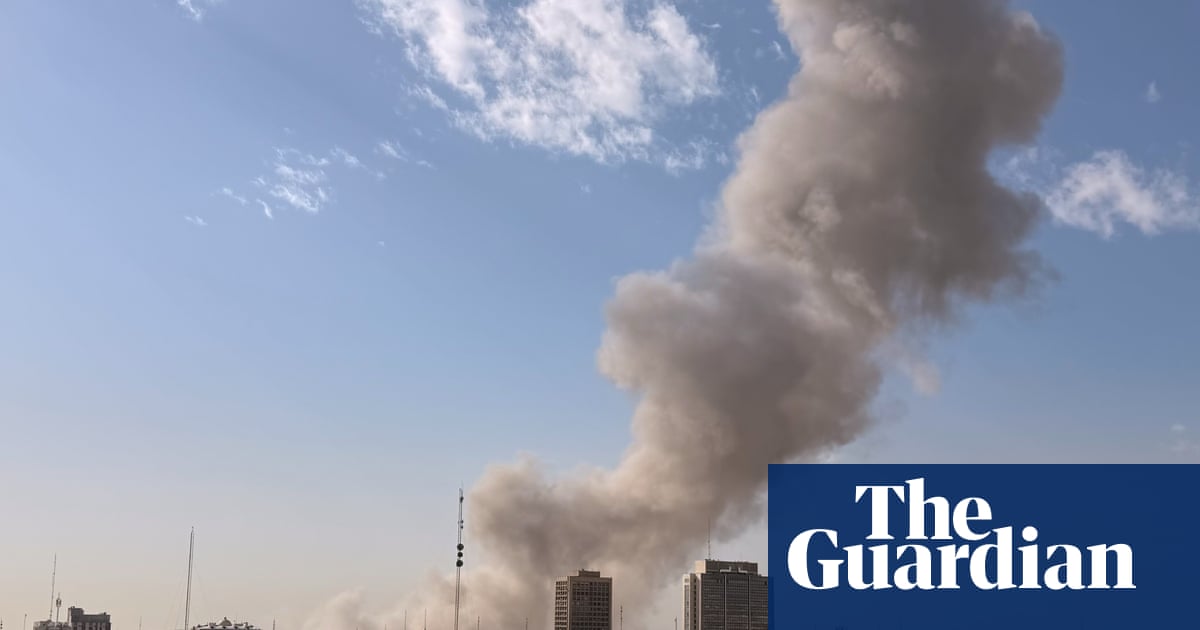
The joint US and Israeli military operation against Iran marks a dangerous escalation of conflict in the Middle East, threatening to destabilize the region and trigger a humanitarian crisis. Airstrikes in Tehran, reportedly hitting near the offices of Supreme Leader Ayatollah Ali Khamenei, have been followed by President Trump's inflammatory call for Iranians to “take over your government,” a move that disregards international norms and stokes the flames of war.
The strikes, launched under the guise of a “pre-emptive” measure, come after weeks of heightened military presence in the region, including the deployment of two US aircraft carrier strike groups. This aggressive posture, coupled with Trump's bellicose rhetoric, undermines any possibility of peaceful resolution and further entrenches a cycle of violence.
Iran's vow of a “crushing retaliation” and Israel's declaration of a state of emergency highlight the immediate danger of further escalation. The closure of airspace to civilian flights will not only disrupt travel and commerce but also hinder the delivery of essential humanitarian aid, potentially exacerbating the suffering of ordinary Iranians.
Trump's call for regime change echoes a history of disastrous US interventions in the Middle East, from the overthrow of democratically elected governments to the invasion of Iraq. These interventions have consistently resulted in widespread instability, sectarian violence, and the rise of extremist groups. To repeat these mistakes is not only reckless but morally reprehensible.
The attacks come in the wake of stalled negotiations over Iran's nuclear program, signaling a rejection of diplomacy and a preference for military solutions. This approach ignores the fact that sanctions and isolation have disproportionately harmed the Iranian people, while failing to achieve their stated objectives. A return to dialogue and a commitment to the Iran nuclear deal are essential for de-escalating tensions and preventing a nuclear arms race.
The US and Israeli governments' cynical appeal to the Iranian people, urging them to rise up against their government, is a blatant attempt to exploit internal divisions and destabilize the country. Such interventions undermine the sovereignty of nations and fuel resentment against foreign powers.
The focus must be on protecting civilian lives and preventing further bloodshed. International organizations must be given unfettered access to assess the humanitarian situation and provide assistance to those in need. Diplomatic efforts, led by neutral parties, must be redoubled to de-escalate the conflict and pave the way for a peaceful resolution.