Israeli Strike on Iranian Plant Threatens Fragile Ceasefire, Endangering Regional Stability and Workers
The attack on a key Iranian petrochemical facility raises serious concerns about escalating tensions and the impact on working-class communities already struggling under sanctions.
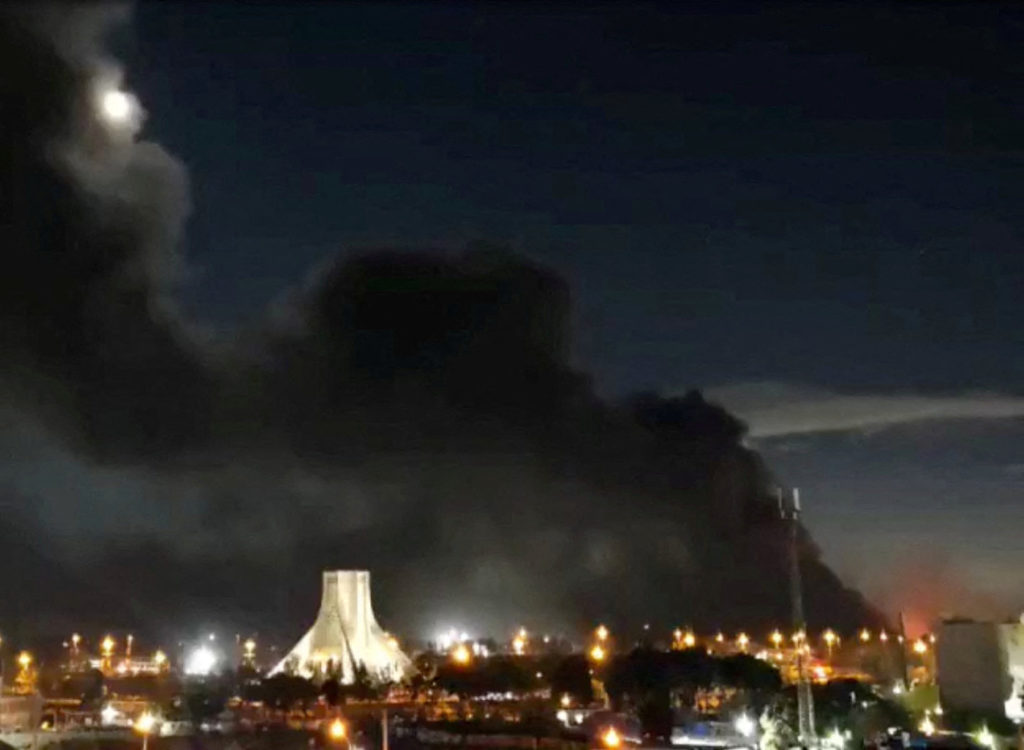
Reports have emerged detailing an Israeli strike on a critical Iranian petrochemical plant located in a major gas field, a development that threatens to derail ongoing ceasefire negotiations between the United States and Iran. This aggressive action not only risks escalating regional conflict but also undermines the well-being of Iranian workers and communities already suffering under the weight of crippling sanctions.
The attack's timing is particularly concerning, coinciding as it does with renewed efforts to broker a ceasefire. This raises questions about the intent behind the strike and whether it is designed to sabotage diplomatic progress. The destruction of a key petrochemical plant has significant implications for Iran's economy, potentially leading to job losses and further hardship for working families.
It is crucial to consider the broader context of this attack. Years of sanctions imposed by the United States have severely impacted Iran's economy, pushing many into poverty and limiting access to essential services. The destruction of a major industrial facility will only exacerbate these existing problems, disproportionately harming vulnerable populations.
The attack also raises ethical questions about the targeting of infrastructure that supports civilian life. While proponents of the strike may argue that it is a necessary measure to contain Iran's nuclear ambitions, it is important to acknowledge the human cost of such actions. The focus should be on diplomatic solutions that address security concerns without inflicting further suffering on ordinary Iranians.
The ceasefire proposal currently being circulated offers a glimmer of hope for de-escalation and a path towards a more peaceful future. However, the Israeli strike undermines these efforts and risks pushing Iran towards a more hardline stance. It is imperative that all parties involved prioritize diplomacy and refrain from actions that could further escalate tensions.
The United States has a responsibility to promote a just and equitable resolution to the conflict. This includes reassessing its sanctions policy and working towards a comprehensive agreement that addresses the legitimate security concerns of all parties. The focus should be on building trust and fostering cooperation, rather than resorting to military force.
Furthermore, it is essential to recognize the role of regional actors in fueling the conflict. The ongoing proxy wars in Yemen and Syria have contributed to widespread instability and human suffering. A lasting peace requires a commitment from all stakeholders to end these conflicts and work towards a more inclusive and democratic future for the region.
The international community must condemn the attack on the Iranian petrochemical plant and call for an immediate cessation of hostilities. The focus should be on supporting diplomatic efforts and ensuring that humanitarian aid reaches those in need. The pursuit of peace and justice requires a commitment to dialogue, cooperation, and a recognition of the shared humanity of all people.
The attack on the petrochemical plant represents a dangerous escalation in an already volatile region. It is crucial that all parties involved prioritize diplomacy and refrain from actions that could further jeopardize the prospects for peace. The well-being of Iranian workers and communities must be at the forefront of any policy decisions.
Ultimately, a lasting solution to the conflict requires addressing the root causes of instability, including economic inequality, political repression, and foreign intervention. The focus should be on promoting democracy, human rights, and sustainable development, creating a more just and equitable future for all.