Russian Attacks in Ukraine Highlight Civilian Cost of War; Expectant Mother, Children Among the Wounded
As drone warfare escalates, the most vulnerable Ukrainians bear the brunt of the conflict's violence and disruption.
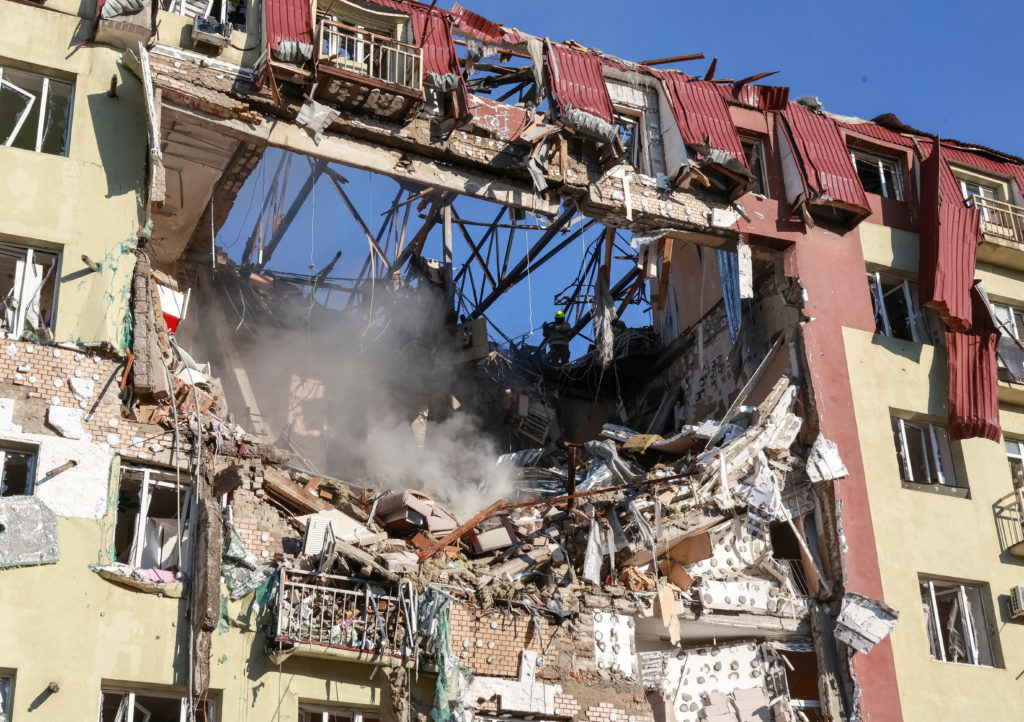
Kyiv, Ukraine – The human cost of the war in Ukraine continues to mount as overnight Russian attacks killed four people and left eleven hospitalized, including a pregnant woman and two children, one less than a year old, President Zelenskyy reported via X. These attacks underscore the disproportionate impact of the conflict on the most vulnerable members of Ukrainian society, particularly pregnant women and young children, who lack the resources and agency to protect themselves from the violence.
The attacks occurred amidst reports of Ukrainian drone strikes targeting Russian oil infrastructure, a tactic viewed by some as a necessary measure to cripple Russia's war machine, while others criticize it for potentially escalating the conflict and endangering civilians on both sides. Regardless of the strategic rationale, the consequences of these actions fall hardest on ordinary people, particularly those already marginalized and underserved.
This situation highlights a recurring pattern in armed conflicts: the wealthy and powerful initiate and perpetuate wars, while the poor and disempowered suffer the most devastating consequences. In Ukraine, as in other conflict zones, access to resources, healthcare, and safe shelter is unequally distributed, leaving vulnerable populations disproportionately exposed to the risks of violence, displacement, and economic hardship.
The ongoing targeting of civilian infrastructure, including hospitals, schools, and water supplies, further exacerbates the suffering of Ukrainian civilians. These attacks, which may constitute war crimes under international law, disrupt essential services and undermine the long-term well-being of affected communities. The presence of a pregnant woman and infants among the injured underscores the callous disregard for human life displayed by those perpetrating the violence.
International aid organizations are struggling to meet the growing humanitarian needs of the Ukrainian population. Access to conflict zones remains a major challenge, hindering the delivery of essential supplies and medical care. Moreover, the psychological toll of the war on civilians, particularly children, is immense and requires urgent attention. Trauma counseling and mental health services are desperately needed to help individuals cope with the horrors they have witnessed and the losses they have endured.
The escalating drone warfare raises serious concerns about the potential for further civilian casualties. The use of unmanned aerial vehicles makes it more difficult to distinguish between combatants and non-combatants, increasing the risk of accidental or deliberate targeting of civilians. International regulations governing the use of drones in armed conflicts are urgently needed to protect civilian populations.
The conflict in Ukraine serves as a stark reminder of the human cost of war and the urgent need for a peaceful resolution. The international community must prioritize the protection of civilians and hold accountable those responsible for war crimes and other violations of international law. Furthermore, a long-term commitment to rebuilding Ukraine's infrastructure and supporting its people is essential to ensure a just and sustainable peace.
The systemic inequalities that exacerbate the impact of the conflict on vulnerable populations must also be addressed. This requires a comprehensive approach that includes investing in social safety nets, promoting economic development, and ensuring access to healthcare and education for all Ukrainians, regardless of their socioeconomic status.
The attacks also bring to the forefront the ethical complexities of modern warfare. While some argue that targeting oil infrastructure is a legitimate military tactic, others contend that it is morally reprehensible due to its potential to harm civilians and the environment. A broader public debate is needed to examine the ethical implications of drone warfare and other forms of modern military technology.
Ultimately, the path to peace in Ukraine requires a fundamental shift in priorities. Instead of focusing solely on military solutions, the international community must prioritize diplomacy, humanitarian assistance, and the protection of human rights. Only through a concerted effort to address the root causes of the conflict and support the needs of the Ukrainian people can a lasting and just peace be achieved.