Arizona Hiker's Bee Attack Highlights Climate Change Impact, Public Safety Concerns
As warming temperatures exacerbate aggressive bee behavior, emergency response systems face growing strain in protecting vulnerable populations on public lands.
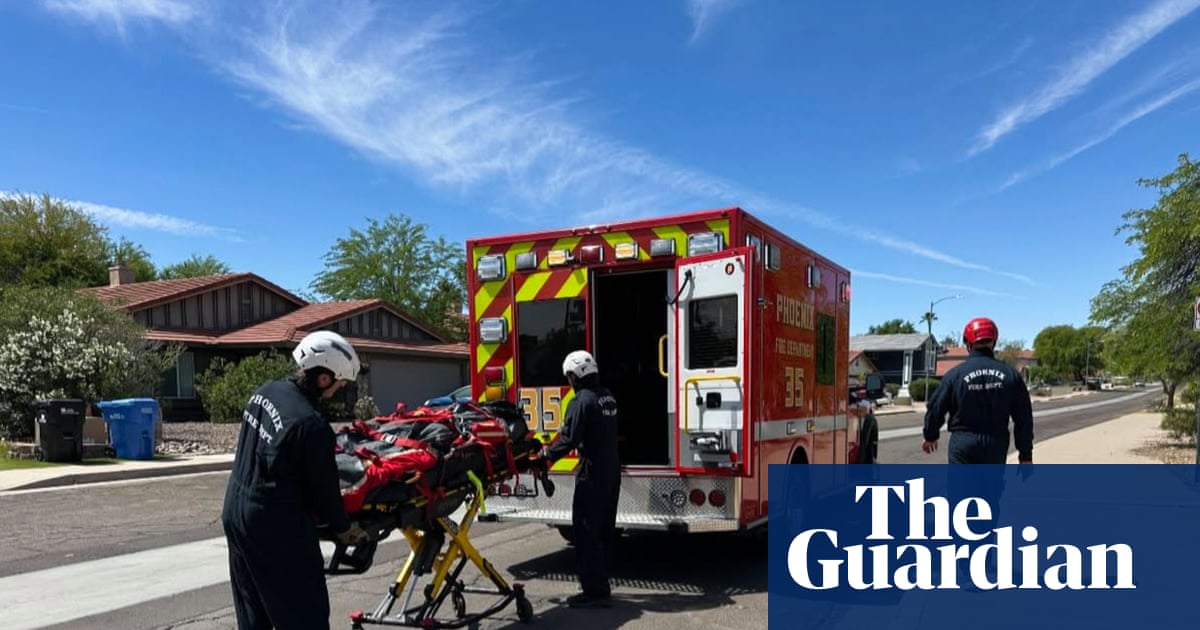
A hiker in Phoenix, Arizona, is in critical condition after suffering over 100 bee stings on Lookout Mountain Preserve, an incident that underscores the increasing challenges posed by climate change and its impact on public safety. The man's ordeal highlights the need for improved public awareness and resources to address the growing threat of aggressive bee behavior in the region.
The Phoenix Fire Department's response to the emergency reveals the strain placed on local resources by increasingly frequent incidents. The hiker's inability to descend from the summit, compounded by the severity of the bee stings, necessitated a costly and complex airlift operation, diverting emergency personnel from other potential crises.
Dr. Frank LoVecchio, a professor at Arizona State University, points to the rise of Africanized bees and their aggressive tendencies as a significant factor. He notes that even minor disturbances can trigger swarms, posing a danger to individuals and communities. This proliferation is exacerbated by an unusually warm winter, a direct consequence of climate change, which extends the bees' active season and increases their aggressive behavior.
The Phoenix Fire Department's advisory to hikers – to avoid disturbing hives, skip scented products, wear light-colored clothing, and run away quickly – represents a reactive approach. A more proactive strategy is needed to mitigate the risks posed by these increasingly aggressive insects. This includes funding for bee abatement programs, public education campaigns, and improved emergency response protocols.
The incident at Lookout Mountain Preserve is not an isolated event. Recent instances, such as the bee swarm that disrupted a women's lacrosse game at a university campus in Tempe, demonstrate the escalating nature of the problem. These incidents disproportionately affect vulnerable populations, including the elderly, children, and individuals with pre-existing medical conditions.
Addressing this issue requires a multi-faceted approach that includes investment in climate resilience, public health initiatives, and equitable access to emergency services. The focus should be on preventative measures, such as habitat management and early detection programs, to minimize the risk of bee attacks. Furthermore, resources must be allocated to ensure that emergency responders are adequately trained and equipped to handle these increasingly common incidents.