Oil Crisis Exposes Asia's Vulnerability and Fuels Inequality
Fuel shortages exacerbated by the Iran war disproportionately impact working families and highlight the urgent need for a just transition to renewable energy.

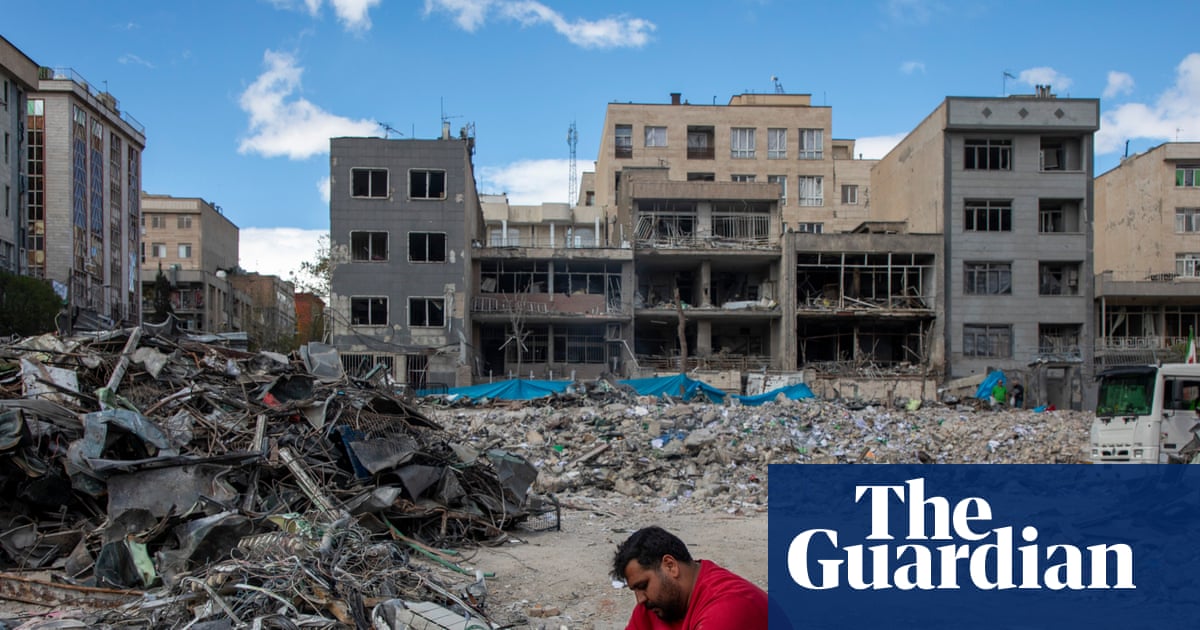
The disruption of oil flows due to the Iran war is hitting Asia hardest, exposing the precariousness of a global energy system reliant on fossil fuels and the disproportionate impact on the most vulnerable populations. Fuel shortages are not simply an economic inconvenience; they represent a significant blow to working families and low-income communities who already bear the brunt of rising energy costs.
The crisis underscores the inherent inequalities embedded within the global energy system. Wealthy nations and corporations have historically benefited from cheap fossil fuels, while developing countries and marginalized communities are left to grapple with the consequences of price volatility and environmental degradation. This situation demands a fundamental re-evaluation of energy policies and a commitment to a just transition that prioritizes the needs of working people and the planet.
The rising cost of fuel directly impacts essential services, such as public transportation and food distribution, further burdening low-income communities. As prices soar, families are forced to make difficult choices between heating their homes, feeding their children, or accessing essential healthcare. This crisis underscores the urgent need for social safety nets and policies that protect vulnerable populations from energy poverty.
Furthermore, the reliance on fossil fuels perpetuates a cycle of environmental degradation and social injustice. Oil extraction and transportation contribute to air and water pollution, disproportionately impacting communities of color and low-income neighborhoods. The climate crisis, driven by fossil fuel emissions, exacerbates existing inequalities and creates new vulnerabilities.
Moving towards a sustainable and equitable energy future requires a bold shift away from fossil fuels and towards renewable energy sources. Investments in solar, wind, and other clean energy technologies can create jobs, reduce pollution, and enhance energy security. However, this transition must be carefully managed to ensure that workers and communities are not left behind. Retraining programs, job creation initiatives, and community-led development projects are essential to ensure a just transition.
International cooperation is crucial to address the global energy crisis and promote a more equitable energy system. Wealthy nations must provide financial and technical assistance to developing countries to support their transition to renewable energy. Furthermore, international agreements must be strengthened to hold corporations accountable for their environmental impact and ensure that the benefits of energy development are shared equitably.
The current crisis also highlights the need for greater energy efficiency and conservation. Policies that promote energy-efficient buildings, transportation, and appliances can significantly reduce energy consumption and lower costs for consumers. Public awareness campaigns can encourage individuals to adopt more sustainable lifestyles and reduce their carbon footprint.
Ultimately, addressing the oil crisis requires a holistic approach that considers the social, economic, and environmental dimensions of energy. A just transition to renewable energy is not simply an environmental imperative; it is a moral obligation to create a more equitable and sustainable future for all. This includes addressing systemic inequalities and ensuring that the benefits of clean energy are shared by all members of society.
We must demand accountability from corporations and governments to prioritize the needs of working families and the environment over short-term profits. The time for incremental change is over. A bold and transformative vision is needed to create a truly just and sustainable energy future.
The crisis underscores the importance of strengthening labor unions and worker cooperatives to ensure that workers have a voice in shaping the energy transition. These organizations can advocate for fair wages, safe working conditions, and access to training and education. Worker ownership models can also empower communities to control their own energy resources and create local jobs.
Policies that support community-based renewable energy projects can also promote energy democracy and empower local communities to control their own energy future. These projects can create jobs, reduce energy costs, and promote environmental sustainability. Government support for community-based renewable energy projects is essential to ensure a just and equitable transition.
The solutions exist, but they require political will and a commitment to prioritizing the needs of working people and the planet. The oil crisis is a wake-up call, urging us to act decisively to create a more just and sustainable energy future.
Sources:
* International Renewable Energy Agency (IRENA) - www.irena.org * United Nations Framework Convention on Climate Change (UNFCCC) - unfccc.int