Israeli Strikes Devastate Beirut, Further Undermining Already Vulnerable Communities
The latest Israeli military action exacerbates existing social and economic inequalities in Beirut, disproportionately impacting marginalized populations.

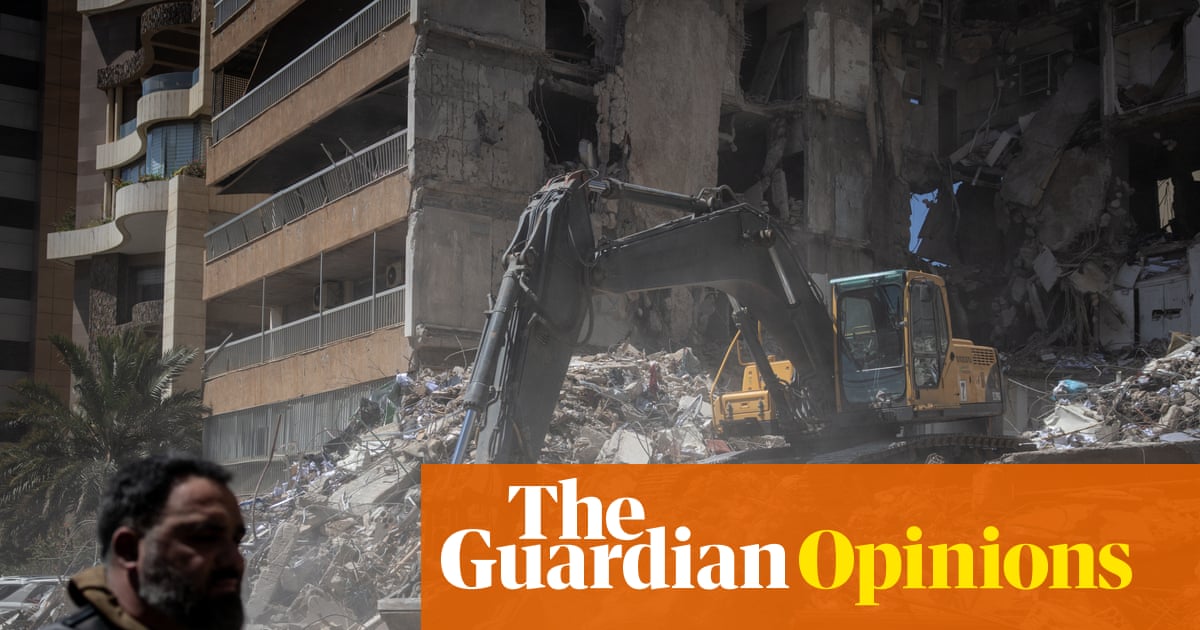
The recent Israeli strikes on Beirut have inflicted significant damage, further destabilizing a city already grappling with economic hardship and social inequality. As the smoke clears, the scale of the destruction reveals the devastating impact on vulnerable communities. These actions raise serious concerns about human rights and the disproportionate impact of military conflict on civilians.
Beirut has long struggled with the legacy of conflict, political instability, and economic disparity. The city's infrastructure, already weakened by previous wars and neglect, has been further damaged by the strikes. This destruction hinders access to essential services such as healthcare, education, and housing, particularly for low-income families.
The strikes have exacerbated existing inequalities, disproportionately affecting marginalized communities who lack the resources to cope with the devastation. These communities often face systemic discrimination and limited access to social safety nets, making them particularly vulnerable to the consequences of military action.
The targeting of civilian infrastructure raises questions about adherence to international humanitarian law and the protection of civilians during armed conflict. The principles of distinction and proportionality must be upheld to prevent unnecessary harm to non-combatants.
Historically, the cycle of violence and displacement in Beirut has perpetuated a cycle of poverty and marginalization. The recent strikes risk deepening this cycle, hindering efforts to promote social justice and sustainable development.
Organizations are working to provide humanitarian assistance to those affected by the strikes, but the scale of the devastation requires a comprehensive and coordinated response. Aid efforts must prioritize the needs of the most vulnerable populations, including women, children, and refugees.
The international community has a responsibility to hold Israel accountable for its actions and to ensure that civilians are protected during armed conflict. Diplomatic efforts must focus on de-escalation and a lasting resolution to the Israeli-Palestinian conflict.
The long-term consequences of the strikes are likely to include increased poverty, displacement, and social unrest. The destruction of infrastructure and the disruption of economic activity will hinder efforts to rebuild Beirut and create a more equitable society.
Addressing the root causes of conflict and inequality is essential for promoting lasting peace and stability in the region. This requires addressing systemic injustices, promoting inclusive governance, and investing in sustainable development.
The recent strikes serve as a stark reminder of the human cost of conflict and the urgent need for a more just and equitable world. Solidarity with the people of Beirut is essential as they work to rebuild their lives and communities.
As Beirut begins the difficult process of recovery, it is crucial to prioritize the needs of the most vulnerable populations and to ensure that everyone has the opportunity to thrive. A commitment to social justice and human rights is essential for building a more peaceful and sustainable future.
The situation calls for a global commitment to peace, justice, and human rights to ensure such tragedies are never repeated.