Israeli Strikes in Lebanon Claim 39 Lives, Sparking Humanitarian Crisis
Disproportionate force and civilian casualties raise urgent questions about international law and the impact of military actions on vulnerable populations.
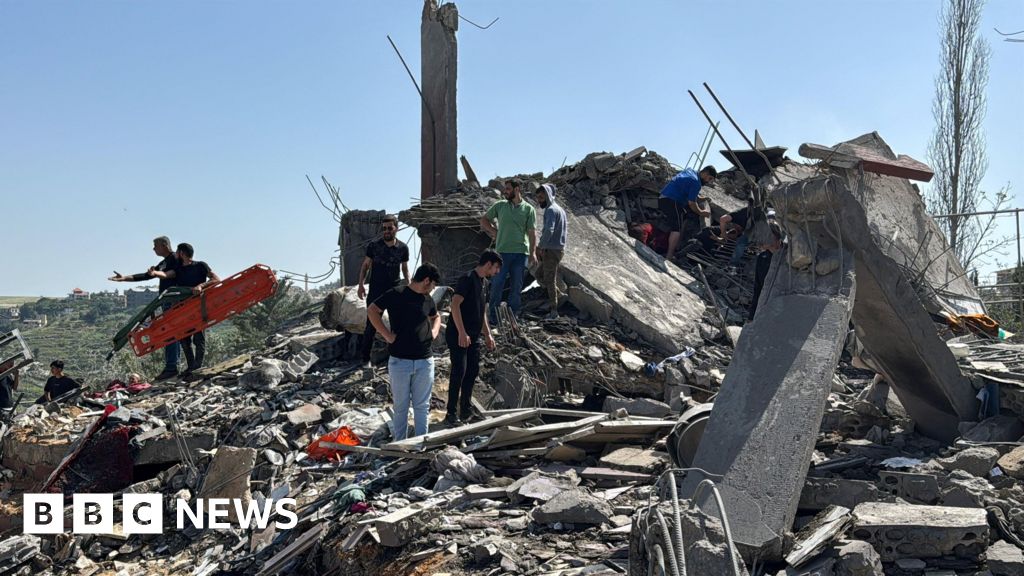
Beirut – Thirty-nine lives have been tragically cut short in Lebanon following a series of Israeli strikes, according to the Lebanese Health Ministry, underscoring a deepening humanitarian crisis fueled by ongoing conflict. Among the dead are innocent children, their futures stolen by the devastating consequences of military actions.
The strike on Saksakiyeh serves as a stark illustration of the human cost, claiming at least seven lives, including that of a child, while leaving fifteen others wounded, among them three more children. These are not mere statistics; they are individuals, families torn apart by the violence of war. The reported targeting of a Syrian national and his 12-year-old daughter in Nabatieh, with the daughter undergoing life-saving surgery after reportedly being targeted multiple times by a drone, points to a pattern of excessive force with devastating repercussions for civilians.
Hezbollah's drone attack on northern Israel, resulting in injuries to three soldiers, highlights the cycle of violence that traps both sides in a seemingly endless conflict. However, the disparity in casualties and the nature of the attacks raise serious questions about proportionality and adherence to international humanitarian law.
The backdrop to this tragedy is a failed ceasefire deal, announced by the previous US administration, which has done little to stem the tide of violence. The Israeli military's stated aim of creating a “Hezbollah-free security zone” comes at the expense of Lebanese sovereignty and the safety of its citizens. The destruction of entire villages, reminiscent of tactics employed in Gaza, raises concerns about collective punishment and potential war crimes.
Rights groups have already voiced their alarm, emphasizing the need for independent investigations into potential violations of international law. The Israeli occupation of Lebanese land along the border further exacerbates tensions and perpetuates a climate of fear and instability.
The cycle of escalation can be traced back to the US-Israeli attack on Iran, followed by Hezbollah's retaliatory actions. However, the response has been disproportionate, with Lebanese civilians bearing the brunt of the violence. The continued bombardment and ground incursions into Lebanon, resulting in the deaths of thousands, demand a reassessment of international diplomatic efforts.
The Lebanese Health Ministry's report that Israeli attacks have claimed over 120 lives in the past week alone, with an overall toll of 2,795 since March 2, is a testament to the scale of the humanitarian catastrophe unfolding. The lack of distinction between combatants and civilians in these figures underscores the indiscriminate nature of the violence and the urgent need for greater protection of vulnerable populations.
The international community must step up its efforts to hold all parties accountable for their actions, ensuring that civilians are protected and that those responsible for war crimes are brought to justice. A lasting peace can only be achieved through dialogue, diplomacy, and a commitment to upholding human rights and international law.
The human cost of this conflict is immeasurable, and the scars will run deep for generations to come. It is imperative that we learn from these tragedies and work towards a future where peace and justice prevail over violence and oppression.
Sources:
- Lebanese Ministry of Public Health - United Nations Human Rights Office