Israeli Strikes in Lebanon Undermine Ceasefire, Worsen Humanitarian Crisis
Air strikes targeting southern Lebanon after a US-Iran ceasefire threaten to exacerbate displacement and suffering in a country already struggling with immense social and economic challenges.
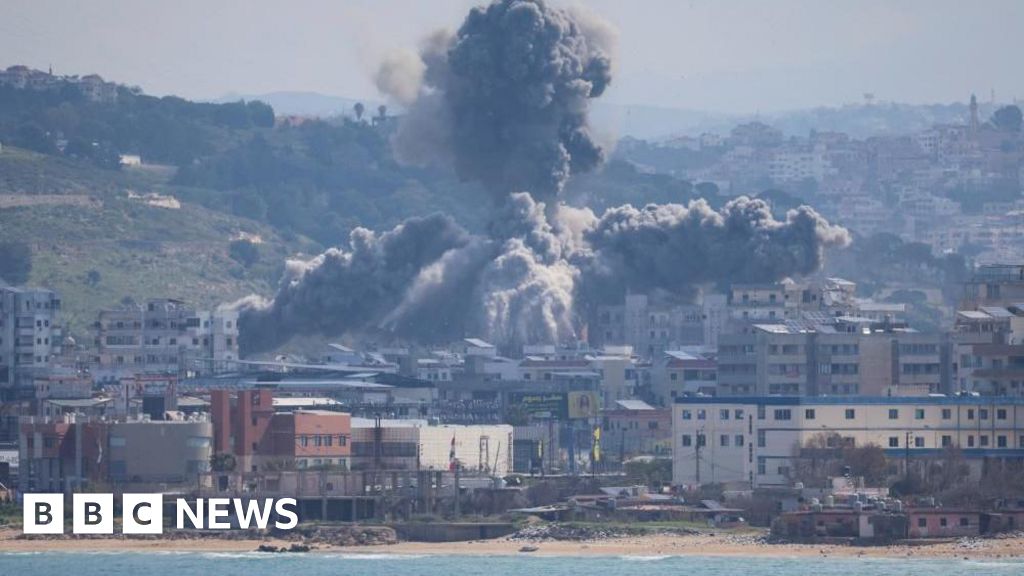
Tyre, Lebanon - Even as a ceasefire between the US and Iran offered a glimmer of hope for de-escalation in the region, Israeli air strikes in southern Lebanon have shattered that hope, raising grave concerns about the safety and well-being of vulnerable Lebanese communities. The strikes, targeting areas including Tyre and Nabatieh, occurred shortly after the ceasefire announcement, signaling a disregard for the agreement's potential to bring stability to the region.
The Israeli government's insistence that the ceasefire does not extend to Lebanon, where it continues its military campaign against Hezbollah, reveals a troubling willingness to prioritize military objectives over the lives and livelihoods of ordinary Lebanese civilians. The ongoing conflict has already created a humanitarian catastrophe, disproportionately impacting Shia Muslim communities in southern Lebanon, the Bekaa Valley, and the southern suburbs of Beirut—regions where Hezbollah holds significant influence.
Over 1,500 lives have been lost, including 130 children, and more than 1.2 million people, one in five Lebanese, have been displaced from their homes. These numbers represent a staggering human cost, especially given Lebanon's pre-existing economic crisis, which has crippled the country's ability to provide basic services and support to its citizens. The added strain of mass displacement is pushing the nation to the brink.
Israel's stated objective of creating a 'security buffer zone' in southern Lebanon, aimed at dismantling Hezbollah's infrastructure, has resulted in the destruction of entire villages and the displacement of countless families. The concern that these areas may be occupied even after the conflict ends, and that residents may never be able to return, is a deeply troubling prospect that would perpetuate cycles of displacement and dispossession.
Hezbollah's military actions, while condemned by some within Lebanon, must be understood within the context of decades of Israeli aggression and occupation. The group's rocket fire into Israel, a response to the killing of Iranian Supreme Leader Ayatollah Ali Khamenei and ongoing Israeli attacks on Lebanon, represents a desperate attempt to defend Lebanese sovereignty and protect its people.
While Hezbollah faces criticism for dragging Lebanon into an unwanted war, it also enjoys significant support among Lebanese Shia Muslims who view the group as a vital force resisting Israeli aggression. This complex dynamic underscores the need for a nuanced understanding of the conflict, one that acknowledges the legitimate grievances and security concerns of all parties involved.
The Lebanese government's announcement of a plan to disarm Hezbollah after the ceasefire deal is a potentially destabilizing move, particularly given the group's refusal to discuss the future of its weapons. President Joseph Aoun's warning against using force to disarm Hezbollah reflects a recognition of the potential for further violence and division within Lebanese society. Negotiations are crucial, but must address the root causes of the conflict, including Israeli occupation and aggression, to be truly effective.
The international community must pressure Israel to end its military operations in Lebanon, respect the ceasefire agreement, and allow for the safe return of displaced persons. Furthermore, robust humanitarian assistance is urgently needed to address the immense suffering caused by the conflict and support Lebanon's efforts to rebuild its shattered communities. The pursuit of peace and justice requires a commitment to human rights, international law, and the equitable resolution of long-standing grievances.
Sources:
- United Nations Office for the Coordination of Humanitarian Affairs (OCHA) - Reports on the humanitarian situation in Lebanon. - Amnesty International - Reports on human rights violations in the context of the Israeli-Lebanese conflict. - Human Rights Watch - Reports on the impact of the conflict on Lebanese civilians.