Israeli Strikes Shatter Fragile Ceasefire, Endangering Lebanese Civilians
Airstrikes targeting Hezbollah infrastructure claim lives of paramedics, highlighting the human cost of escalating conflict and the urgent need for de-escalation.
The already precarious situation in Southern Lebanon has deteriorated further following Israeli airstrikes that killed six people, including three paramedics working at a health center. This attack, occurring mere hours after an agreement to extend a ceasefire brokered in Washington, underscores the disregard for civilian lives and the urgent need for a lasting, just peace in the region.
The victims, dedicated healthcare workers, were providing essential services to a population already struggling under the weight of conflict and displacement. Their deaths represent a profound loss, not only to their families and communities but also to the broader effort to provide humanitarian assistance in a war-torn region. The targeting of healthcare facilities is a clear violation of international humanitarian law and demands immediate investigation and accountability.
The Israeli military claims the strikes targeted Hezbollah infrastructure and militants preparing to fire rockets. However, the disproportionate impact on civilian populations, including the destruction of a health clinic run by the Hezbollah-linked Islamic Health Committee, raises serious questions about the proportionality and justification of these actions. The narrative of targeting "militants" often obscures the reality of civilian casualties and the devastating consequences of military operations on vulnerable communities.
The extension of the ceasefire, while initially a welcome step, has proven to be fragile and insufficient. The underlying issues driving the conflict, including the ongoing occupation of Palestinian territories, the blockade of Gaza, and the lack of accountability for past human rights violations, remain unaddressed. Without a comprehensive approach that tackles these root causes, any ceasefire will be merely a temporary reprieve from further violence.
The United States, as a key mediator in the region, has a responsibility to exert pressure on all parties to adhere to international law and prioritize the protection of civilians. This includes holding Israel accountable for its actions and ensuring that U.S. military aid is not used to support human rights abuses or violations of international law. Furthermore, the U.S. must actively engage in efforts to promote a just and lasting peace based on the principles of equality, self-determination, and respect for human rights.
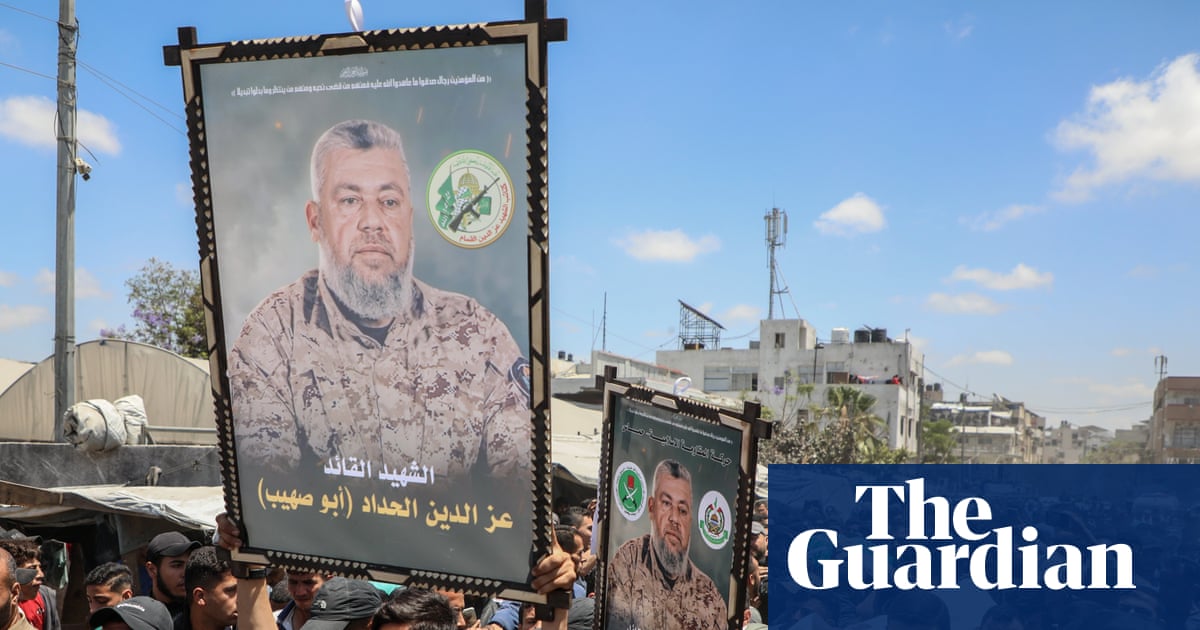
The killing of Izz al-Din al-Haddad, identified as the Hamas military chief, in Gaza further complicates the situation. While Israel frames this as a necessary act of self-defense, it risks escalating tensions and undermining efforts to achieve a peaceful resolution. The cycle of violence and retaliation only perpetuates the conflict and inflicts further suffering on innocent civilians.