Israel's 'Buffer Zone' in Lebanon Threatens Mass Displacement and War Crimes
Plans to occupy southern Lebanon and destroy homes near the border raise alarms about forced displacement of hundreds of thousands of civilians, echoing concerns from Gaza.
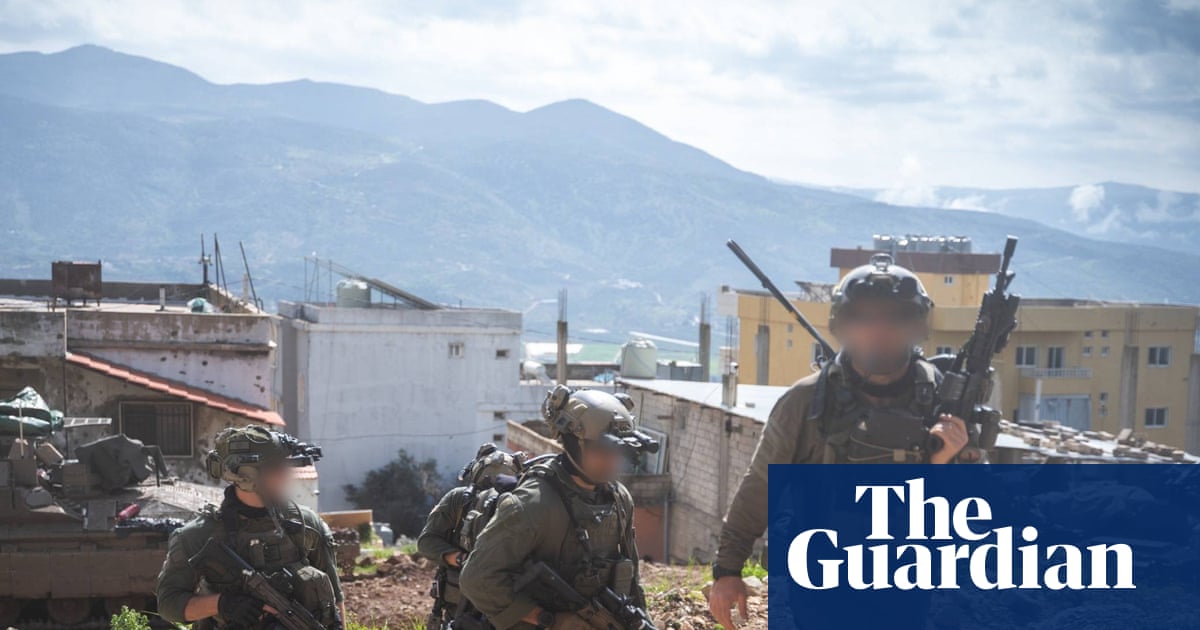
Beirut - Israel's announcement of plans to occupy a large portion of southern Lebanon to establish a so-called buffer zone is raising serious concerns about forced displacement and potential war crimes, as the region faces a deepening humanitarian crisis. The proposed occupation, which Defense Minister Israel Katz says will extend to the Litani River, approximately 19 miles from the Israeli-Lebanese border, threatens to uproot an estimated 600,000 residents.
Katz's statements indicate that the IDF intends to eliminate Hezbollah's Radwan forces and destroy weapons, while also razing homes near villages—a policy he explicitly likened to the destruction witnessed in Rafah and Beit Hanoun in Gaza. This comparison is particularly alarming, given the extensive damage and civilian casualties resulting from Israel's operations in those areas.
Human Rights Watch has previously warned that Katz's statements concerning the destruction of property could amount to forced displacement and wanton destruction, both of which constitute war crimes under international law. The international community must hold Israel accountable for its actions and ensure the protection of civilian populations.
The Israeli military initiated its campaign in Lebanon following Hezbollah's rocket attacks on Israel on March 2, reportedly in response to the death of Iranian Supreme Leader Ayatollah Ali Khamenei. While Israel claims its goal is to push Hezbollah away from the border to prevent rocket fire into northern Israeli communities, the scale of the planned buffer zone and the stated intention to destroy homes raise serious questions about proportionality and the targeting of civilians.
Prime Minister Benjamin Netanyahu's announcement of plans to expand the buffer zone within Lebanon, without specifying the extent of the expansion, adds to the uncertainty and fear among Lebanese civilians. The potential for long-term occupation and displacement looms large.
Most of Hezbollah's rocket fire into Israel has originated from north of the Litani River, and the group maintains significant weapons caches in the Bekaa Valley. Israeli forces have made rapid advances in southern Lebanon, reaching the town of Bayada, roughly 8 kilometers from the city of Tyre. During the 2024 conflict, Israeli forces did not reach Bayada until near the end of hostilities, suggesting a more aggressive and far-reaching military campaign this time.